What Happens When Water Softener Runs Out Of Salt

Let’s be honest: most of us ignore our water softener until something goes wrong. It’s like that quiet friend in the garage who never complains. You only remember it exists wh...
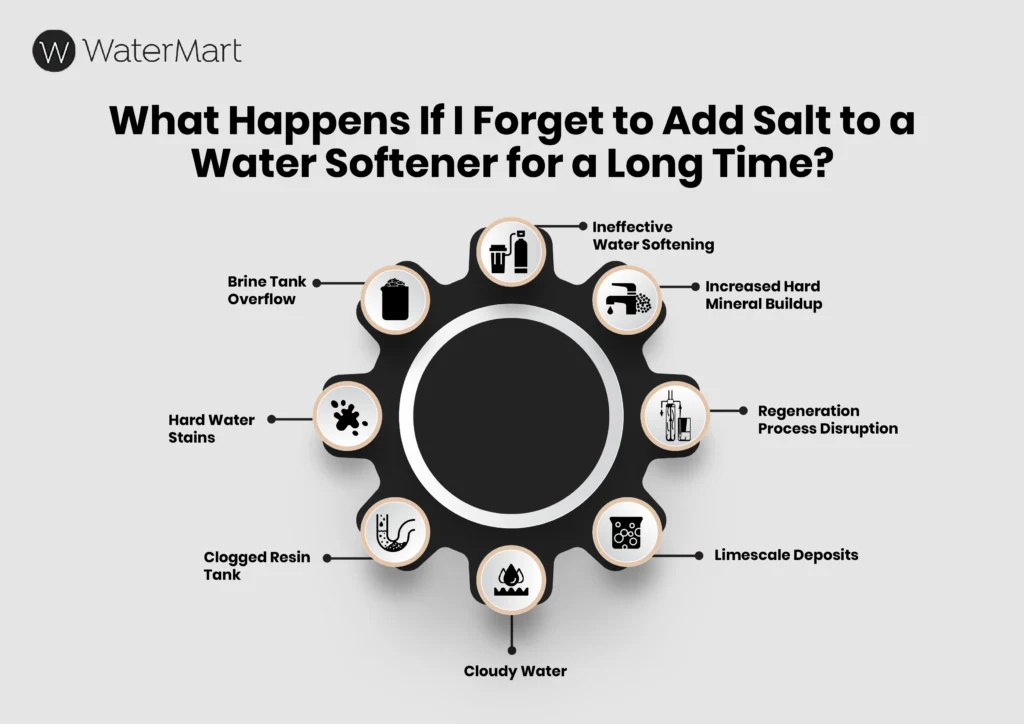
Let’s be honest: most of us ignore our water softener until something goes wrong. It’s like that quiet friend in the garage who never complains. You only remember it exists when the shower feels weird or your dishes start looking like a foggy mess.
So, what actually happens when your water softener runs out of salt? Spoiler alert: it’s not a disaster, but it’s definitely not a party. Let’s break it down with a story you’ll recognize.
Remember that bad hair day from last month?
Picture this: you step out of the shower, and your hair feels like crunchy straw. Your skin feels tight, like you just washed it with tap water from a desert. That’s exactly what happens when your softener runs dry.
Must Read
Without salt, the softener can’t do its one job: swapping hard minerals for soft ones. You’re back to washing with hard water, which leaves soap scum on your body and mineral buildup on your hair.
Suddenly, that silky, squeaky-clean feeling? Gone. Replaced by a sad, scratchy towel situation.
Your coffee maker will hold a grudge
Hard water is like a tiny villain in your appliances. When the softener runs out of salt, that villain gets to work. Your coffee maker starts brewing slower, your dishwasher leaves white spots on glasses (hello, fancy dinner guest embarrassment).
Even your water heater starts working twice as hard, like you asking it to run a marathon in molasses. That mineral buildup can shorten its life by years. And nobody wants to explain to their wallet why they need a new water heater.
Think of salt as the softener’s fuel. No fuel? No magic. The resin beads inside the tank get coated in calcium and magnesium—they basically give up and stop working.
What actually happens inside the tank?
Imagine a sponge that’s supposed to soak up dirt. When it’s full, you rinse it with saltwater to clean it off. That rinse cycle is called regeneration. Without salt, the sponge stays dirty.
So the softener keeps passing hard water through those clogged beads. It’s like trying to clean a muddy floor with a filthy mop. You’re just spreading the problem around.
Eventually, the beads can become permanently damaged if you leave them without salt for weeks. But don’t panic—a few days won’t ruin them. They’re resilient, like a grumpy cat who forgives you eventually.
But everything still looks clean, right?
Here’s the sneaky part: hard water doesn’t look dirty. It looks clear. So you might not notice until your laundry feels stiff, like cardboard sheets. Or your faucets develop a white crust that laughs at scrubbing.
That crust is limescale, and it loves to build up in pipes, showerheads, and toilets. It’s like the uninvited guest who leaves trash everywhere. And the longer you ignore the salt situation, the more limescale throws a party.
Your energy bill might also creep up. Hard water makes your water heater less efficient, so it uses more electricity to heat the same amount of water. Ouch.
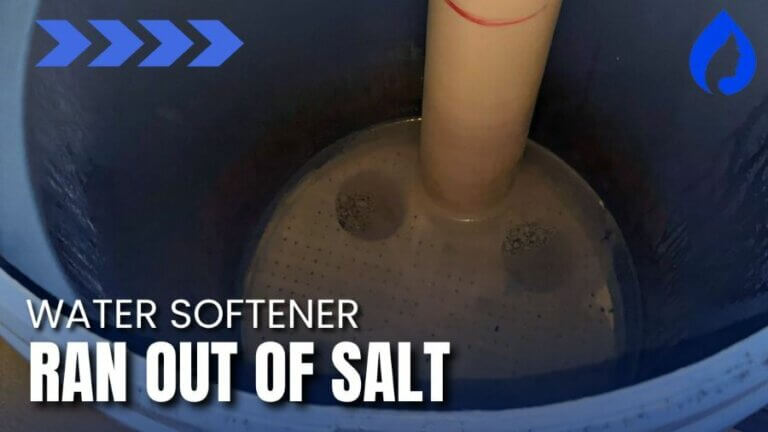 My Water Softener Ran Out Of Salt: 5 Terrible Things That Happen!
How long do you have to fix it?
Here’s the good news: you usually have a grace period of a few days to a week. Your softener stores a little treated water in the brine tank. Once that’s gone, you’re back to hard water.
You’ll know it’s happening when your soap doesn’t lather as much. It’s like trying to make bubbles with dish soap and a greasy pan—annoying and incomplete.
If you catch it early, just add salt and run a manual regeneration cycle. Most units have a button for that. It’s like giving your softener a fresh cup of coffee and a pep talk.
But what if you’re out of town for two weeks?
Real talk: it’s not the end of the world. Your pipes won’t explode. Your skin will just feel less fabulous. When you get back, throw in some salt, run a couple of regeneration cycles, and you’ll be back to soft water bliss within 24 hours.
The biggest risk? If you live in an area with very hard water, the mineral buildup can be stubborn. But a little vinegar soak on faucets or a descaling solution in the coffee maker can fix most cosmetic issues.
Your softener wants to work for you. It’s not holding a grudge. It just needs its salty snack.
Why should you care (in a fun way)?
Because nobody wants to spend money on fancy shampoo that turns into a sad lather. Or explain to dinner guests why their wine glass looks like a frosted window. Keeping salt in your softener is like keeping gas in your car—it’s the boring chore that keeps everything smooth.
Plus, imagine the satisfaction of checking the salt level, realizing it’s low, and adding a fresh bag. You become a hero for your appliances and your skin. Your water heater thanks you silently. Your dishes sparkle with gratitude.
And when someone asks, “How’s your water so soft?” You can smile and say, “I never let it run out of salt.” It’s a tiny secret that makes daily life noticeably better.
The bottom line (yes, really)
Running out of salt isn’t a crisis. It’s a gentle reminder to be a responsible appliance parent. Check the brine tank once a month—it takes ten seconds. If the salt looks low, toss a bag in. That’s it.
Your skin, your hair, your pipes, and your sense of domestic peace will all thank you. And you’ll avoid the awkward moment of scrubbing a limescale ring off your toilet while muttering, “I should’ve bought salt.”
So go ahead, give your softener a little love. It’s the quietest, most rewarding friendship you’ll ever have with a box of salt.
