15 Gallon Industrial Plastic Water Storage Barrel

Let’s talk about something you never knew you needed: a 15-gallon industrial plastic water storage barrel. It’s the unsung hero of your garage, the quiet workhorse of your gar...

Let’s talk about something you never knew you needed: a 15-gallon industrial plastic water storage barrel. It’s the unsung hero of your garage, the quiet workhorse of your garden, and surprisingly, a bit of a design statement. Sure, it’s not a mid-century credenza, but this humble cylinder has a serious cult following among preppers, gardeners, and weekend DIYers. And once you get to know it, you’ll understand why.
First, let’s address the elephant in the room: industrial. That word might conjure images of grimy factories or emergency bunkers, but in this case, it means durable. Made from high-density polyethylene (HDPE), this barrel is tough enough to withstand UV rays, freezing temperatures, and the occasional clumsy drop from a workbench. It’s the same plastic used in milk jugs—just with a serious gym membership.
Why 15 Gallons? The Goldilocks Zone
Why not five gallons? That’s a bucket—useful, but limited. Why not 55 gallons? That’s a monster you need a dolly to move. 15 gallons is the sweet spot: small enough to carry when full (yes, at 125 pounds, it’s a workout), yet big enough to make a difference. Think of it as the Stanley of water storage—classic, reliable, and just the right size for a weekend project.
Must Read
It holds enough water to keep a small vegetable garden alive for three dry days. Or to supply a household for 24 hours in a pinch. Fun fact: the average American uses 80-100 gallons of water daily. This barrel won’t save the world, but it will save your tomatoes during a heatwave.
Practical Tip #1: The Spigot Upgrade
Most barrels come with a bung cap or a plain lid. Do not trust that alone. Buy a brass or plastic spigot kit online for under $10. Installation takes five minutes—just drill a hole at the base, screw it in, and suddenly you have a hands-free dispenser. This turns your barrel from a heavy lump into a convenient water station.
Bonus: attach a short hose to the spigot, and you can water your plants without lifting a finger. It’s like having a tiny assistant who never complains.
Cultural Cachet: The Prepper’s Trophy
You’ve seen these barrels on survivalist YouTube channels—stacked in basements like blue plastic pillars of pride. But the 15-gallon size has a quieter, more aesthetic appeal. It’s the barrel that lives by the back door, not hidden in a bunker. In fact, some eco-conscious homeowners paint them with outdoor chalk paint to blend into the garden. They call it stealth water storage—a practical nod to urban homesteading.
And let’s not forget the Office Space reference: “We’re gonna need a bigger barrel”? No. With this one, you have exactly what you need. It’s the Goldilocks barrel in a world of too-big and too-small.
Creative Uses Beyond Water
Don’t limit it to H2O. These barrels are perfect for compost tea brewing—just add worm castings, molasses, and an aerator. In three days, you’ll have liquid gold for your plants. Or use it as a rain barrel if you attach a downspout diverter. One 15-gallon barrel can collect runoff from a 100-square-foot roof section in a single downpour.
And yes, it doubles as a makeshift cooler for parties. Fill with ice, add drinks, and boom—you’re the host with the most. Just don’t tell anyone it’s a water barrel.
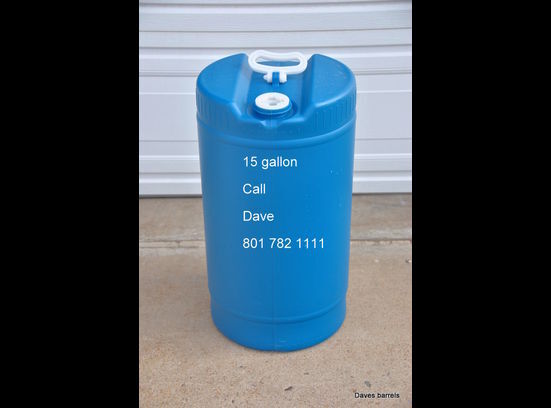 15 gallon plastic water storage barrels / drums fuel , water, food
Practical Tip #2: Cleaning Without Swearing
Over time, algae and sediment will appear—it’s natural. Skip the bleach unless it’s for drinking water (and even then, use a few drops). Instead, empty the barrel, add a cup of white vinegar, swish it with a long-handled brush, and rinse. For stubborn buildup, toss in a handful of uncooked rice and shake violently. The rice acts as an abrasive scrubber. Wild, right?
Store it upside down when empty to prevent mosquito breeding. Those little buzzers love standing water more than you love a lazy Sunday.
The Aesthetics of Utility
Let’s be honest: a blue or white barrel isn’t winning design awards. But in a world of minimalist steel and bamboo, there’s something refreshingly honest about a functional plastic cylinder. It’s a tool, not a decoration. Yet, when placed next to a raised bed or under a downspout, it becomes part of the landscape—a humble guardian of resources. Marie Kondo might not spark joy, but a full barrel of clean water on a hot day? That’s pure satisfaction.
Fun Fact: The Barrel’s Secret Life
These barrels are often repurposed from food-grade shipping containers. That means they once held pickles, olives, or even syrup. Yes, your water barrel might have been a past life of pickles. Always check the label—if it says “HDPE 2” and “food-grade,” you’re good. If it smells like brine, a thorough wash with baking soda works wonders. Imagine your garden drinking the ghost of a pickle—it’s a conversation starter.
In Japan, similar barrels are used for shoyu (soy sauce) storage. So you’re basically keeping a tiny piece of culinary history in your yard. Respect the barrel.
The Bottom Line: Daily Life Upgrade
We live in a world of convenience—tap water 24/7—but emergencies remind us that resilience is a quiet luxury. A 15-gallon industrial plastic barrel isn’t about fear; it’s about freedom. Freedom to water your plants without guilt, freedom to have backup water during a storm, freedom to store rainwater for free.
And here’s the reflection: In a culture obsessed with the new and shiny, sometimes the most grounding object is a simple, sturdy plastic barrel. It holds water, yes, but it also holds potential—for growth, for preparedness, for a small act of independence. So fill it, place it somewhere you’ll see it every day, and remember: you’ve just invited a bit of resilience into your home. Plus, you can tell your friends you have a pickle-barrel legacy. How many things can say that?
