How Often To Add Salt To Water Softener Brine Tank

Okay, let’s be real for a second. Remembering to add salt to your water softener is not exactly the highlight of anyone’s week. It’s right up there with cleaning the lint trap...
Okay, let’s be real for a second. Remembering to add salt to your water softener is not exactly the highlight of anyone’s week. It’s right up there with cleaning the lint trap or finally admitting that “stretch” in your yoga pants is doing a lot of heavy lifting. But if you want that silky, spot-free shower and dishes that don't look like a snow globe exploded, you’ve got to feed the beast. So, let’s tackle the big, slippery question: how often does this whole salt-filling ceremony need to happen?
First, let’s bust a myth: there’s no magic day of the week. There is no “Salt Saturday” on the calendar. The frequency depends on how much water your family guzzles and how hard your water is in the first place. A household of two will go through salt way slower than a house with four teenagers who take forty-minute showers.
The Golden Rule: Don’t Let It Run Dry
Think of your brine tank like a hungry bear. You don’t want to wait until it’s growling (i.e., beeping with an error code) to feed it. The absolute worst thing you can do is let the salt level drop below the water line.
Must Read
If the water sits on top of an empty salt pile, it can create a “salt bridge” (a crusty, nasty lid). This bridge stops new salt from dissolving, and suddenly your water gets hard again. You’ll be foaming at the mouth—literally, your soap won’t lather. Check your tank every four to six weeks as a good baseline. Set a phone reminder called “Feed the Salt Monster.” You’re welcome.
How Full Should It Be?
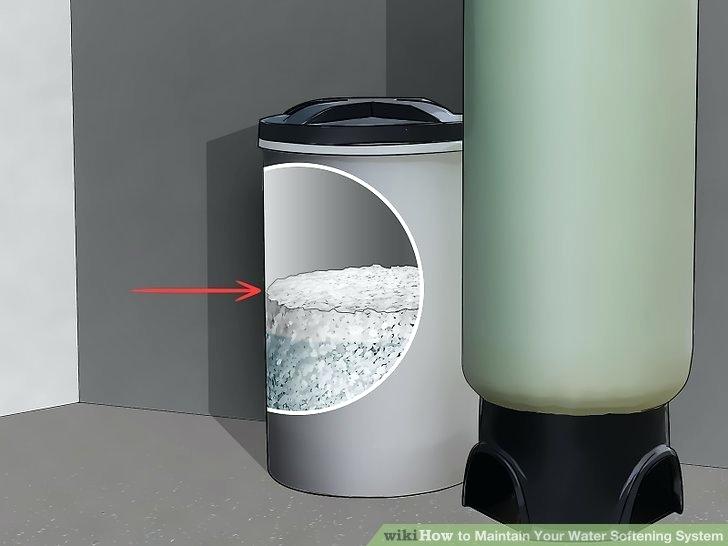
Here’s the sweet spot: keep the salt level halfway to three-quarters full. Don’t fill it to the absolute brim like you’re packing a suitcase for a trip. Leave about six inches of empty space at the top. Why? Because the salt needs room to dissolve and the water needs space to do its salty dance.
If you overstuff it, the salt can clump together into one giant, salty brick. And a brick is not a water softener—it’s a doorstop. Trust me, your softener does not want to be a doorstop.
Watch for the Signs
You don’t need a PhD in plumbing to know when it’s time. Your house will literally tell you. Start noticing if your shower feels like you’re rinsing with chalk. If your hair feels “sticky” or your skin gets that annoying tight feeling after washing, that’s hard water screaming for help.
Another big clue: your dishwasher. If your glasses come out looking like they’ve been in a foggy fight with a milk jug, your salt tank is probably running low. Listen to the plates, my friend. They are whispering, “More salt, please.”
The “Brine Tank Peek” Method
You don’t have to dive into the tank like you’re hunting for treasure. Just open the lid and look. If you see mostly water and only a few sad salt crystals floating around, it’s time to buy a bag. If the salt look dry and fluffy (like a little salt snowbank), you’re in good shape for another month.
Pro tip: Use a flashlight. Brine tanks are darker than a teenager’s bedroom at 2 PM. Peering in with a flashlight helps you spot that hidden salt crust before it becomes a crisis.
What About “Salt Pellets” vs. “Salt Blocks”?
This is where things get fun—or confusing. Pellets dissolve faster, so you’ll need to refill more often. Salt blocks are like the slow-and-steady tortoise; they last longer but can leave gross sludge at the bottom. Most people stick with pellets because they’re easier to handle and less messy.
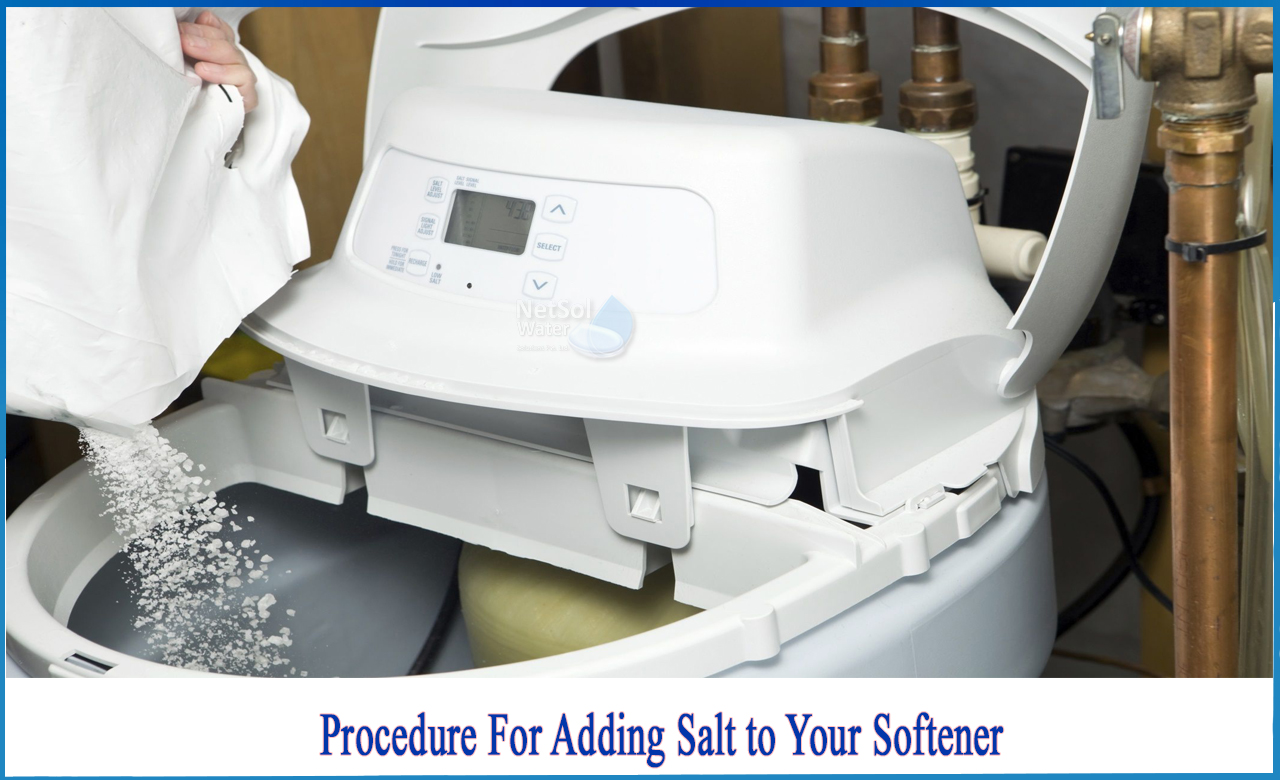 How to add salt to the water softener
And hey, don’t buy “rock salt” from the hardware store meant for melting ice! That stuff is like feeding your softener muddy gravel. It’ll clog everything. Get pure, clean water softener salt—your tank is a diva, not a dumpster.
Seasonal Surprises
Your salt frequency might change with the seasons. In winter, you might use slightly more water for hot baths. In summer, you might use less. Also, if you have a water conditioner that regenerates based on usage, the softener will eat salt faster during busy months (like the holidays, when everyone is washing dishes and doing laundry).
So, check more often in December. Your grandmother’s gravy dishes will thank you. Nobody wants a cloudy gravy boat, right?
The Final Countdown: How Often, Really?
Okay, here’s the simple answer you can write on a sticky note: Check every four weeks. Add salt if it’s below half-full. That’s it. You don’t need to bust out a calculator or chart your water usage like a scientist.
If you do that, you’ll likely only need to add a 40-pound bag every two to three months for a typical family of four. For a couple or a single person? Maybe every four to six months. But checking is free, and being out of salt is expensive (in ruined appliances and bad hair days).
One Last Joke (Because Why Not)
You know you’ve waited too long to add salt when your water softener starts crying salty tears of disappointment. I’m joking—it can’t cry. But your water heater might weep from all the calcium buildup. So, be a hero. Grab a bag of salt, pour it in, and pat your tank like a loyal pet. “Good job, buddy.”
So, to wrap this up in a pretty, salty bow: Don’t overthink it. Check your tank when you pay your bills or when you buy groceries. If you see it’s low, add a bag. Your water will stay soft, your skin will stay happy, and you’ll save yourself from ever having to explain to a houseguest why their glass of water looks like they’re drinking straight from a mineral spring. You’ve got this.
And remember: You are not just adding salt. You are adding softness, sparkle, and sanity to your life. Plus, you get the satisfaction of knowing that while your neighbor struggles with dish spots and stiff laundry, you are living in a world of silky-smooth serenity. Now go forth, feed the tank, and enjoy your gloriously soft water! Cheers to you, you salty genius.
