Difference Between Spring Water And Distilled Water

You’re standing in the water aisle, facing a wall of plastic bottles that all look vaguely the same. Spring water, distilled water—it’s enough to make you grab whatever’s chea...
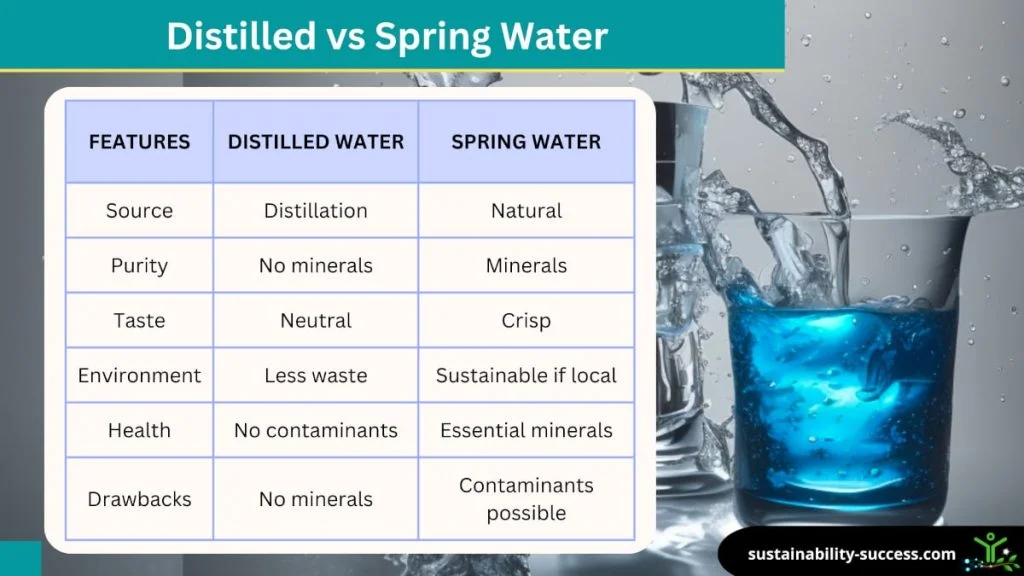
You’re standing in the water aisle, facing a wall of plastic bottles that all look vaguely the same. Spring water, distilled water—it’s enough to make you grab whatever’s cheapest and dash. But hold up: these two liquids are practically cousins who live on different planets.
Spring water has personality. It comes from underground aquifers, bubbling up with natural minerals like calcium, magnesium, and potassium. Distilled water, on the other hand, is the minimalist monk of hydration—just H₂O, stripped of everything else.
What’s in the Bottle?
Think of spring water as nature’s sparkling conversation at a dinner party. It brings subtle flavors and a mineral profile that changes depending on where it’s sourced—think Evian from the French Alps or a local spring in Vermont. You’ll taste the terroir, just like with wine.
Must Read
Distilled water is the quiet guest who says nothing. It’s made by boiling water into steam, then condensing it back into liquid, leaving behind all minerals, bacteria, and even pollutants. It’s pure, almost to a fault—some say it tastes flat or lifeless.
Fun Fact Alert
Did you know that distilled water is what astronauts drink in space? Because it has no minerals, it won’t clog the International Space Station’s intricate plumbing. Meanwhile, spring water is the star of Swedish spa culture, where locals believe its natural minerals aid digestion and skin health.
Health and Hydration: Who Wins?
For daily drinking, spring water is your best friend. Those trace minerals—like magnesium for muscle function and calcium for bones—are tiny but mighty. Your body actually absorbs them better from water than from supplements.
Distilled water is not your go-to for everyday gulps. Without minerals, it can actually leach electrolytes from your body over time, leaving you feeling sluggish. It’s like drinking a blank canvas—nothing wrong, but nothing exciting either.
Practical Tip: Use spring water for your morning coffee or tea. The minerals enhance flavor extraction, making your brew taste smoother and richer. Distilled water? Save it for your steam iron or car battery—it leaves zero scale buildup.
Cultural Connections
In Japan, people hunt for meisui—or “famous water” springs—believing each has unique healing properties. It’s a whole pilgrimage culture around spring water. Meanwhile, distilled water is the unsung hero of craft cocktail bars, where bartenders use it to make crystal-clear ice that melts slowly without altering the drink’s taste.
When to Reach for Which
Spring water is your everyday hydration hero. Grab it for your office desk, your gym bottle, or a picnic in the park. It’s also perfect for making baby formula, since the minerals are safe and beneficial for little kidneys.
Distilled water shines in specific situations. Use it for medical devices like CPAP machines (no mineral dust to inhale), for tropical fish tanks (fish are sensitive to chlorine and metals), or for ironing your favorite silk blouse. It’s the specialist—not the generalist.
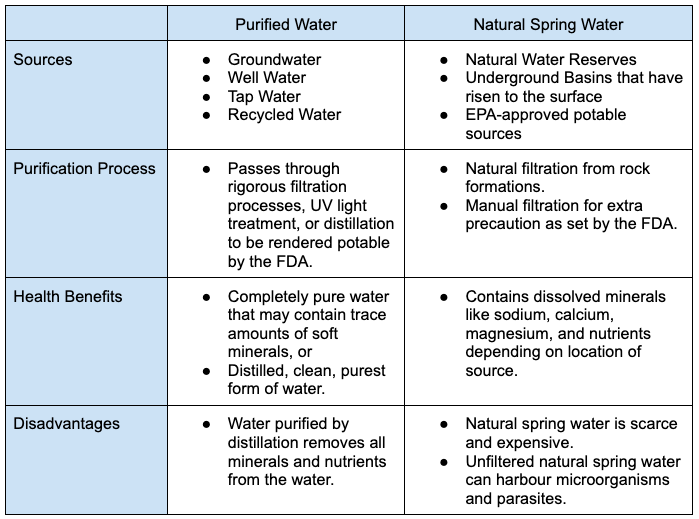 Is Distilled Or Spring Water Better For Plants at Phillip Pusey blog
Fun fact: In the 18th century, sailors drank distilled seawater out of survival. But they quickly learned they needed to eat lots of citrus to avoid scurvy, because distilled water has zero vitamin C.
The Taste Test
Do a blind taste test at home. Ask a friend to pour spring water and distilled water into identical cups. Spring water often has a slight minerally finish, like a soft crunch in liquid form. Distilled water tastes like nothing—which can be jarringly clean.
Most people prefer spring water for sipping. But if you’re on a super-strict detox or medical fast, some wellness gurus recommend distilled water for a few days to “reset” your system. Just don’t make it a habit.
A Quick Environmental Check
Both come with plastic baggage. Spring water is often bottled at the source, which means heavy transport and carbon footprint. Distilled water typically requires energy-intensive boiling, so it’s not exactly green either.
Smart swap: Invest in a home water distiller if you need distilled water often. For spring water, look for local brands in glass bottles or even a reusable filter pitcher that adds minerals back. Your wallet and the planet will thank you.
Popular culture tip: In the movie Elixir, the protagonist chases a mythical spring water that grants immortality. Distilled water never got that kind of literary love—it’s just too sensible.
Final Sip of Reflection
Here’s the thing: Most of us are overcomplicating hydration. You don’t need a degree in hydrogeology to choose. For everyday joy, go with spring water—it’s like a friendly wave from nature, with a little mineral wink.
Distilled water is your reliable, no-drama assistant. It does its job quietly, without making demands. Neither is “better”—they’re just built for different chapters of your day.
Reflection for daily life: Maybe we all need a little spring water energy—minerals, character, a sense of place—and a little distilled water discipline—pure, focused, uncluttered. Hydration, like living, is about balance. So pour yourself a glass of whatever fits your moment, and drink up. The conversation with yourself is what really matters.
