Spindrift Sparkling Water Pfas Contamination Levels

Okay, let’s talk about something that sounds like a scientific buzzkill but is actually a secret superhero story in disguise: PFAS contamination in your sparkling water. Speci...

Okay, let’s talk about something that sounds like a scientific buzzkill but is actually a secret superhero story in disguise: PFAS contamination in your sparkling water. Specifically, we’re looking at Spindrift—the bubbly stuff with real fruit juice that makes you feel like you’re sipping a summer afternoon.
First, a quick reality check: yes, some tests have found trace levels of PFAS (those “forever chemicals”) in Spindrift. Gasp! But hold your lime wedge—this isn’t a horror movie. It’s a chance to talk about why transparency is actually awesome and how you can keep fizzing with joy.
Wait, PFAS in my fizzy? Let’s break it down.
PFAS are a group of man-made chemicals used to make non-stick pans and rain jackets—not exactly ingredients you’d want in your drink. And yes, they’ve been found in some groundwater that supplies brands like Spindrift. But here’s the good news: we’re talking about parts per trillion, not parts per million. That’s like finding a single grain of sand on a whole beach.
Must Read
Spindrift, to their credit, has been absolutely upfront about it. They didn’t hide behind jargon or “proprietary formulas.” They posted their test results online. How refreshing is that? (Pun intended.)
Why this makes life more fun (yes, really).
Think about it: knowing about PFAS levels means you get to be a smart, empowered consumer—not a worried one. You can now wave your can of Grapefruit Spindrift like a magic wand of awareness. “Check out these trace levels,” you’ll say to your friends at the picnic. “Aren’t numbers fascinating?” And they’ll be impressed, because you’re turning a dry topic into a party fact.
This is the kind of information that makes your brain tingle with curiosity. Instead of feeling stuck, you get to ask fun questions: “How do they test for this?” “Is sparkling water still winning against soda?” (Spoiler: yes, by a mile.)
The real kicker: perspective is everything.
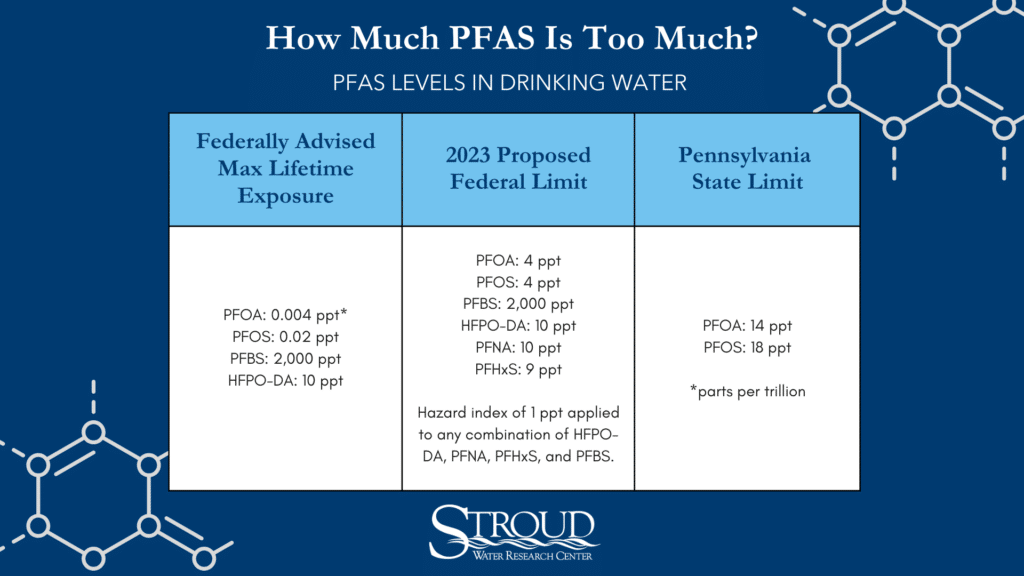
Let’s put Spindrift’s numbers in context. The Environmental Protection Agency (EPA) has proposed health advisories for certain PFAS at 4 parts per trillion. Some Spindrift samples clocked in slightly above that—like 4 to 8 parts per trillion. That’s tiny. To give you scale, one part per trillion is one second in 32,000 years. So while it’s good to know, it’s not a reason to swear off bubbles forever.
And here’s the uplifting twist: because we’re talking about Spindrift, we’re talking about a company that uses real fruit and no added sugar. That’s already WAY healthier than a can of soda, which has zero fruit and a tonne of artificial stuff. So you’re winning before you even factor in PFAS.
 PFAS Explained
How to make this topic your new favorite hobby
Turn PFAS awareness into a game! Challenge yourself to learn three new facts about water filtration. Buy a simple countertop filter that reduces PFAS (they’re getting cheaper and cuter). Or just keep drinking Spindrift—because one or two cans a week is like worrying about a single raindrop in a monsoon. You’re fine.
Heck, you can even make a party out of it: invite friends over, pour fancy sparkling water into chilled glasses, and announce, “Tonight, we celebrate informed hydration!” Everyone will laugh, and then they’ll ask you to explain PFAS, and you’ll sound like a brilliant scientist with style.
The uplifting finale (promise it’s good)
Here’s the beautiful truth: we live in an age where we can know these things. We can test, discuss, and improve. That’s not scary—it’s exhilarating. Every sip of Spindrift becomes a small lesson in progress, a nod to transparency, and a toast to the fact that you care about what goes into your body.
So go ahead, pop that can. Let the bubbles dance on your tongue. And remember: knowledge is the best sparkle. You’re not just drinking water; you’re drinking a story of awareness, choice, and a little bit of sass. Cheers to that!
Now, go learn one more thing about PFAS—maybe how they’re used in waterproof jackets. It’ll make you the most interesting person at the next brunch. You’ve got this.
