What's The Difference Between Seltzer And Club Soda

You’re standing in the beverage aisle, hand hovering between a sleek can of seltzer and a familiar bottle of club soda. They both fizz, they both look refreshing, and honestly...
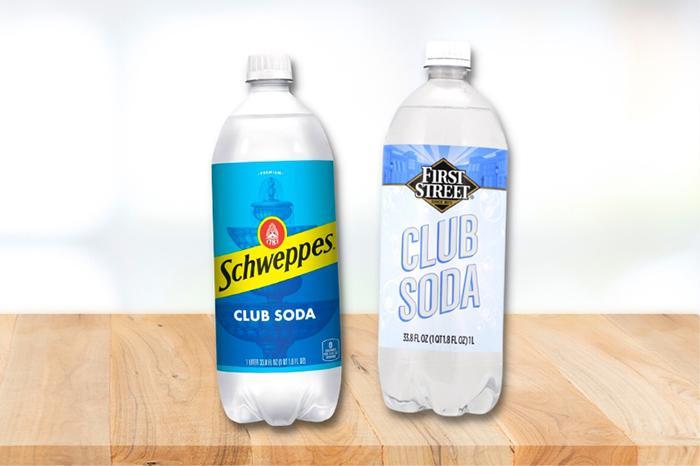
You’re standing in the beverage aisle, hand hovering between a sleek can of seltzer and a familiar bottle of club soda. They both fizz, they both look refreshing, and honestly, you’ve probably used them interchangeably for years. But here’s the truth: these two bubbly staples are not the same drink, and understanding the difference is a small but satisfying upgrade to your daily hydration game.
Let’s start with the basics, because the science is actually pretty charming. Seltzer is simply carbonated water—plain H₂O with carbon dioxide gas forced into it under pressure. That’s it. No minerals, no additives, just pure, unapologetic fizz. Think of it as the minimalist friend who shows up to the party with only themselves.
Club soda, on the other hand, is carbonated water that has had mineral salts added to it. Ingredients like potassium bicarbonate, sodium bicarbonate, or sodium citrate are introduced to mimic the taste of natural spring water. This gives club soda a slightly smoother, more pronounced mouthfeel and a subtle, almost salty tang.
Must Read
So why does this matter to your taste buds? If you take a sip of each side-by-side, you’ll notice seltzer can taste a bit sharper, almost acidic, because the carbonation is the only flavor player. Club soda’s mineral content softens the edges, creating a rounder, more balanced bubble that feels less aggressive on the tongue.
The Cultural Context: What Your Drink Says About You
Ordering a seltzer at a bar versus a club soda used to be a dead giveaway of your vibe. A seltzer signals a clean, minimalist approach—maybe you’re the person who drinks LaCroix while reading a newsletter on your phone in a park. Club soda whispers “classic cocktail culture,” the kind of person who knows that a proper Tom Collins demands the mineral-rich fizz.
But times have changed. In the 2010s, seltzer exploded as a cultural icon, thanks to brands like LaCroix, Spindrift, and the entire “sparkling water is my personality” movement on social media. Club soda, meanwhile, remained the quiet workhorse of home bars and restaurants, never seeking the spotlight.
There’s also a fun historical twist. The term “seltzer” actually comes from Niederselters, a German town known for its natural sparkling springs. Early Americans loved it so much that they started making their own carbonated version, and the name stuck. Club soda’s roots are more entrepreneurial—it was invented in the 19th century to give taverns a consistent, mineral-tasting bubbly water without needing a natural spring.
Practical Tips for Your Kitchen and Cocktails
Now, let’s get into the fun part: how to use them in real life. For cocktails where carbonation is the star—like a gin and tonic or a spritz—club soda is your best friend. Its minerals enhance the bitterness of tonic and the botanicals in gin, creating a more cohesive drink. Seltzer, being neutral, is better for highballs where you want the whiskey or vodka to shine without extra flavors.
When it comes to mocktails, seltzer is the chameleon. Mix it with fresh lime juice and a dash of simple syrup for a crisp limeade, or combine it with muddled berries and mint. Club soda, with its slight salinity, works wonders in savory drinks like a Virgin Bloody Mary, where the saltiness complements the tomato juice and spices.
Here’s a practical cheat: if a recipe calls for club soda and you only have seltzer, add a tiny pinch of sea salt and a pinch of baking soda to your glass before adding the seltzer. Stir gently, and you’ve essentially created club soda in seconds. This is a life hack for hosting when your guests are unexpectedly fancy.
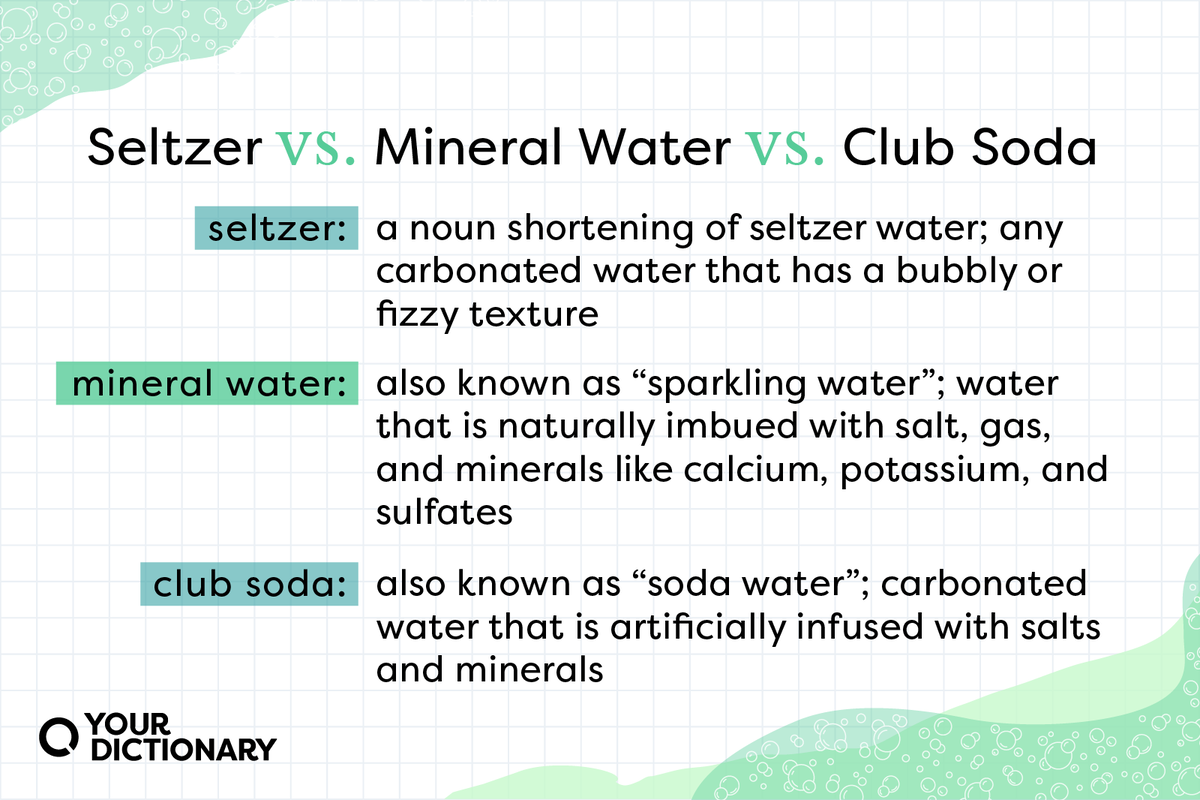 Difference Between Club Soda And Seltzer Water at Michael Carandini blog
One more insider note: tonic water is a completely different beast—it contains quinine and sugar, making it sweet and bitter. Never swap tonic for seltzer or club soda unless you want a very sad, sad drink. Keep that knowledge in your back pocket for your next cocktail party.
Fun Facts to Impress Your Friends
Did you know that club soda was originally marketed as a health tonic? In the 1800s, people believed the added minerals could cure everything from indigestion to “nervous disorders.” We now know it’s just fancy water, but the placebo effect is real, right?
Seltzer has a surprising role in Hollywood. In the movie The Apartment (1960), Jack Lemmon’s character uses a seltzer bottle as a prop for comedic effect—the classic “spritzer in the face” gag. Meanwhile, club soda is the unsung hero of bar scenes in James Bond films, where it’s often used to make the perfect vodka soda for 007.
And here’s a sustainability angle: seltzer and club soda generally have the same environmental footprint—both come in cans, bottles, or home carbonators. But if you’re trying to reduce plastic waste, investing in a SodaStream or similar carbonator lets you make either style at home. You can even add mineral drops to create your own custom club soda.
A Daily Life Reflection
The difference between seltzer and club soda is a small, quiet lesson in how we navigate choices. Often, we think two things are identical until we stop and pay attention to the details—the texture, the history, the subtle flavor. In a world obsessed with speed, taking a moment to notice the minerals in your bubbles is a tiny act of mindfulness.
So next time you pour yourself a glass, ask: Do I want the sharp, pure clarity of seltzer, or the smooth, rounded embrace of club soda? Neither is better; they’re just different tools for different moments. Maybe that’s the real takeaway—not just for your drink, but for how you approach the little things in your day. Sometimes, the finest pleasures come from the tiniest distinctions.
Now go forth, hydrate, and impress someone with your bubbly knowledge. Cheers to the fizz that fits your life.
