Is Purified Water And Distilled Water The Same Thing

So, picture this: I’m at a friend’s dinner party, feeling very sophisticated. I grab a sleek glass bottle from the fridge, filled with something labeled “Alpine Pure Spring Wa...
So, picture this: I’m at a friend’s dinner party, feeling very sophisticated. I grab a sleek glass bottle from the fridge, filled with something labeled “Alpine Pure Spring Water.”
I take a big, refreshing gulp, only to have my buddy yell, “Whoa, that’s the distilled water I use for my iron!”
Yeah. Suddenly, that “crisp, clean taste” felt a lot like appliance maintenance.
That awkward moment got me thinking: is purified water and distilled water the same thing?
Or did I just accidentally drink the equivalent of a melted ice cube from a science lab?
Let’s dive in—because honestly, it’s more confusing than it sounds (and no, your iron won’t judge you).
The Short Answer? Not Exactly (But It’s Complicated)
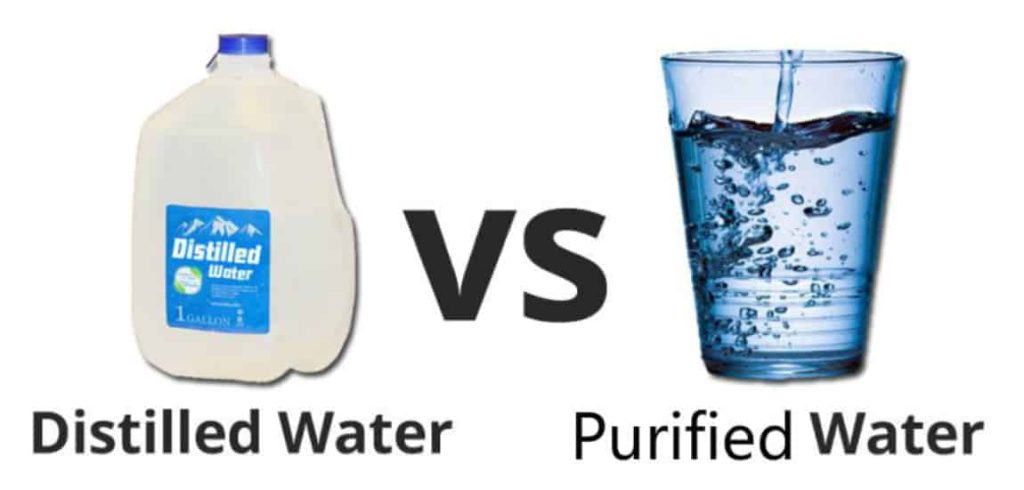
Think of purified water as the big, trendy umbrella term.
All distilled water is purified, but not all purified water is distilled.
Mind-blowing, right? It’s like saying all squares are rectangles, but not all rectangles are squares.
Must Read
Distilled water is a specific, dramatic process. You boil water into steam, then capture that steam as it cools back into liquid.
It’s basically the water’s version of leaving all its baggage—minerals, bacteria, you name it—behind in the pot.
If water were a superhero, distillation would be its “escape from a toxic relationship” origin story.
On the flip side, purified water can come from a bunch of different methods.
It includes reverse osmosis, deionization, carbon filtration, and yes, distillation itself.
So when you grab a bottle labeled “purified,” you’re playing a guessing game about how it got that way.
What’s Actually in That Bottle? (Spoiler: Less Than You Think)
Let’s talk about what they both remove—because that’s the whole point.
Distilled water is famously empty. It has virtually no minerals, no impurities, and almost no memory of its former life as tap water.
Some people say it tastes “flat,” which is a fancy way of saying it’s the water equivalent of white noise.
Purified water, depending on the method, might still cling to a few minerals.
Reverse osmosis, for instance, kicks out most stuff but sometimes lets tiny bits of calcium or magnesium stay for the ride.
That’s why your “purified” water might still have a hint of flavor—unlike distilled, which tastes like a philosophical concept.
Here’s where it gets ironic: neither one is inherently “healthier” than regular tap water for most people.
Your body actually needs those minerals you’re paying extra to remove.
But hey, if you love the idea of drinking water that’s been through a scientific exorcism, you do you.
So, Which One Should You Drink?
If you’re asking for drinking purposes, purified water is usually your best bet.
It strikes a balance between clean and not-completely-stripped-of-everything.
Plus, it won’t make your coffee taste like you brewed it in a chemistry beaker.
 What's the Difference: Purified Water Vs Distilled Water? | H2GO Water
Distilled water is more of a specialist. It’s amazing for your iron, your car’s battery, and your aquarium—all things that hate mineral buildup.
Drinking it long-term, though? That might mess with your electrolyte levels if you’re not careful.
Ironic side note: the same stuff that keeps your appliances alive can make you feel a bit… dead.
And before you ask—yes, I chugged my friend’s distilled water for the rest of that party.
I like to live dangerously (and with a very clean iron).
But now I always check the label first, because nobody wants to be the person who drinks appliance water on purpose.
Don’t Overthink It (But Do Read the Fine Print)
Next time you’re staring at a shelf full of plastic bottles, just look for the specifics.
If it says “distilled,” you know exactly what you’re getting: pure H2O with a side of sadness.
If it says “purified,” it’s a wild card—but a safe one.
Honestly, for everyday drinking, spring water might be a more satisfying choice.
It comes with all the natural minerals that make water taste like, well, water.
But if you’re a control freak who wants to know exactly what’s in your glass, stick with purified or distilled.
One last thing: don’t let marketing fool you. “Pure” is just a word.
Both types are technically pure, but one is purer than the other, and that might actually be worse for you.
Irony at its finest, right?
The Bottom Line (Because We All Skip to the End)
To put it simply: distilled is a fancy kid of purified water, but not the only kid in class.
Use distilled for your coffee maker and your car; use purified for your glass.
And if a friend ever hands you a bottle without a label, just ask, “Is this from your steam iron or your Brita?”
I’ll leave you with this: I now keep a bottle of distilled water under my sink—for emergencies and cocktail ice that won’t cloud up.
Yes, it’s overkill. Yes, I love it.
But at least now you’ll never accidentally drink the iron water at a party. You’re welcome.
