What Happens If I Stop Putting Salt In Water Softener

So, my friend Karen called me last week in a full-blown panic. She said her dishwasher was leaving cloudy spots on her glasses, and her skin felt like sandpaper after every sh...
So, my friend Karen called me last week in a full-blown panic. She said her dishwasher was leaving cloudy spots on her glasses, and her skin felt like sandpaper after every shower. “I think my water softener is broken,” she wailed. I asked the obvious question: “When’s the last time you checked the salt?” There was a long, guilty silence. She had totally forgotten to refill it. Three months ago.
That’s when it hit her—and maybe it’s hitting you right now. You’re staring at that big plastic bin, wondering, “What happens if I just… stop?” Honestly? It’s not an immediate disaster like a flooded basement, but it’s a slow, sneaky kind of chaos. Let’s break down the gritty truth about neglecting your salt—because ignorance is not bliss when it comes to hard water.
The Science Snapshot (Short & Sweet)
Your water softener works like a magnet for minerals—specifically calcium and magnesium. Those are the little jerks that cause scale buildup and dry skin. The salt doesn’t soften the water itself; it recharges the resin beads inside the tank that actually trap the hardness. No salt? Those resin beads get exhausted.
Must Read
Once they’re full, they stop grabbing new minerals. So your water gradually goes back to being straight-up hard, like straight from the well or municipal supply. It’s not toxic—your pipes won’t explode—but your home and body will start to feel the difference in about a week.
Your Hair & Skin Will Throw a Tantrum
This is usually the first thing people notice, and it’s dramatic. After a week without salt, your shower gel won’t lather properly. You’ll feel that squeaky, sticky residue on your skin—which is actually soap scum bonding with calcium. Your hair might feel straw-like and tangly, even after using conditioner.
I call it the “squeak test.” If you run your fingers through your wet hair and it makes a squeaking sound, your softener is on strike. Your skin will also get drier, since hard water prevents moisturizers from absorbing. Hello, chalky elbows and itchy legs.
Your Appliances Start Grumbling
That dishwasher Karen mentioned? The cloudy glasses are just the beginning. Your water heater is the unsung victim here. Calcium scale builds up on the heating element like a crusty blanket, making it work harder and shortening its lifespan drastically. A water heater with scale can use 30% more energy—ouch.
Your washing machine will also suffer. Clothes come out looking dingy and feeling stiff, because minerals lock detergent into the fabric. You might even see white flakes on your dark socks. That’s not mold—it’s hard water residue, and it’s a pain to wash out.
Pipes & Fixtures Get Ugly Fast
Within a month of no salt, you’ll spot white, crusty deposits on your faucets, showerheads, and toilet bowls. That’s calcium and magnesium building up. Not only does it look nasty (like a science experiment gone wrong), but it can clog showerheads and reduce water flow over time.
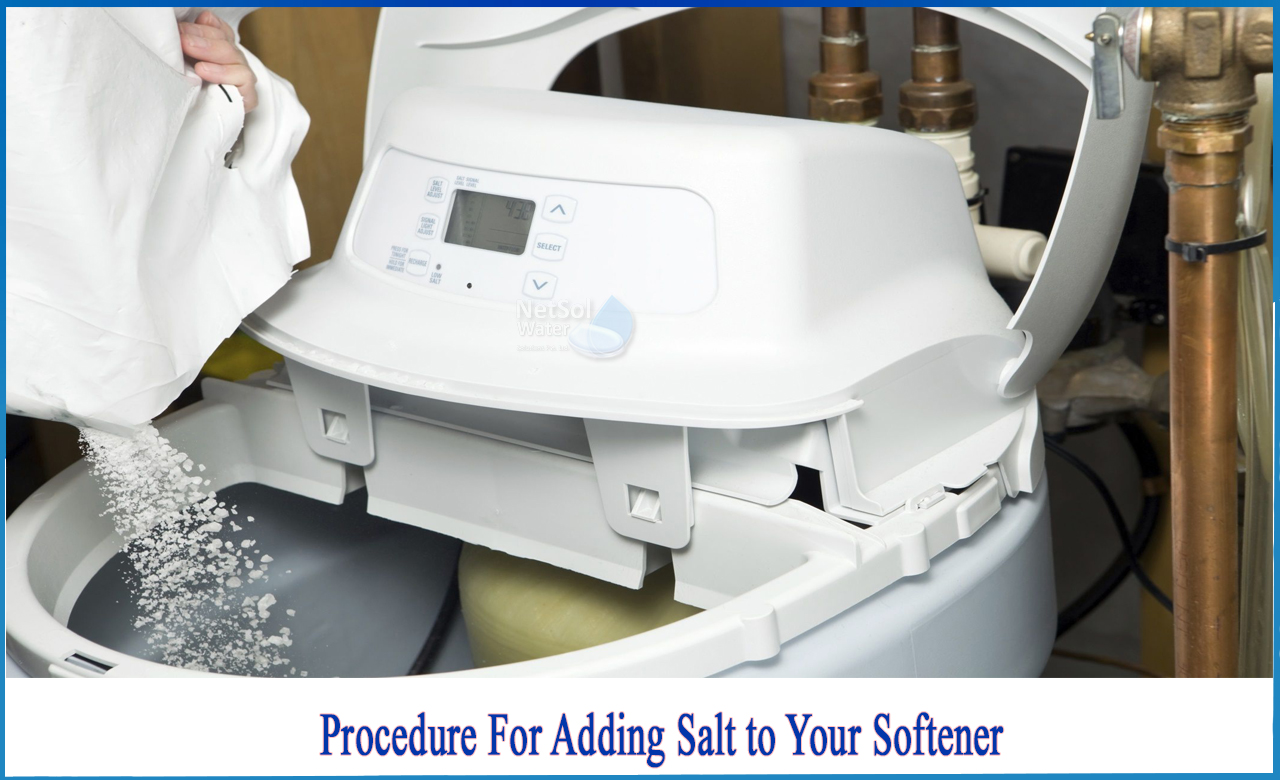 How to add salt to the water softener
Imagine your home’s plumbing slowly turning into a limestone cave. You don’t want that. Cleaning those mineral deposits is annoying, and if you ignore them long enough, you might need to replace fixtures or even sections of pipe. No thanks.
But Wait—Is It Dangerous to Skip Salt?
Here’s the ironic part: no, it’s not dangerous to your health. Hard water is perfectly safe to drink—some people even prefer the taste. The real risk is to your wallet and your patience. You’ll buy more soap, more shampoo, and more cleaning products. Your appliances will die earlier, costing you hundreds in repairs or replacements.
Also, if you have a well system, skipping salt can let iron and manganese slip through, staining your sinks and laundry orange or brown. That’s a whole other headache. So, no—you won’t get sick, but your house will punish you for being lazy.
What Should You Do If You Forgot?
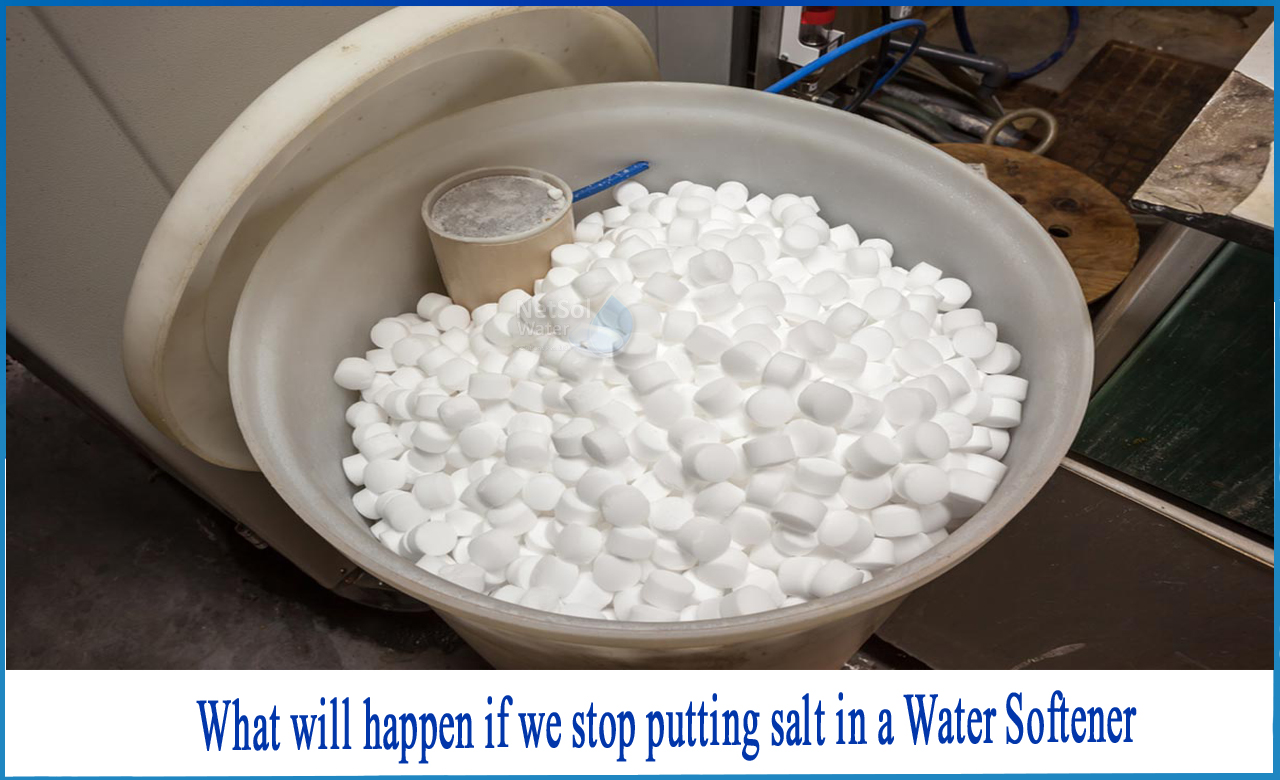
First, don’t panic. Fill the brine tank with fresh salt pellets (not rock salt—use solar or evaporated salt for best results). Give it a day or two to rebuild the brine solution, then run a manual regeneration cycle. Check the user manual—most softeners have a “regenerate now” button.
If you’ve been salt-free for months, you might need to clean the resin tank with a resin cleaner to remove built-up iron or sediment. It’s a simple $15 fix at a hardware store. After that? Back to silky showers and spotless glasses. You’ll feel the difference immediately.
The Bottom Line (No Pun Intended)
Stopping salt in your water softener is like deciding not to feed your goldfish. It’ll swim around for a while, looking fine, but eventually… you get a floating fish. Your water system won’t explode, but it will become annoying, costly, and unpleasant. Your hair, skin, appliances, and pipes all run on salt.
So, go check your brine tank right now. If it’s half empty, fill it up. Your future self—with soft skin and a shiny water heater—will thank you. And tell Karen I said hi, and that she owes me a coffee for saving her from chalky shower depression.
