Home Water Purification Systems Reverse Osmosis Boiling

So, you’re thinking about the water coming out of your tap. Maybe it tastes a little *off*, or you’ve heard scary things about microplastics. Relax, friend. We’re going to tak...
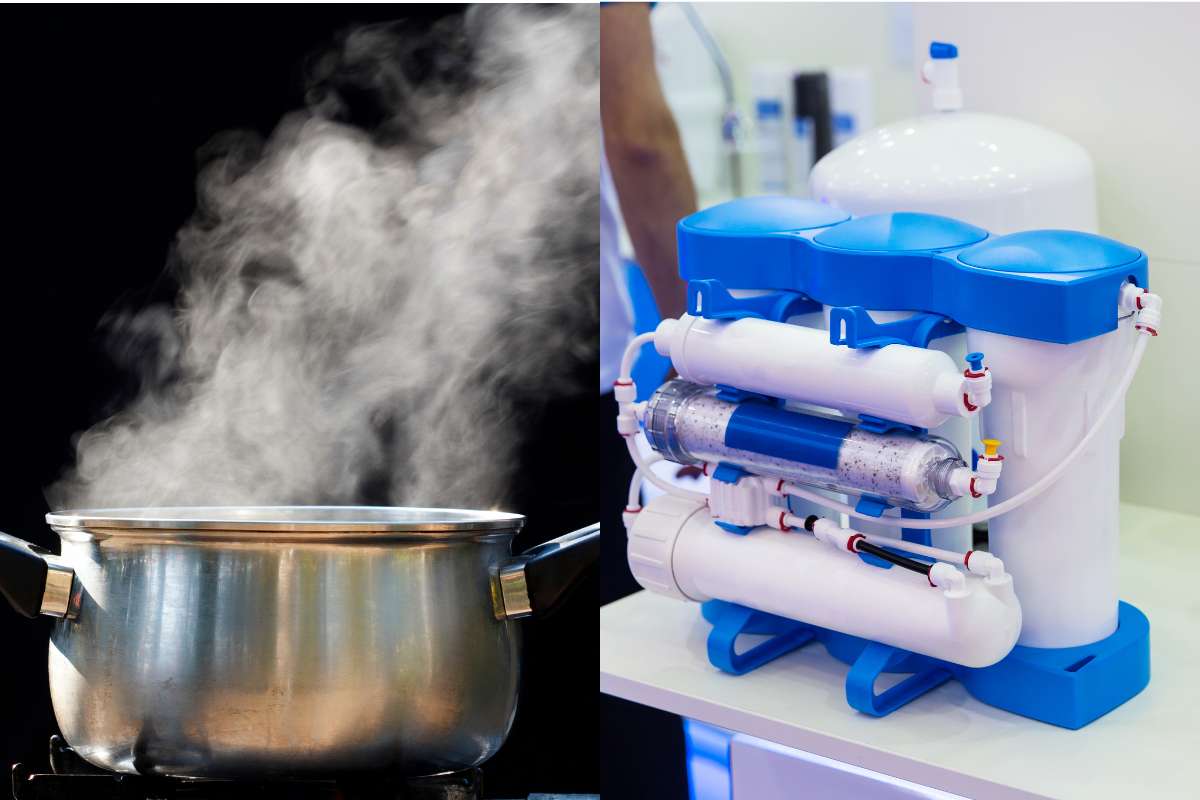
So, you’re thinking about the water coming out of your tap. Maybe it tastes a little off, or you’ve heard scary things about microplastics. Relax, friend. We’re going to take a fun, silly look at three big players in the home water game: Reverse Osmosis, Boiling, and the unsung hero, Filters.
First up: Boiling. It’s the oldest trick in the book—literally, your grandma did it. You fill a pot, crank the heat, and watch the bubbles do a chaotic dance. It’s simple, cheap, and feels very survivalist.
Here’s the magic: boiling murders bacteria, viruses, and parasites. It’s the water equivalent of a medieval exorcism. But—and this is a big, wet but—it leaves behind everything else.
Must Read
Think of boiling as kicking out the party guests who are dangerous, but ignoring the messy trash they left behind. Lead, chlorine, pesticides, and microplastics? They just shrug at your boiling water and stay put. You’re just making sterile, not pure water. Plus, it takes forever to cool down, and your kitchen smells like steam. Yawn.
Enter Reverse Osmosis
Now we’re talking science fiction levels of cool. Reverse Osmosis (or “RO” for the cool kids) uses a semi-permeable membrane. It’s like a bouncer at a club who only lets water molecules through.
Everything else—arsenic, fluoride, salt, heavy metals, even those tiny microplastics—gets kicked to the curb. It’s so thorough it removes 90-99% of contaminants. Your tap water becomes the Beyoncé of H2O: flawless, clear, and a little extra.
The downside? RO systems are a bit of a diva. They waste water (about 3-4 gallons for every 1 they produce), and they’re not cheap. You also need a filter change appointment every six months or so. But if you want water that tastes like nothing (which is actually the goal), RO is your champion.
The Middle Ground: Carafes and Pitchers
Don’t want to install a spaceship under your sink? Grab a pitcher filter. These jugs use activated carbon and a little ion-exchange resin. They’re cheap, cheerful, and perfect for whining about.
They do an amazing job of removing chlorine, bad tastes, and some heavy metals. They won’t handle viruses or fluoride, but for most city water, they’re a total upgrade. It’s like giving your water a spa day instead of a total makeover.
Pro tip: Don’t forget to change the filter. If it’s been six months and it’s black and slimy, you’re basically drinking a science experiment. Don’t be that person.
Boiling vs. RO: The Showdown
Let’s settle this like adults. Boiling is your emergency buddy. Camping? Flood warning? Age of the plague? Boil that water. But for daily drinking? It’s like using a bazooka to kill a mosquito.
 Premium Photo | Front View Of Reverse Osmosis Water Filtration System
Reverse Osmosis is your long-term, high-maintenance partner. It asks for your time, money, and a bit of counter space. In return, it gives you water so pure you’ll weep tears of joy (and then drink them, because it’s pure).
I should mention a third option: Distillation. It’s boiling’s fancy cousin. You boil water, catch the steam, and recondense it. It’s essentially RO’s grandparent—very effective, but painfully slow. You’ll have time to knit a sweater while waiting for a glass.
The Secret Weapon: UV Light
Feeling futuristic? Ultraviolet (UV) purification uses light to zap microorganisms. It’s like a tanning bed for your water, but it kills everything. However, it won’t remove chemicals or dirt. You’ll need a filter first. Teamwork makes the dream work!
Here’s the punchline: There is no “perfect” system. It’s all about what’s in your water and what’s in your wallet. Test your tap water (a $20 kit works wonders), then pick your fighter.
If your water tastes like a swimming pool, a simple carbon filter (pitcher or faucet) is your hero. If your water is hard, metallic, or from a well, RO or a UV system is your knight in shining armor. If you’re camping or the zombie apocalypse starts, boil everything and pray you have a good mug.
And here’s my favorite hack: Add a pinch of sea salt to RO water. It sounds crazy, but pure water can taste flat. A tiny bit of salt (or a slice of lemon) brings back the soul of the water. Don’t tell the science police.
Your Water, Your Vibe
The biggest mistake? Doing nothing. Your body is 60% water—you are basically a very complicated water balloon. Treat your balloon well. Whether you boil, filter, or reverse-osmose, you’re already winning.
And remember: You don’t need to be perfect. One glass from a plastic bottle won’t ruin you. One meal with tap water is fine. This is about habits, not obsessions. Drink up, hydrate, and keep smiling.
So go fill your glass. Give a little nod to your kitchen. You’ve got this—clear, clean, and full of life. And if you ever feel overwhelmed by water choices, just remember: At least you’re not drinking from a puddle in the parking lot. Cheers to that!
