Difference Between Water Conditioner And Water Softener

Let’s be honest: most of us don’t think about our water until the showerhead starts sputtering like a dying lawn sprinkler, or the dishes come out looking like they’ve been th...

Let’s be honest: most of us don’t think about our water until the showerhead starts sputtering like a dying lawn sprinkler, or the dishes come out looking like they’ve been through a dust storm. That’s when you hear the terms water conditioner and water softener tossed around like summer slang. But are they the same thing? Not quite—and knowing the difference can save your pipes, your hair, and your sanity.
The Hard Truth About Hard Water
First, let’s set the scene. Hard water is basically H2O that’s been hanging out with too many minerals—calcium and magnesium, to be exact. It’s the reason your soap turns into a sad, scummy film and your laundry feels like sandpaper. A water softener is the classic hero here, swapping those tough minerals for sodium ions through a process called ion exchange. The result? Silky-soft water that makes your skin happy and your coffee taste like it’s from a boutique café.
But here’s the kicker: a softener removes minerals. It’s a chemical switcheroo, and it works wonders for preventing limescale buildup in your dishwasher and water heater. Fun fact: the ancient Romans actually softened water by boiling it and letting sediment settle—though they probably didn’t worry about shower pressure. These days, a softener is your go-to if you see white crust on your faucets or feel a weird residue on your hands after washing them.
Must Read
The Chill Cousin: Water Conditioners
Now meet the water conditioner—the easy-going cousin who travels light and doesn’t need salt. Instead of removing minerals, conditioners alter them. They use physical processes like electromagnetic fields, catalytic media, or template-assisted crystallization (TAC) to change the structure of calcium particles so they can’t stick to surfaces. Basically, it’s like convincing the rock-hard minerals to become smooth, harmless balls that just float away.
Conditioners are the minimalist’s dream. No salt bags to haul, no brine discharge, and no need to remember a monthly maintenance schedule. They’re popular in eco-conscious homes and apartments where space is tight. A 2023 survey by the Water Quality Association found that nearly 30% of new systems sold were salt-free conditioners—proof that people are craving simplicity with a side of sustainability.
Which One Is Right For Your Kitchen Counter?
So, how do you choose? Think of it like choosing between a tailored suit and a cozy cardigan. A water softener is your heavy lifter if your water hardness is off the charts—think northern Nevada, Arizona, or anywhere your water tastes like a mineral bath. It solves limescale, protects appliances, and leaves your hair feeling like you just stepped out of a salon.
On the other hand, a conditioner is your gentle friend if you want to avoid salt but still reduce scale. It’s ideal for those with low-to-moderate hardness (under 10 grains per gallon) or for renters who can’t install a permanent system. Word of caution: conditioners don’t make water feel “slippery” like softeners do. If that slick, spa-like sensation is a must, stick with the softener.
Practical Tips From Real Life
Here’s a real-world check: test your water first. You can buy a $10 kit online or call your local municipality for a report. If your hardness is above 7 grains, a softener might be worth the investment. But if you’re in a modern condo with PEX pipes and a tankless water heater, many pros recommend conditioners to avoid corrosion from salt.
And don’t forget the cultural touchstones. Remember that scene in Breaking Bad where Walt buys a water softener? Yes, even TV’s most stressed chemistry teacher knew the value of softened water. Or consider the Icelandic tradition of geothermal water—so naturally soft that locals say it makes the best bread and beer. The lesson: your water quality influences your life more than you think.
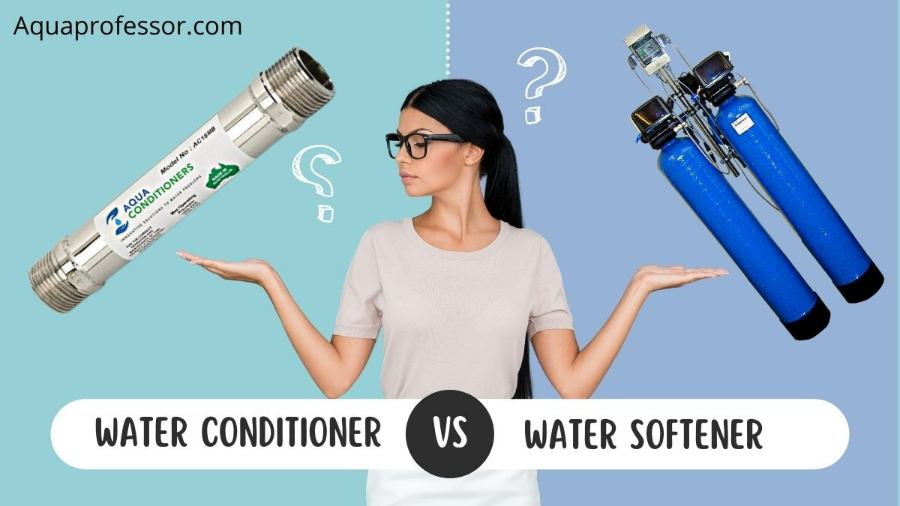 Water Conditioner VS Water Softener: Which Is Useful? (Updated 2024
The Tiny Trade-Offs
Softening has a slight catch: it adds sodium to your water. For most people, the amount is negligible—about as much as a slice of bread. But if you’re on a strict low-sodium diet, a conditioner or a potassium-based softener is a smarter move. Also, softeners need salt refills every few months, which is about as fun as vacuuming the garage, but it’s a small price for smooth skin.
Conditioners, however, don’t reduce soap scum or improve lathering as dramatically. They’re more of a prevention tool than a cure for existing buildup. So if your shower glass is already foggy with calcium deposits, you’ll need a descaling agent or a softener to undo the past.
Fun Facts to Impress Your Friends
Did you know that the first commercial water softener was patented in 1903 by a Swedish immigrant named Johan I. M. T. Y. (no, really)? Or that hard water can reduce the lifespan of your water heater by up to 30%? And here’s a weird one: some craft coffee shops in Portland now use “hard water profiles” on purpose—because certain minerals enhance extraction. But for the rest of us, softer water just tastes cleaner.
Another fun tidbit: the word “calcium” comes from the Latin calx, meaning lime, which is also why you see that white powdery stuff on your faucet. It’s basically ancient seashells haunting your plumbing. A conditioner turns those ghostly particles into harmless little spheres—like giving your pipes a tiny, soothing spa treatment.
The Bottom Line: Smooth Sailing Ahead
In the end, the difference boils down to intention. A softener removes; a conditioner changes. One is a hammer, the other a sculptor. Both have their place in the modern home, and neither is inherently “better”—just better suited to your life. So before you drop cash on a system, ask yourself: do I want silky water and salt bags, or scale prevention and zero maintenance?
Here’s a reflective thought: every glass of water you drink carries a tiny piece of your home’s personality. Whether you choose to soften, condition, or just live with the mineral crunch, remember that water is the most forgiving substance on earth—it adapts to whatever vessel holds it. And so can you, especially if that vessel has fewer lime stains.
Because in the end, it’s not about perfect water. It’s about water that lets you get on with your life—clean, calm, and just a little bit softer.
