Commercial Deionized Water Units For Industrial Cleaning

You’ve probably never thought about water—not really. But in the world of industrial cleaning, water is the quiet celebrity, the unsung hero that makes everything gleam. Enter...
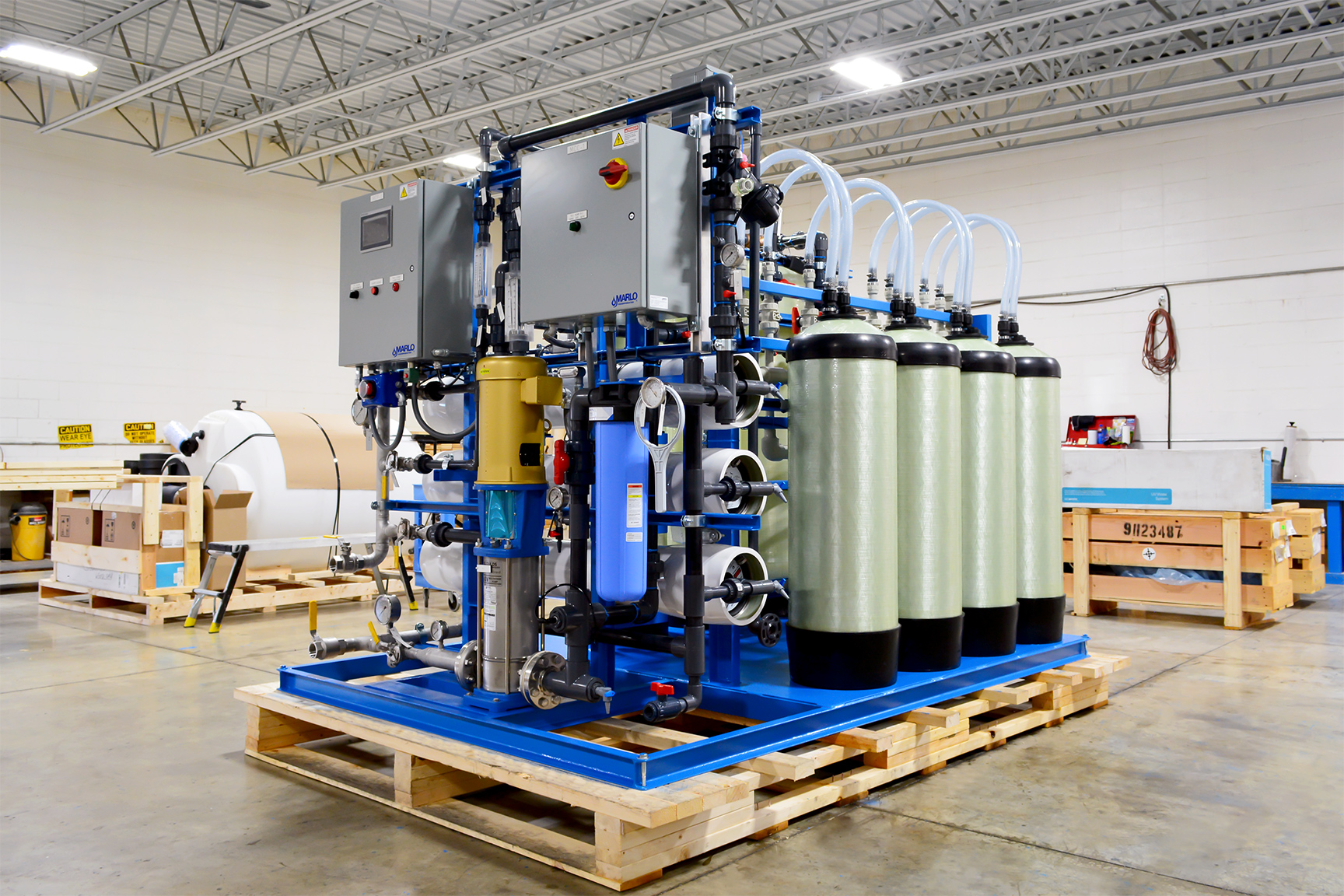
You’ve probably never thought about water—not really. But in the world of industrial cleaning, water is the quiet celebrity, the unsung hero that makes everything gleam. Enter the commercial deionized water unit, a marvel that turns ordinary H2O into a solvent superstar.
Why Your Tap Water Is a Frenemy
Tap water comes with baggage: minerals, salts, and impurities that leave spots, film, and residue. For industries like automotive detailing or electronics manufacturing, that residue is a nightmare, not just an eyesore.
Deionized (DI) water has those ions stripped away, making it chemically hungry. It wants to bond with dirt, grime, and grease—and it does so without leaving any trace behind.
Must Read
Think of it as water that’s been on a strict detox retreat. It’s pure, clean, and ready to work without any drama.
The Cooler, More Productive Cousin
If distilled water is the quiet, well-behaved cousin, deionized water is the cool, productive one. Distillation boils water and condenses steam, which is slow and energy-hungry. DI units use resin beads to swap out ions in a fast, efficient process.
Fun fact: a single liter of DI water can be produced in minutes, not hours. It’s like having a barista who knows your order before you walk in.
For commercial cleaning, this speed matters. A factory floor doesn’t have time to wait for water to boil while production lines are paused.
Where the Magic Happens
Picture a high-end auto body shop. A car comes in from a muddy road trip, and the detailer uses DI water for the final rinse. Result? A spot-free, mirror-like shine that makes the paint look liquid.
In semiconductor plants, even a single mineral speck can ruin a microchip. DI water is the only water allowed near those delicate wafers. It’s the VIP pass to cleanliness.
Hospitals also rely on DI water for sterilizing surgical tools. Imagine a scalpel with a water spot—no thank you.
Practical Tips for the Curious Buyer
Tip one: Know your water’s starting quality. Get a simple TDS (Total Dissolved Solids) meter. If your tap water reads over 400 ppm, you’ll need a more robust unit.
Tip two: Look for a system with mixed-bed resin. It’s the gold standard for high-purity output, and it’s surprisingly low-maintenance. Just swap the cartridges every few months.
Tip three: Don’t overspend on flow rate. A small auto-detailing shop might only need 5 gallons per minute. A massive warehouse might need 20. Match the unit to your actual demand.
 Chemical and Petroleum Industry Solutions | Filtox
And here’s a sneaky pro move: install a pre-filter to catch sediment before it hits the DI resin. It’ll double the life of your expensive cartridges. Think of it as sunscreen for your water system.
The Cultural Connection
Remember that scene in Breaking Bad where Walter White insists on using deionized water for his cooking? It wasn’t just dramatic flair—pure water is essential for precise chemical reactions. In cleaning, you’re the chemist of your own grime.
There’s also a nod to Zoolander here. When Derek Zoolander cries about not using “pure water” for his skin, he’s not wrong. The entertainment world gets it: purity matters.
Even in ancient Rome, they noticed that hard water left deposits on aqueducts. They didn’t have ion exchange, but they’d have loved a commercial DI unit.
A Fun Little Fact to Share at Parties
Deionized water is so pure it can actually be slightly corrosive to metals. That’s why industrial systems often use plastic piping for the final rinse stages. It’s water that’s almost too clean for its own good.
Another fact: DI water doesn’t conduct electricity well. That’s why it’s used in power plants to prevent short circuits in cooling systems. It’s the introvert of the water world—quiet, reserved, and deeply effective.
And yes, you can drink deionized water, but it tastes flat because there’s no mineral content. It’s like drinking a whisper—not bad, but you’ll miss the conversation.
Connecting to Daily Life
You might not be cleaning microchips or detailing a Ferrari. But think about the water in your coffee maker, the steam in your iron, or the rinse on your car. The concept is the same: purity creates better results with less effort.
Investing in a DI unit for your business isn’t just about streaks and spots. It’s about time saved, waste reduced, and quality elevated. It’s a quiet upgrade to your daily routine.
So next time you see a spotless window or a flawless car, give a nod to the water. Deionized water isn’t just clean—it’s a little bit of magic, running through pipes. And that magic starts with a machine that costs less than you think, proving that sometimes the best solutions are the ones you can’t even see.
