Reverse Osmosis Water Filter System With Remineralization

So, picture this: my friend Mark, a self-proclaimed “water snob,” spends a small fortune on fancy bottled water. He’d swirl it in a glass like it was fine wine, muttering abou...
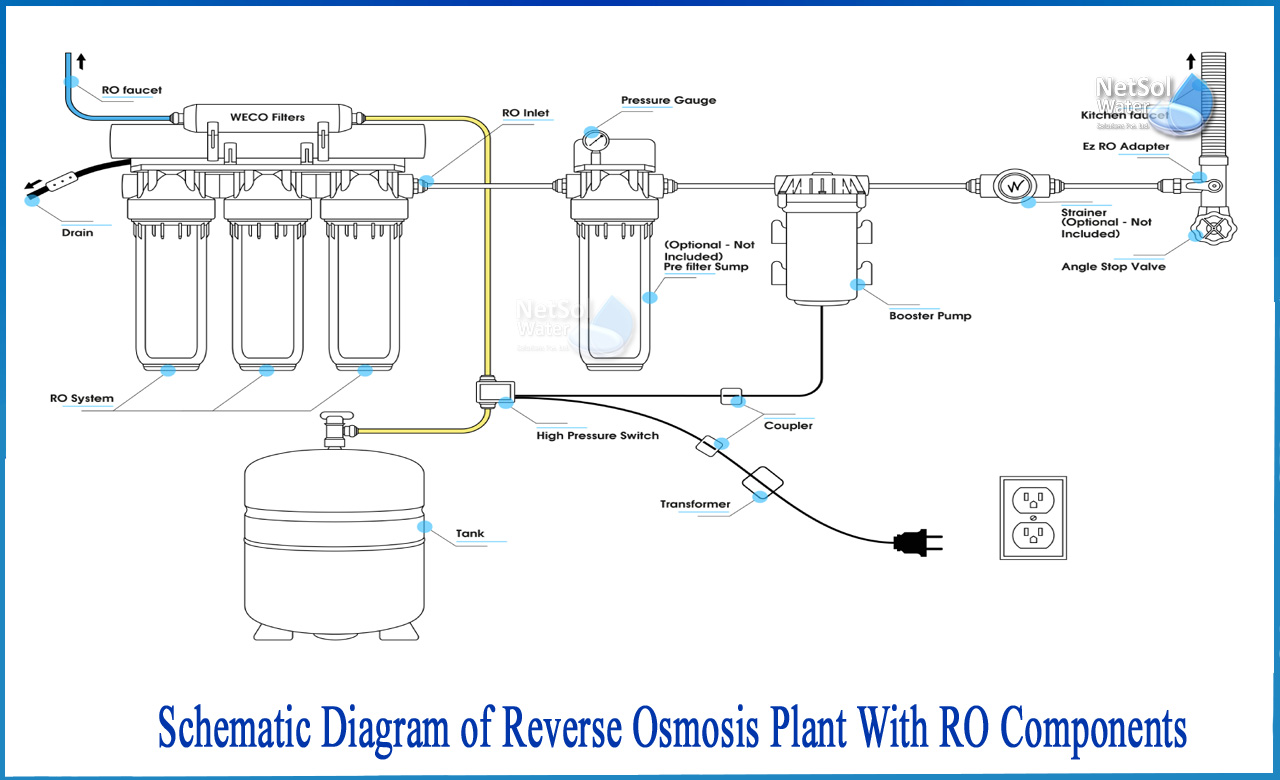
So, picture this: my friend Mark, a self-proclaimed “water snob,” spends a small fortune on fancy bottled water. He’d swirl it in a glass like it was fine wine, muttering about “mineral balance.” Last week, he proudly handed me a glass of his latest obsession—reverse osmosis water—and I swear, it tasted like a rain puddle’s sad, uninspired cousin. He looked crushed. “It’s supposed to be pure,” he whispered. And that, my curious reader, is where the plot twists.
You see, a Reverse Osmosis (RO) system is a total overachiever. It strips out literally everything: lead, chlorine, fluoride, even the ghosts of yesterday’s tap water. Think of it as a bouncer at an exclusive club who won’t let anyone in—not even the good guys. The result? Water that’s so pure, it’s almost too pure. Flat, lifeless, and frankly, a little boring. (Ever tried to rehydrate after a workout with that? Your taste buds will stage a protest.)
Why Pure Water Can Actually Taste… Wrong
Here’s the irony: we humans aren’t designed to drink nothing but H₂O molecules. Our bodies crave a bit of company—specifically, calcium, magnesium, and potassium. These aren’t just fancy buzzwords for a yoga retreat; they’re essential for everything from muscle function to that post-coffee glow. RO water, in its pristine loneliness, can actually leach minerals from your body over time. Not exactly the fresh start you were hoping for, right?
Must Read
But wait—before you toss your RO system in the trash (please don’t), let’s talk about the superhero upgrade: remineralization. Imagine you’ve just run the water through a rigorous, all-clear detox. Now, add a final stage where it passes through a cartridge loaded with natural minerals. Boom. The water gets its swagger back. It’s like giving your purified water a tiny, delicious life coach.
The Magic Behind the Remineralization Stage
Most remineralization filters use calcium carbonate and magnesium sulfate—basically, crushed rocks and a dash of Epsom salt. Sounds strange? It is, but it works. The water absorbs these minerals, and suddenly your glass of water has a smooth, slightly sweet mouthfeel. No more “hollow” taste. It’s the difference between a store-bought cookie and one your grandma baked with real butter.
And here’s the kicker: you’re not just fixing flavor. You’re actually balancing the pH. RO water tends to be slightly acidic (remember, no calcium to soften the blow?). Remineralization nudges it back to neutral or slightly alkaline. Yes, that is the same pH level that fancy alkaline water companies charge a gold bar for. You’re basically becoming your own water alchemist.
But Is It Worth the Hype? (Spoiler: Yes, With One Caveat)
Let’s be real: a full RO system with remineralization isn’t cheap. You’re looking at $200 to $600 for a decent under-sink unit, plus filter replacements every six months. But compare that to buying bottled water for the next decade—especially the “premium” ones with added minerals—and you’ll save enough to buy a decent espresso machine. Priorities, people.
 8 Best Reverse Osmosis Systems with Remineralization - Wits Engineer
Still, I have to give you the honest truth: if your tap water is already pretty good (like, you live in a mountain town where the pipes are made of unicorn dreams), you might not need the RO part. A simple carbon filter plus remineralization could be your sweet spot. But if your water tastes like a swimming pool or smells faintly of regret, go for the full system. Your taste buds will send you a thank-you note.
A Quick Note on Installation (Because We’re Not All Handy)
Don’t panic. Most modern RO systems with remineralization come with color-coded tubes and a manual that assumes you can figure it out. If you can assemble IKEA furniture without crying, you can install this. The hardest part is drilling a tiny hole in your counter or sink for the dedicated faucet. Watch a YouTube video first, maybe two. And if all else fails, bribe a plumber with a case of craft beer. Totally worth it.
The Final Sip: What I Really Think
I’ve been using a remineralizing RO system for six months now. My coffee grounds no longer taste bitter (thanks, magnesium). My tea has a roundness to it that makes me feel like a Victorian aristocrat. And my friend Mark? He finally admitted his bottled-water habit was a scam. Last weekend, I poured him a glass from my system, and he didn’t say a word—he just raised an eyebrow and nodded. That is the review you can trust.
So, here’s my closing irony: we humans spent decades trying to make water completely clean, only to realize we needed to put back a little of what we took out. It’s like washing your face so thoroughly that you have to re-apply moisturizer. The lesson? Sometimes perfection needs a pinch of imperfection. Now go drink something delicious—and skip the plastic bottles.
