What's The Difference Between Distilled And Filtered Water

You’re standing in the kitchen, glass in hand, staring at two bottles: one labeled “distilled,” the other “filtered.” It’s a quiet Tuesday, and you just want great-tasting wat...

You’re standing in the kitchen, glass in hand, staring at two bottles: one labeled “distilled,” the other “filtered.” It’s a quiet Tuesday, and you just want great-tasting water without the chemistry homework. We’ve all been there, caught in a hydration hang-up that feels bigger than it should.
Let’s clear the air. The difference between distilled and filtered water isn’t just science—it’s a lifestyle choice. Think of it as the difference between a precision-engineered machine and a cozy, handcrafted sweater.
Distilled Water: The Blank Slate
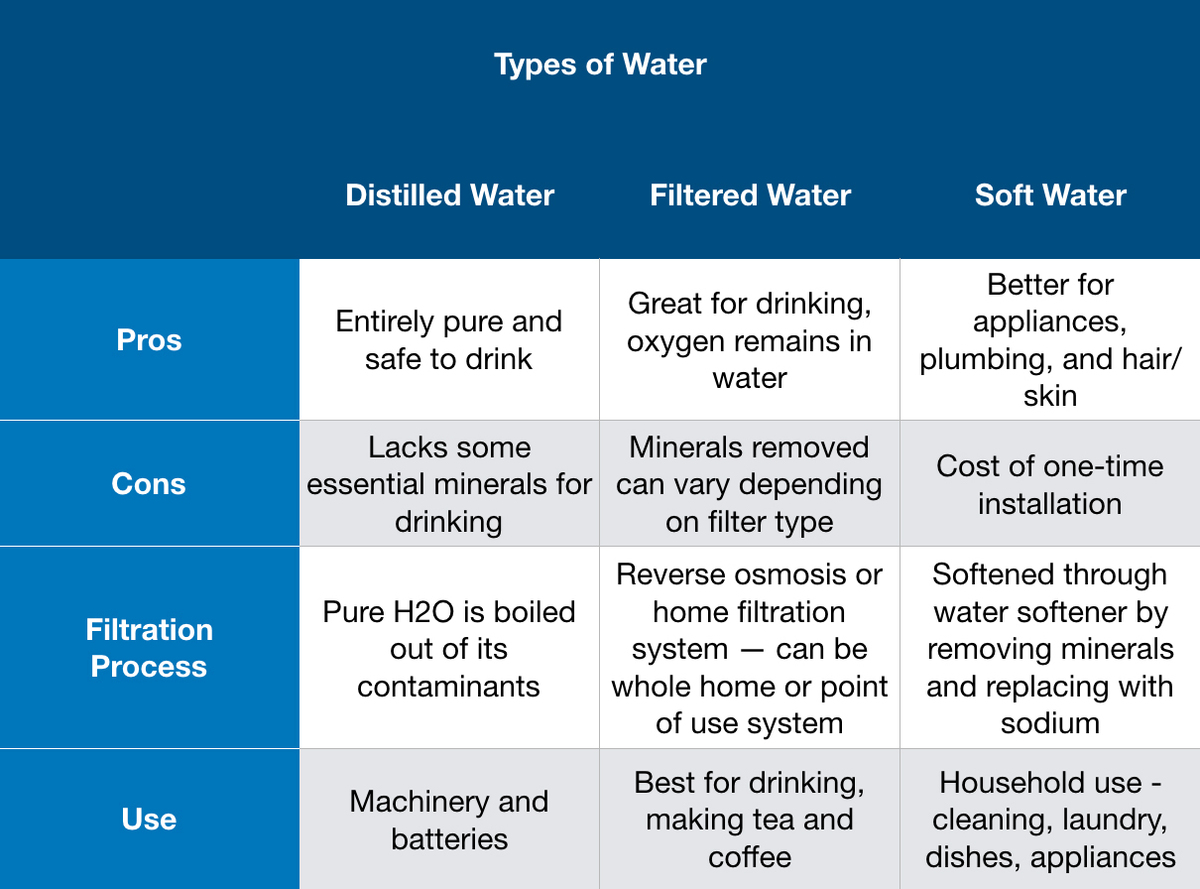
Distilled water is the purest form of H2O you can get. It’s made by boiling water until it turns to steam, then condensing that steam back into liquid, leaving almost everything else behind. This process removes 99.9% of minerals, chemicals, bacteria, and even heavy metals.
Must Read
In pop culture, distilled water is the unsung hero of retro sci-fi—think lab beakers and RoboCop’s hydration needs. It’s the water you’d use in a steam iron or a car battery because it won’t leave mineral deposits. But for daily drinking? It’s a bit like wearing a raincoat in the shower: overkill for most of us.
Fun Fact
The first recorded distillation dates back to 200 AD, used by Greek alchemists to turn seawater into drinking water. Maybe they were onto something, but they didn’t have Instagram to argue about it.
Filtered Water: The Everyday VIP
Filtered water is your friendly neighborhood upgrade. It passes through a physical barrier—like a carbon filter, ceramic mesh, or activated charcoal—to trap chlorine, sediment, and funny tastes. The key twist? Most filters keep healthy minerals like calcium and magnesium in the water, which is why it often tastes smoother and more refreshing.
Think of filtered water as the friend who edits your texts before you send them—polishing the rough edges without stripping your personality. It’s the water you reach for on a hot afternoon, poured into a mason jar with a sprig of mint. No fuss, no drama.
Practical Tip
Check your filter’s certification. Look for brands that meet NSF/ANSI standard 53 for contaminant reduction. A well-maintained pitcher under $40 can transform tap water into something closer to spring water—without the plastic waste.
Which One Should You Choose?
The short answer: filtered for daily life, distilled for specific tasks. If you’re brewing a delicate pour-over coffee or making baby formula, filtered water strikes the perfect balance. Distilled water is your heavy lifter for appliances, humidifiers, or if you live in an area with extremely hard water and want zero mineral buildup.
In cultural terms, filtered water is the New York bagel—beloved, regional, with just the right chew. Distilled water is the hospital-grade IV drip—pure, clinical, and unexciting. You wouldn’t order an IV bag at brunch, right?
 Purified Vs. Distilled Vs. Regular Water: What’S The Difference? – XOXUF
Fun Fact
Some specialty coffee shops in Tokyo and Melbourne now use custom-blended water, adjusting mineral levels to match specific beans. It’s next-level hydration that makes your home filter look like a comfortable flip-flop.
Practical Tips for Everyday Water Life
1. Don’t overthink the taste test. If your tap water smells like a swimming pool, a carbon filter is your best friend. If it tastes “flat” or metallic, try a filter that adds back essential minerals.
2. Reuse wisely. Filtered water from a pitcher works beautifully for tea, soups, and skin care routines. Distilled water is fantastic for topping off your car’s coolant, but drinking it exclusively might leave you feeling a little... blank.
3. Experiment with temperature. Distilled water actually freezes more uniformly, making it ideal for artistice ice cubes. filtered water, with its minerals, creates cloudier cubes that are great for cocktails (they melt slower).
The Vibe Check
Sipping water is one of life’s quietest pleasures, yet we filter it not just through equipment, but through our habits. Distilled water offers absolute purity, a reset button for hydration. filtered water offers companionship—it’s familiar, textured, and just right for the here and now.
Maria, the friend who owns a kettle and an attitude, always says: “Water is like a conversation. Too filtered and you lose the nuance. Too distilled and you’re talking to yourself.”
Maybe the real difference isn’t about chemicals or minerals. It’s about knowing what your day needs: a crisp, uncomplicated clarity, or a gentle, mineral-rich reminder that life is meant to be savored, not just consumed. So next time you fill your glass, ask yourself: Do I want to be pure or present? Both are valid. Just choose what makes you stop, take a breath, and actually taste the moment.
