What's The Difference Between Canning Salt And Regular Salt

You’re standing in the grocery aisle, holding a box of canning salt next to your usual table salt, and you think: “Salt is salt, right?” Not so fast. These two might look like...
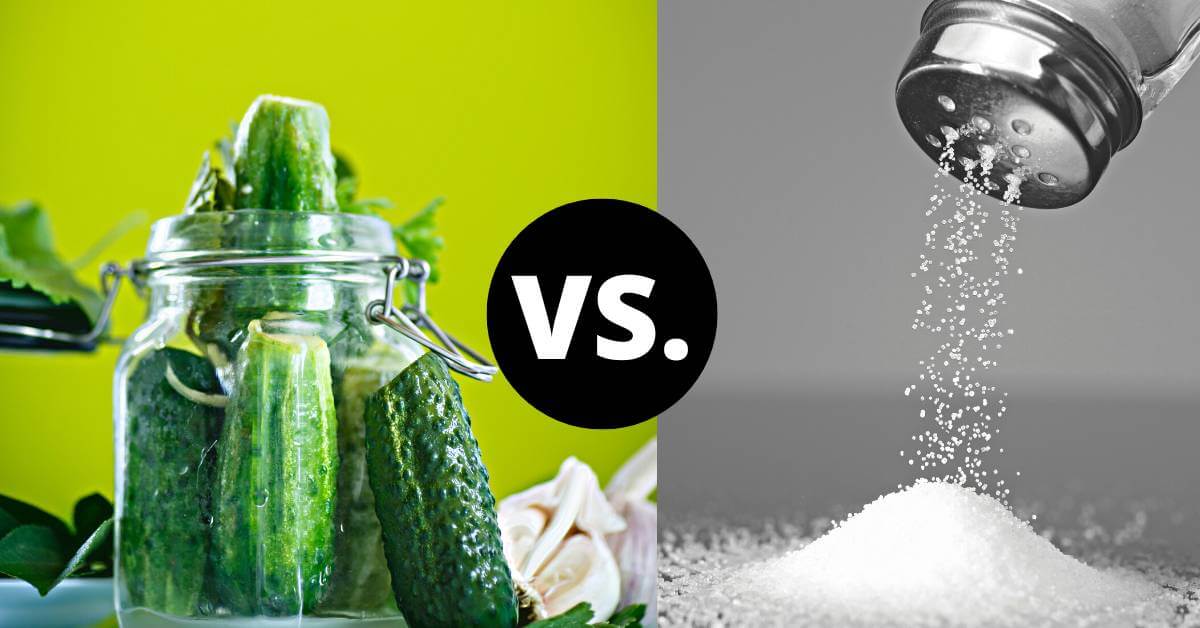
You’re standing in the grocery aisle, holding a box of canning salt next to your usual table salt, and you think: “Salt is salt, right?” Not so fast. These two might look like twins, but they’ve got totally different personalities. And confusing them can turn your pickles into a mushy disaster or leave your dinner tasting like a salt lick.
Let’s start with the basics. Table salt is what you shake on your eggs or stir into soup every day. Canning salt, on the other hand, is the quiet cousin who shows up only for pickling and preserving season. The big difference? Additives. Table salt usually has iodine and anti-caking agents that keep it from clumping. Canning salt is pure, plain sodium chloride—no extras, no fuss.
What’s the big deal about a few additives?
Imagine you’re making homemade dill pickles—crisp, tangy, and perfect. Now picture opening that jar weeks later and finding your pickles are cloudy and soggy. That’s what happens when you use table salt for canning. The anti-caking agents and iodine can turn your brine cloudy and mess with the texture. Canning salt dissolves crystal clear, so your pickles stay pretty and crunchy.
Must Read
But here’s the real kicker: it’s not just about looks. Iodized table salt can also affect flavor. Ever bitten into a pickle that tasted faintly metallic? Yeah, that’s often the iodine talking. Canning salt keeps the taste pure and clean, letting your dill and garlic shine.
So when do you actually need canning salt?
If you’re canning—like putting up jars of tomatoes, sauerkraut, or bread-and-butter pickles—you definitely want it. The Food and Drug Administration and home-canning experts recommend it for safety, too. The pure salt helps prevent spoilage by controlling bacteria without adding weird chemicals. But if you’re just seasoning tonight’s pasta water? Please, grab the regular salt. Canning salt is coarser and dissolves more slowly, so you might end up with salty patches in your sauce.
Can you swap one for the other in a pinch?
Sure, life happens. You’re set to make grandma’s relish recipe, and you realize you only have table salt. You can use it, but you’ll need to adjust. Table salt is denser because of the additives, so use about 25% less. And expect that cloudy brine—nobody will die, but your pickles might look a little sad at the fair.
On the flip side, if you use canning salt for everyday cooking, it’s fine—just remember it’s stronger by volume. It doesn’t have the anti-caking stuff, so keep it in a shaker with a few grains of rice to prevent clumping. Otherwise, you’ll be banging the shaker like a frustrated drummer at band practice.
 Canning Salt vs. Table Salt: How To Choose? » Kowalski Mountain
The funny thing about salt snobbery
My neighbor Linda once swore she could taste the difference in her potato salad. She used canning salt because “it’s pure.” I brought regular salt potato salad to the block party—no one noticed. Honestly, unless you’re a competitive pickle judge, the difference is subtle. But when you’re canning, it’s not about snobbery—it’s about science. The additives in table salt can mess with the acidity and bacteria balance in pickling. That’s why grandma always had a special box of canning salt tucked away in the pantry.
One more thing: canning salt is usually cheaper, especially if you buy in bulk. If you pickle a lot—say, you’re that person who gives jars of dilly beans as Christmas gifts—it’s a no-brainer. For everyone else, a single box will last you years. It sits in the back of your cabinet, waiting quietly like a faithful friend.
What about kosher salt? (Because someone always asks)
Kosher salt is another popular choice, and it’s also free of additives. But it’s flakier and much less dense by volume. Canning salt is finer and more consistent for canning recipes. Use kosher in a fermentation crock, not a sealed jar, if you’re experimenting. Stick with canning salt for official preserving.
The bottom line (yes, we’re wrapping this up)
If you’re canning, get canning salt. It’s cheap, it works, and it keeps your food safe and pretty. If you’re just cooking dinner, use whatever salt you have—your taste buds won’t rebel. The real secret? Read your recipe. If it says “canning salt,” don’t ignore it. If it says “salt,” you’re fine with the shaker on your counter.
So next time you’re in that grocery aisle, you’ll smile and know the difference. You might even feel a little smug—and that’s okay. Because now you’re the person who understands why some pickles shine and others go cloudy. And that, my friend, is a tiny but satisfying kitchen superpower.
