Water Softener Integration With Home Automation North Texas

Picture this: you’re in Dallas, scrolling through your phone on a lazy Sunday. Your smart thermostat has already adjusted for the Texas heat, and your coffee maker is warming...
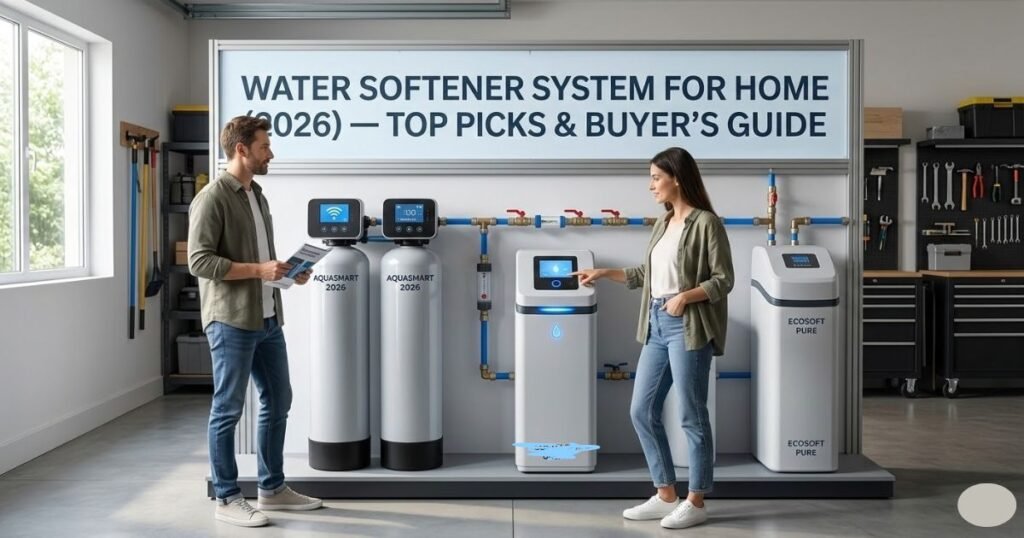
Picture this: you’re in Dallas, scrolling through your phone on a lazy Sunday. Your smart thermostat has already adjusted for the Texas heat, and your coffee maker is warming up. But what if your house could also text you to say, “Hey, we’re out of salt”?
Welcome to the quiet revolution of water softener integration with home automation. In North Texas, where the tap water is famously hard enough to polish diamonds, this isn’t a luxury—it’s a lifestyle hack. Think of it as giving your appliances a personal assistant who never sleeps.
The North Texas Hard Water Reality
Let’s get real: the water here comes from the Trinity Aquifer, rich in calcium and magnesium. Your shower glass looks like a frosty beer mug after a single wash, and your skin feels like sandpaper by Tuesday. That’s the price of living in a place where the barbecue is legendary and the sunsets are epic.
Must Read
A standard water softener stops the damage, sure. But pairing it with a smart hub like Samsung SmartThings or Apple HomeKit? That’s where the magic happens. Now, your softener can ping your phone when salt is low, or automatically regenerate during off-peak hours when electricity rates drop.
Fun fact: the average Frisco family spends 30% less on detergent after integrating smart softening. That’s like finding free guacamole on your burrito.
How the Integration Actually Works
Most modern softeners—like those from EcoWater or Pelican—come with Wi-Fi modules. You connect them to your home network, and voilà, they become chatty roommates. Your voice assistant (Alexa, Google, or Siri) can even tell you the hardness level while you’re debating what to stream tonight.
One practical tip: schedule regeneration for 2 a.m. when your thermostat is in eco mode. Your water heater won’t compete for energy, and you’ll never hear the backwash cycle. It’s the equivalent of having a ninja cleaning your pipes.
In Plano, a buddy of mine named his softener “Sandy Cheeks” after the SpongeBob character. Every time it regenerates, his smart lights flash blue. That’s the kind of joyful nerdery we’re talking about here.
Practical Tips for North Texas Homeowners
First, check if your softener uses Z-Wave or Zigbee protocols. These are the common languages for home automation. If it doesn’t, a smart plug can still track its power usage—a low-tech workaround that pays off.
Second, integrate with your irrigation system. In McKinney, the soil is heavy clay, and hard water can clog sprinkler heads. Link your softener to a smart rain sensor (like the RainMachine) so soft water only flows to your lawn when it actually needs it.
Third, set up a water leakage sensor near the softener unit. Texas summers mean high humidity, and a tiny leak under the sink can turn into a moldy horror story. Your phone will yell at you before your floorboards do.
Cultural note: In Fort Worth, they call this “The Right Hand of Cowboy Comfort.” Over in Austin, it’s just “smart 4.0.” Either way, it’s control without the fuss.
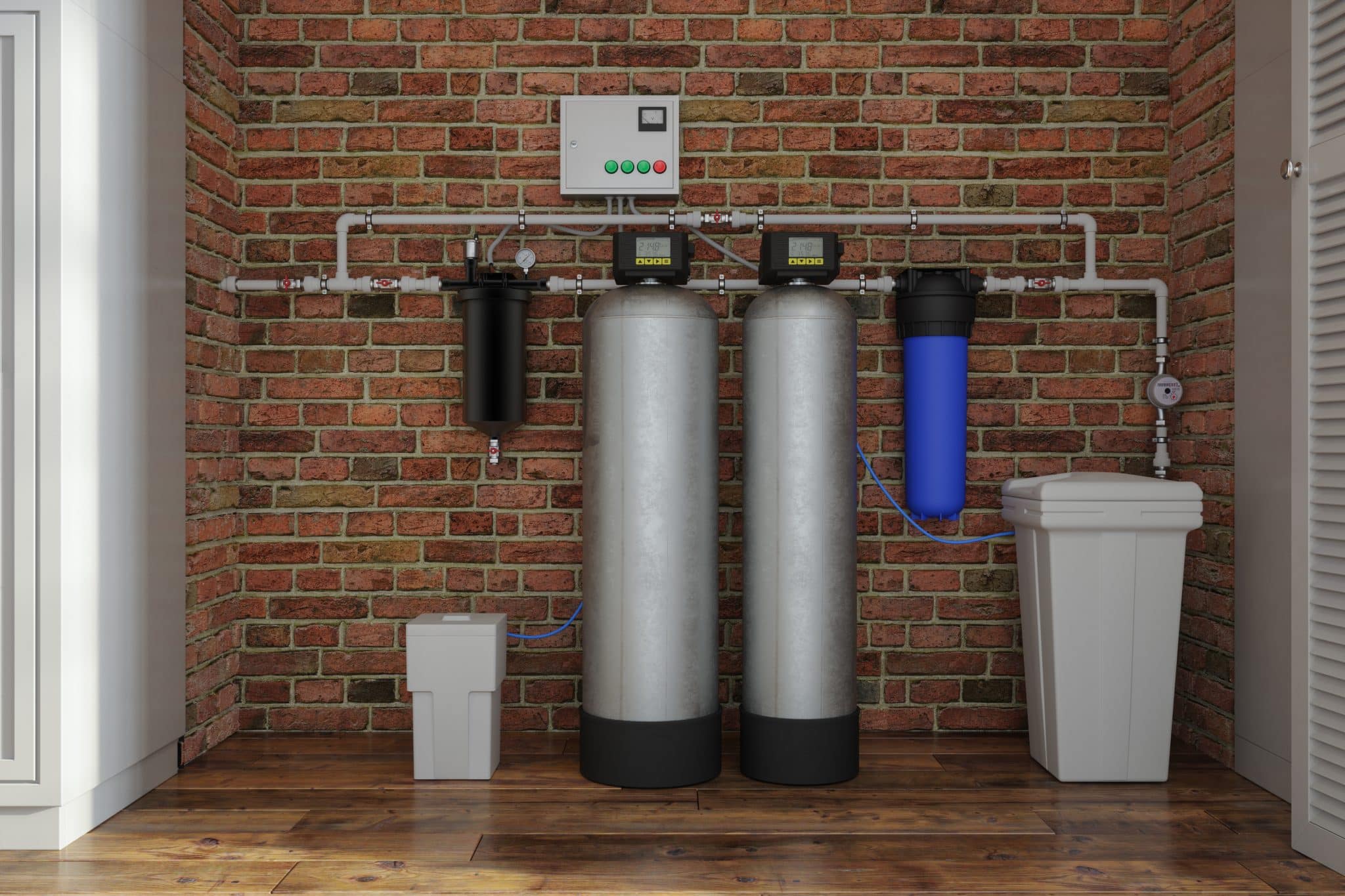 Choosing The Best Water Softener System For Your Home - Benjamin
The Entertainment Factor: Your Softener Has a Personality
Imagine this: you’re at a pool party in Southlake, someone asks about your home setup. You casually mention, “Oh, my water softener sends me weekly reports like a best friend.” Cue impressed eyebrows. It’s conversation gold—better than bragging about your treadmill that’s now a coat rack.
Smart integration also means you can check water usage from anywhere. On vacation in Galveston? Open the app and see if the kids left a faucet dripping at home. Your softener becomes a silent, digital watchdog.
Little fact: the average North Texas home saves about 10,000 gallons a year with optimized softening. That’s enough to fill a small swimming pool. Or, you know, water every lawn in your cul-de-sac for a month.
What About the Price Tag?
An integrated softener system ranges from $1,200 to $3,500, including installation. But here’s the kicker: your appliances last longer—think dishwashers and washing machines—so you’re not replacing them every three years. That’s a quiet win for your wallet.
Plus, with the Texas summer surging past 100°F, less mineral buildup means your A/C unit runs more efficiently. True story: a friend in Carrollton saw a 12% drop in his energy bill after his softener started talking to his thermostat. He bought a Yeti cooler with the savings.
Pro tip: many utility companies in North Texas (like Oncor) offer rebates for smart water devices. Check their website—you might get $100 back just for being clever.
A Short Reflection on Daily Life
At the end of the day, water softener integration isn’t about tech specs or data graphs. It’s about the small, smooth moments. That morning shower where your hair feels like silk. The glass of water that doesn’t leave a white ring on your nightstand. The washing machine that hums along, quietly grateful.
In a region where the sun bakes everything hard and the land itself is tough, a little automation brings a touch of softness. And isn’t that what we all need? A house that works with you, not against you—like a good pair of boots on a dusty trail.
So go ahead. Give your water softener a name. Let it text you reminders. Because in North Texas, hard water is inevitable. But a hard life? Not on your watch.
