Epa Ozone Generators Sold As Air Cleaners Warning Indoor Air

So, my friend Karen—you know the type, always chasing that sterile, "hospital clean" vibe—bought a little blue machine off the internet. She swore it zapped the smell of her t...
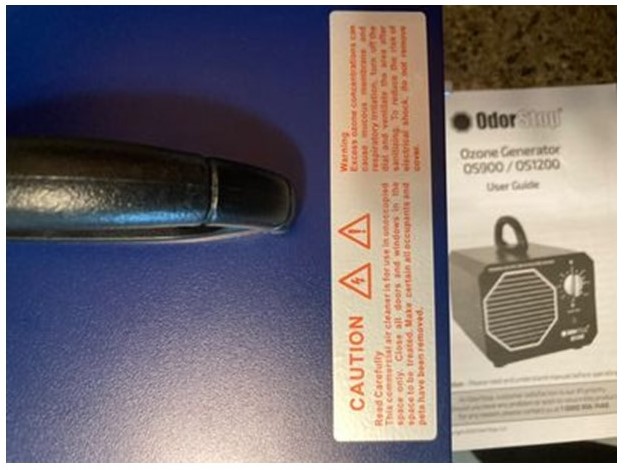
So, my friend Karen—you know the type, always chasing that sterile, "hospital clean" vibe—bought a little blue machine off the internet. She swore it zapped the smell of her two retrievers right out of the air. "It smells like a lightning storm," she gushed. Spolier alert: that "fresh" scent is actually ozone, and Karen’s lungs were about to get a chemistry lesson.
The "Lightning Storm" In Your Living Room
That "lightning storm" smell is ozone—a highly reactive gas. And those machines she bought? They’re likely EPA Ozone Generators, often marketed as "air purifiers" or "air cleaners." Here’s the kicker: the Environmental Protection Agency (EPA) has a very clear warning about these devices. They are not safe for indoor spaces where people or pets breathe.
Wait, Isn't Ozone Good? (Like The Atmosphere?)
Yes, ozone in the stratosphere protects us from UV rays. That’s miles above your head. But ozone at ground level—the kind you breathe—is a lung irritant. Think of it like this: a little bit of chlorine makes a pool safe, but a big whiff of pure chlorine gas will ruin your day. Same deal, just less dramatic.
Must Read
The EPA doesn’t beat around the bush: ozone generators should not be used in occupied indoor spaces. Period. They warn that even at low levels, ozone can trigger asthma, chest pain, and coughing. You know that feeling after a smoggy day? That’s ozone at work.
How They Trick You (Yeah, They’re Sneaky)
These devices come with names like "Ionic Air Purifier," "Ozone Cleaner," or "Germ Killer." They sound like superheroes, right? (Cue dramatic eye roll.) The marketing claims they "oxidize" odors, mold, and bacteria. And technically, they do—by destroying the particles. But here’s the catch: ozone doesn’t discriminate. It will "oxidize" the cells in your lung tissue just as happily as it "oxidizes" that stale cigarette smell.
Many manufacturers conveniently leave out the part where the EPA says safe ozone levels are below 0.05 parts per million. A study found many generators easily reach 0.10 ppm or higher in small rooms. That’s double the limit—and you’re breathing it in while you sleep.
The "It Smells Clean" Trap
Here’s the ironic part: ozone’s sharp, bleachy smell tricks your brain into thinking "clean." But you’re inhaling an irritant. It’s like mistaking bleach for fresh air—except your nose is lying to you. Your nasal passages actually desensitize to ozone after a few minutes, so you think the air has "cleared," when it’s actually getting more polluted.
True story: A friend of mine ran one in her bathroom for "mildew." Three days later, she had a nagging cough and constant headaches. She tossed the machine. The cough vanished.
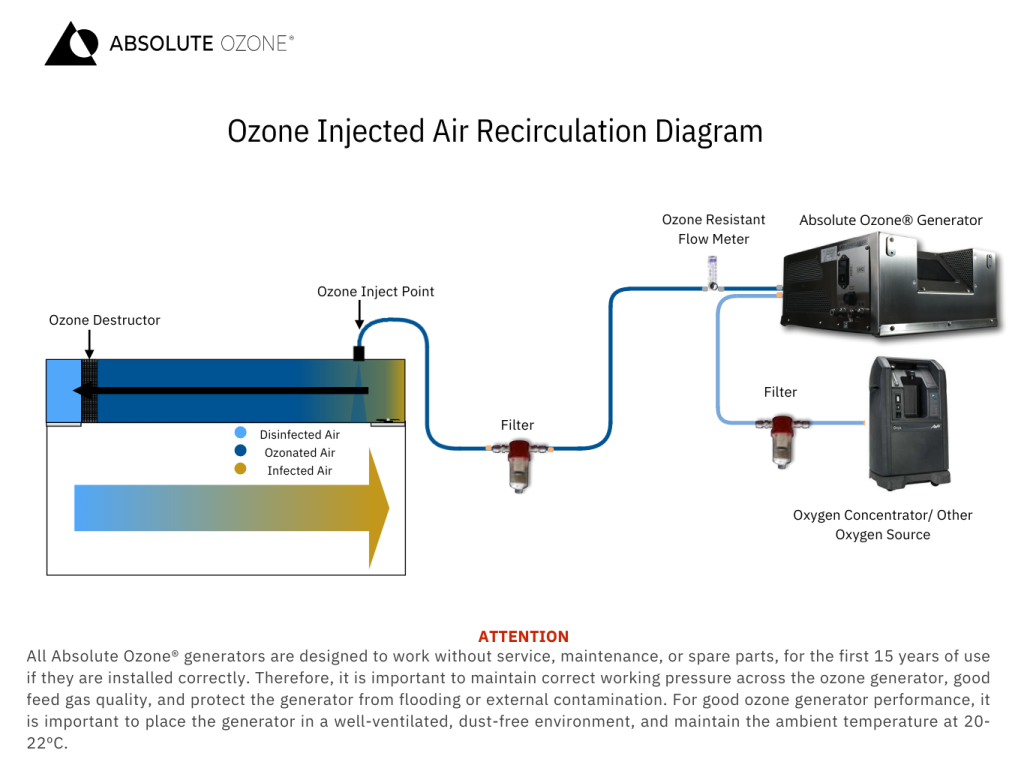 Ozone HVAC | Absolute Ozone
What Actually Works? (Spoiler: It’s Boring)
If you want to clean indoor air, the EPA recommends mechanical filters. Think HEPA filters (the kind that physically trap particles). Activated carbon filters handle smells. They’re not flashy. They don’t smell like a thunderstorm. But they also won’t make your bronchial tubes feel like sandpaper.
Side note: Even "ionizers" that don’t produce ozone can create tiny amounts of ozone as a byproduct. Always check the UL or CARB certification. If a device says "ozone-free," trust it. If it doesn’t say it, run.
The Bottom Line: Don’t Fall For The Hype
Look, I get it. We all want clean, crisp air. But an EPA ozone generator is like hiring a wrecking ball to hang a picture. Sure, it might "work," but the collateral damage is your respiratory health. The EPA’s warning is not a suggestion—it’s a public health red flag.
If you already own one, please don’t toss it in the trash (that’s bad too). Check your local hazardous waste disposal. And next time a sales pitch says "lightning fresh," remember Karen’s cough. Fresh air shouldn’t taste like a parking garage.
Your lungs will thank you. Honestly.
