Affordable Uv Disinfection Equipment For Agricultural Water Reuse

Imagine your garden hose as a time machine. It’s carrying yesterday’s bathwater, ready to nurture today’s tomatoes. Sounds weird? Welcome to the quiet revolution of agricultur...
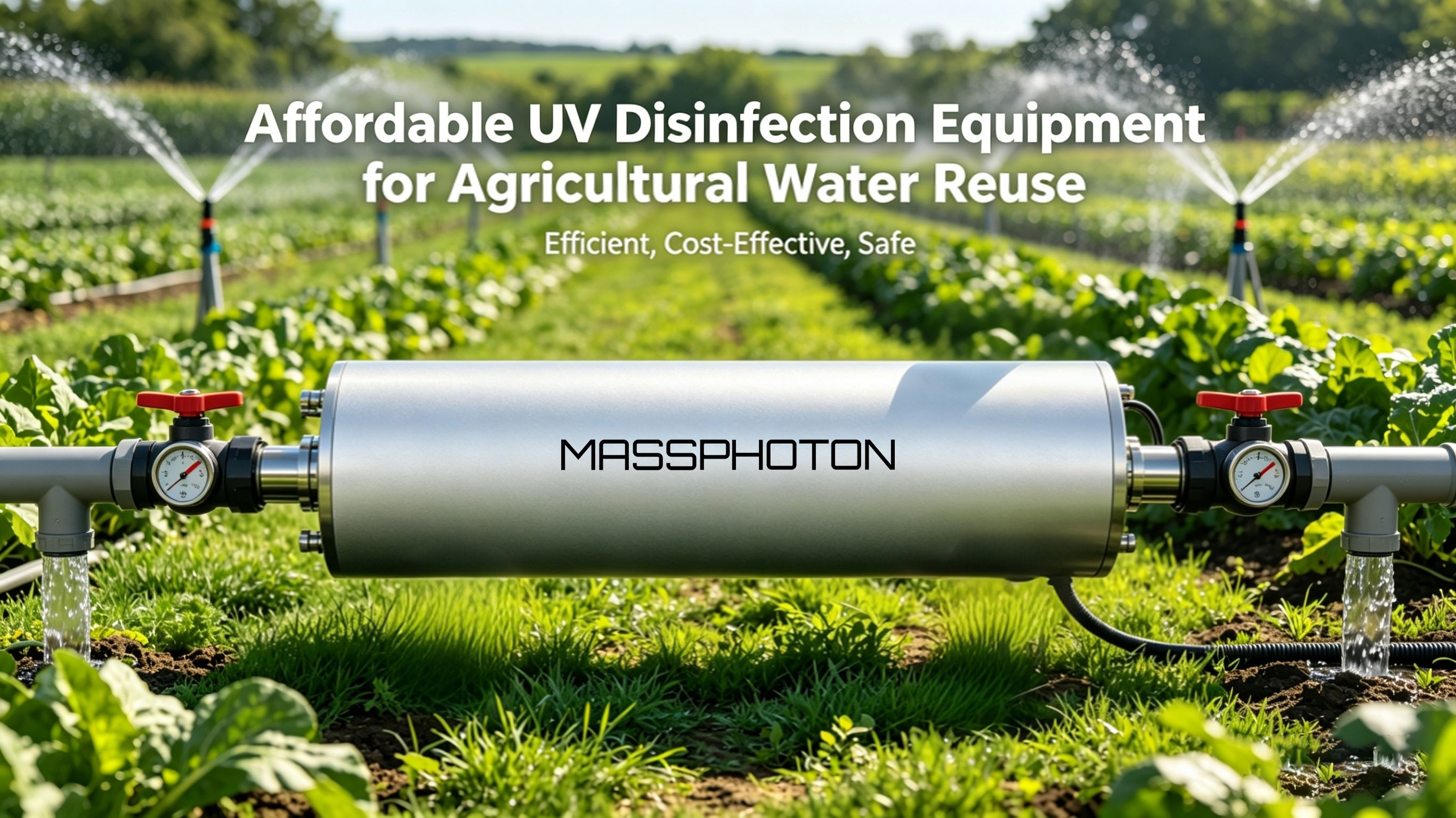
Imagine your garden hose as a time machine. It’s carrying yesterday’s bathwater, ready to nurture today’s tomatoes. Sounds weird? Welcome to the quiet revolution of agricultural water reuse, where UV disinfection is the cool, clean solution nobody’s talking about yet.
You don’t need a lab coat or a million-dollar grant to make it happen. Affordable UV disinfection equipment is now as accessible as a good espresso machine, and it’s saving farmers—and backyard gardeners—from the dreaded “swamp taste” in their greens.
The Glow-Up for Gray Water
Think of UV light as the sun’s overachieving cousin. It zaps bacteria, viruses, and pathogens without adding a single chemical to your water. No chlorine smell. No weird aftertaste. Just pure, clean H₂O ready for another round with your lettuce.
Must Read
Why does this matter? Because rain isn’t always reliable, and municipal water costs are rising faster than avocado toast prices. Reusing water from sinks, showers, or even laundry isn’t gross anymore—it’s resourceful.
Fun fact: A single UV bulb running for an hour costs about the same as a single AAA battery. That’s roughly four cents. Your Netflix subscription costs more per minute.
Don’t Let the Buzzwords Scare You
The market used to scream “industrial grade” and “professional installation only.” That’s so 2019. Today, you can grab a plug-and-play UV system for under $200 that attaches to your garden hose. No soldering. No engineering degree required.
Look for units with a flow rate of 5 to 10 gallons per minute. That’s enough to water a small vegetable patch or a modest row of herbs without feeling like you’re waiting for a slow elevator. Pair it with a simple sediment filter (the kind you find at any hardware store) and you’re basically a water wizard.
Cultural note: In Israel, where water is scarcer than a quiet moment at a family dinner, UV reuse systems are as common as falafel stands. They’ve been doing this for decades. If it works in the desert, it’ll work in your backyard.
The “Yuck Factor” and How to Beat It
Let’s be honest—the hardest part isn’t the tech. It’s the mental block. You look at that cloudy water from your washing machine and think, “No way I’m putting that on my basil.” But here’s the trick: UV light doesn’t care about your feelings. It annihilates 99.99% of harmful microorganisms in seconds.
To make the transition smoother, start small. Use UV-treated reused water on ornamental plants first—think petunias or ferns. Once you see them thrive (and maybe even get jealous of their glow), graduate to your kale. Your taste buds will thank you.
Practical tip: Install a simple bypass valve so you can switch between fresh water and reused water. That way, when your in-laws visit and demand “normal” water for the roses, you can toggle without a fuss. Smart hospitality.
What to Buy Without Breaking a Sweat
Entry-level champ: The Viqua Sterilight S12Q. It’s about $150, easy to install, and has a clear quartz sleeve that tells you when the bulb needs replacing. No guesswork.
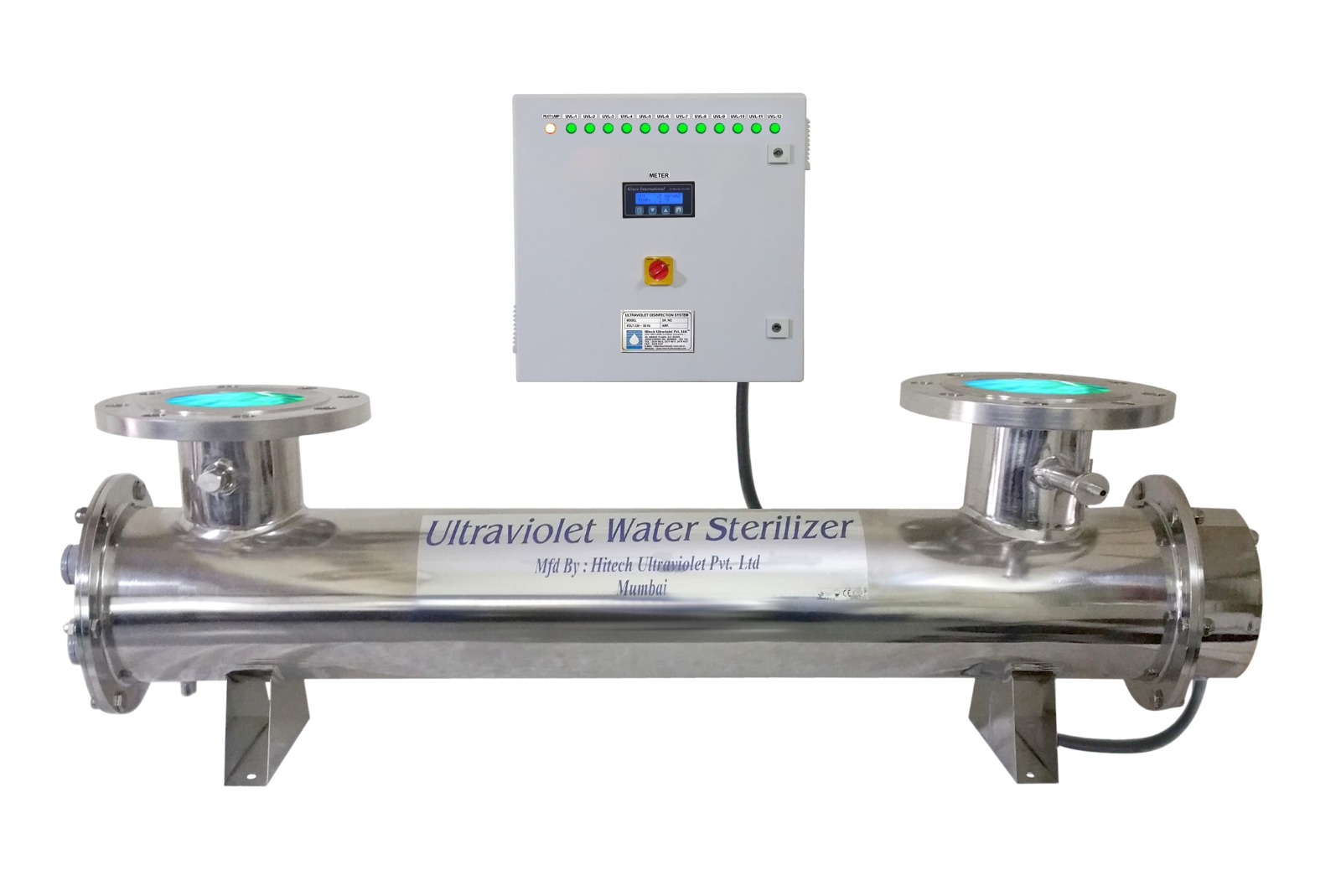
If you’re feeling fancy: Look for a unit with a digital controller. It tells you lamp life, water temperature, and even sends an alert if the flow drops. Basically, it’s the Tesla of UV systems, but for a fraction of the price.
 Water Treatment Plant Manufacturers in Gujarat
Pro tip: Always buy a spare bulb when you buy the unit. Bulbs last about 9,000 hours (that’s a full year of constant use). But trust me, the moment yours burns out on a Saturday, you’ll wish you had a backup. It’s like owning a spare tire for a bicycle you love.
The Hidden Benefit Nobody Talks About
Using UV-treated reused water reduces your fertilizer bill. Why? Because gray water already contains trace amounts of phosphorus, nitrogen, and potassium from soaps and food residues. The UV kills the bad stuff but leaves the nutrients intact. Your plants get a gentle, constant feeding without you lifting a measuring spoon.
It’s like having a butler who also happens to be a nutritionist. Your roses will look like they’ve been to a spa. Your tomatoes will blush. Literally.
Fun fact: The first known use of UV for water treatment was in 1877 in Marseille, France. They used sunlight. We’ve come a long way, but the principle is still the same: light = life.
Common Myths, Busted
Myth #1: “UV doesn’t work if the water is cloudy.” True—but only if you skip the pre-filter. A simple 5-micron filter clears it up faster than you can say “eureka.” Spend $20 on that filter, and you’re golden.
Myth #2: “It’s bad for the environment because of the bulbs.” Most UV bulbs are low-mercury and recyclable at any household hazardous waste facility. The energy savings from not pumping fresh water outweigh the carbon footprint of the bulb by a factor of ten.
Myth #3: “I need a permit.” In most places, you don’t need a permit for garden use of reused water treated with UV. Check your local codes, but nine times out of ten, it’s a green light. Literally.
A Little Reflection for the Road
Water has a memory—not in a mystical sense, but in the way it cycles through our lives. It washes our faces, rinses our plates, and then asks for a second act. Giving it that chance, with a simple UV bulb, is one of the quietest acts of rebellion against waste.
The next time you hold a perfectly ripe strawberry from your garden, remember: it didn’t just drink from the sky. It drank from yesterday’s shower. And with a little UV love, it tasted like the future.
So go ahead. Let your water live again. Your plants—and your water bill—will thank you.
