Compare Deionized Water Systems With Reverse Osmosis Integration

Hey, you know how I get about water, right? Total geek. But recently, I fell down a rabbit hole comparing deionized water systems with those fancy reverse osmosis setups that...
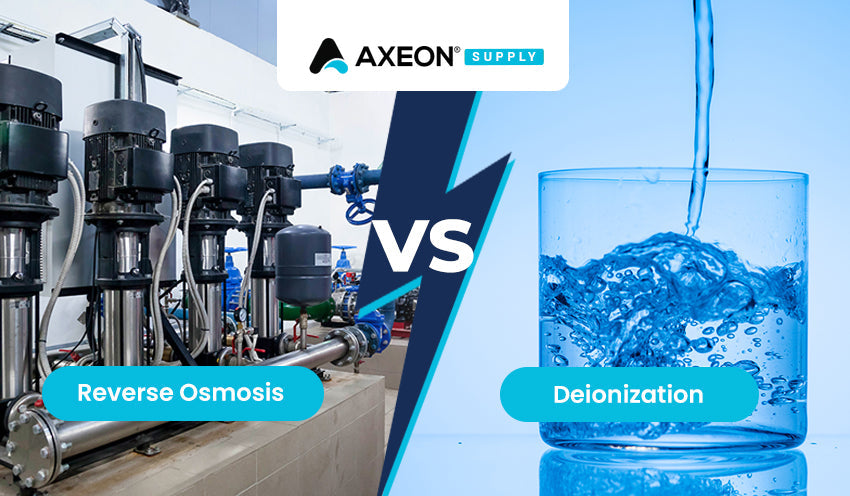
Hey, you know how I get about water, right? Total geek. But recently, I fell down a rabbit hole comparing deionized water systems with those fancy reverse osmosis setups that also do deionization.
Spoiler alert: it’s not just about which one makes the purest water. It’s about how lazy you want your plumbing to be.
Think of plain Reverse Osmosis like a bouncer at a club. It shoves most of the bad stuff out—salts, metals, weird smells—but it lets a few tiny molecules sneak past.
Must Read
Now, Deionization is the obsessive-compulsive roommate who won’t leave a single dust speck on the counter. It zaps everything charged— good-bye minerals, hello scientific-grade purity.
The Lone Ranger: Standalone DI Systems
A standalone deionized water system is basically a tank full of resin beads. Those beads grab dissolved solids like a toddler grabs candy. It’s simple, it’s effective, and it’s fast at first.
But here’s the kicker: those beads eventually get full. Like, burping-at-the-buffet full. You have to replace them or regenerate them with acid and caustic chemicals. Not exactly a weekend hobby.
If you’re feeding it tap water that’s already high in minerals, you’ll be swapping resin cartridges every time you blink. Your wallet will weep. Your patience? Gone.
Enter the Sidekick: RO + DI Integration
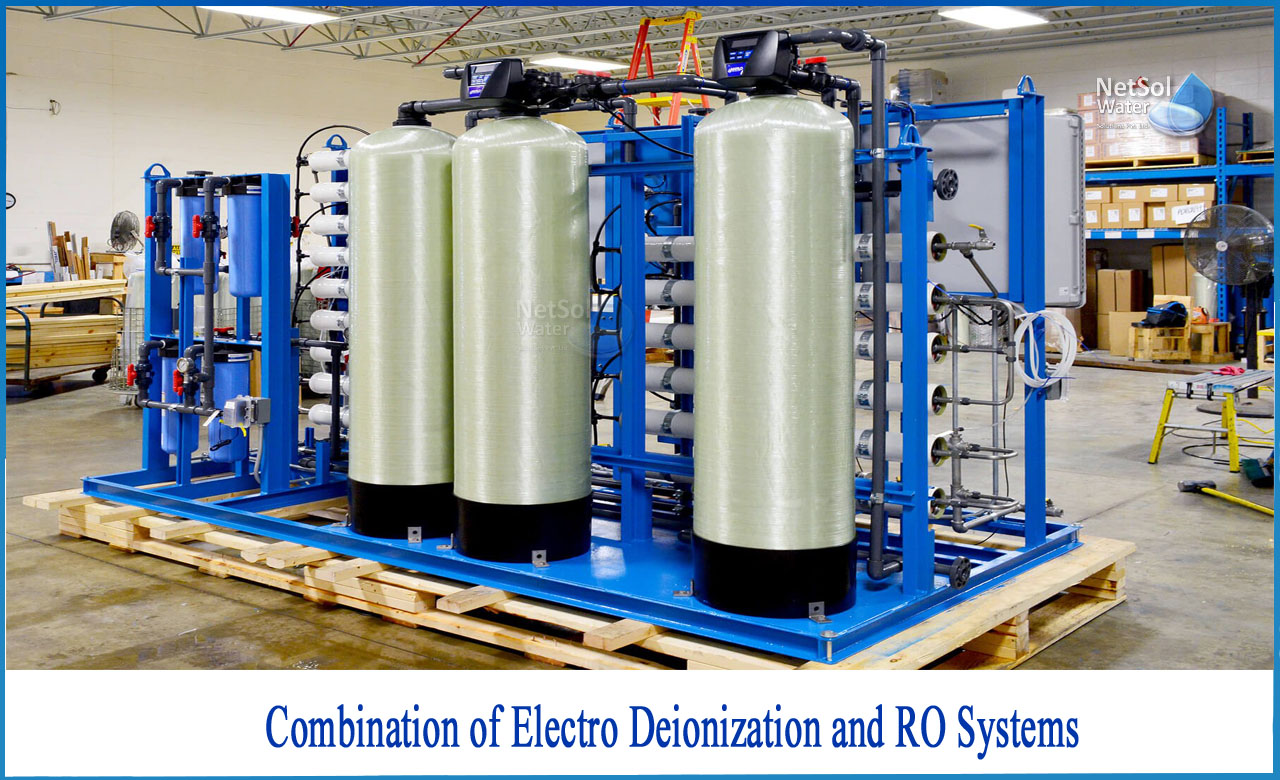
So you slap a Reverse Osmosis system in front of your deionizer. It’s like giving that DI roommate a pre-cleaned house before they start dusting. The RO membrane kicks out 95% to 99% of the nasty stuff automatically.
Now, the DI resin only has to handle the tiny leftover stragglers. That means your cartridges last forever—or at least a few months longer than usual. Less hassle, less money, more high-fives.
But is it perfect? Ha. No. RO systems waste water—about 3 to 4 gallons for every one gallon of pure water they make. That’s a lot of H2O down the drain. Eco-friendly? Not exactly.
Also, RO is slower than molasses in January. You need a storage tank, which takes up space under your sink. So if you’re in a tiny apartment with a tiny cabinet, you might hate me for suggesting this.
When to Pick the Plain DI System
If you only need small amounts of ultra-pure water for a lab, a fish tank, or your fancy espresso machine, standalone DI is totally fine. Just be ready to buy new cartridges every few weeks.
It’s like using a disposable camera. Cheap upfront, but the film costs add up. You’re paying for simplicity, not efficiency.
Oh, and DI water tastes kinda weird. Flat, boring, like licking a clean spoon. Don’t drink it regularly—it can leach minerals from your body. Seriously, don’t be a hero.
 Deionized Water For Cooling System at Milla Gadsdon blog
When to Embrace RO + DI Integration
This is for the water snobs who want zero TDS (total dissolved solids) without the headache of constant maintenance. You get the best of both worlds: near-total purity and long resin life.
It’s also perfect for aquariums that need consistent chemistry, or for car detailers who don’t want water spots. You’ll look at your faucet and smile a little.
But here’s the real talk: an RO+DI system can cost three times as much as a standard DI setup. You’re paying for the complexity, the extra valves, the membranes, and the storage tank.
The Rubber Meets the Road (or the Sink)
Let’s get real about installation. A basic DI system is dead simple—screw it onto a faucet adapter, run the hose, done. You can do it in five minutes while half-asleep.
An RO+DI system? You’ll need to drill a hole for the drain line, mount a tank, run tubing, and maybe add a booster pump if your water pressure stinks. It’s a weekend project, not a coffee break.
But once it’s set up, it runs itself. The RO membrane lasts 2-3 years, and the DI resin only needs swapping every 3-6 months. You’ll feel like a water wizard.
Myth-Busting: Both Get Bacteria
Here’s something they don’t tell you in the ads: both systems can grow bacteria if you don’t use them regularly. Pure water with no minerals? Bacteria love that environment. It’s like a luxury spa for microbes.
So if you go on vacation for two weeks, come back and flush the system for 10 minutes. Or invest in a UV sterilizer. Yes, it’s a whole ecosystem under your sink now. Congratulations.
Final Verdict (and a Snarky Comparison)
If you’re a casual hobbyist who just wants crystal-clear ice cubes, get a standalone DI cartridge. It’s cheap, cheerful, and you’ll feel like a mad scientist every time you fill a beaker.
If you’re an obsessive perfectionist who needs laboratory-grade water every single day without replacing parts every Tuesday, go RO+DI. Your future self will thank you when the resin lasts a year.
Me? I went with the RO+DI integration because I hate changing cartridges. Also, I like drilling holes in things. Don’t judge.
So, which one matches your level of crazy? Either way, you’ll be drinking (or testing) water that’s purer than a monk’s soul. Cheers to that.
