Cost-effective Deionized Water Solutions For Healthcare Facilities

Let’s be honest: running a healthcare facility is a lot like trying to keep a toddler’s birthday party under control. There are spills, sticky messes, and the constant fear th...
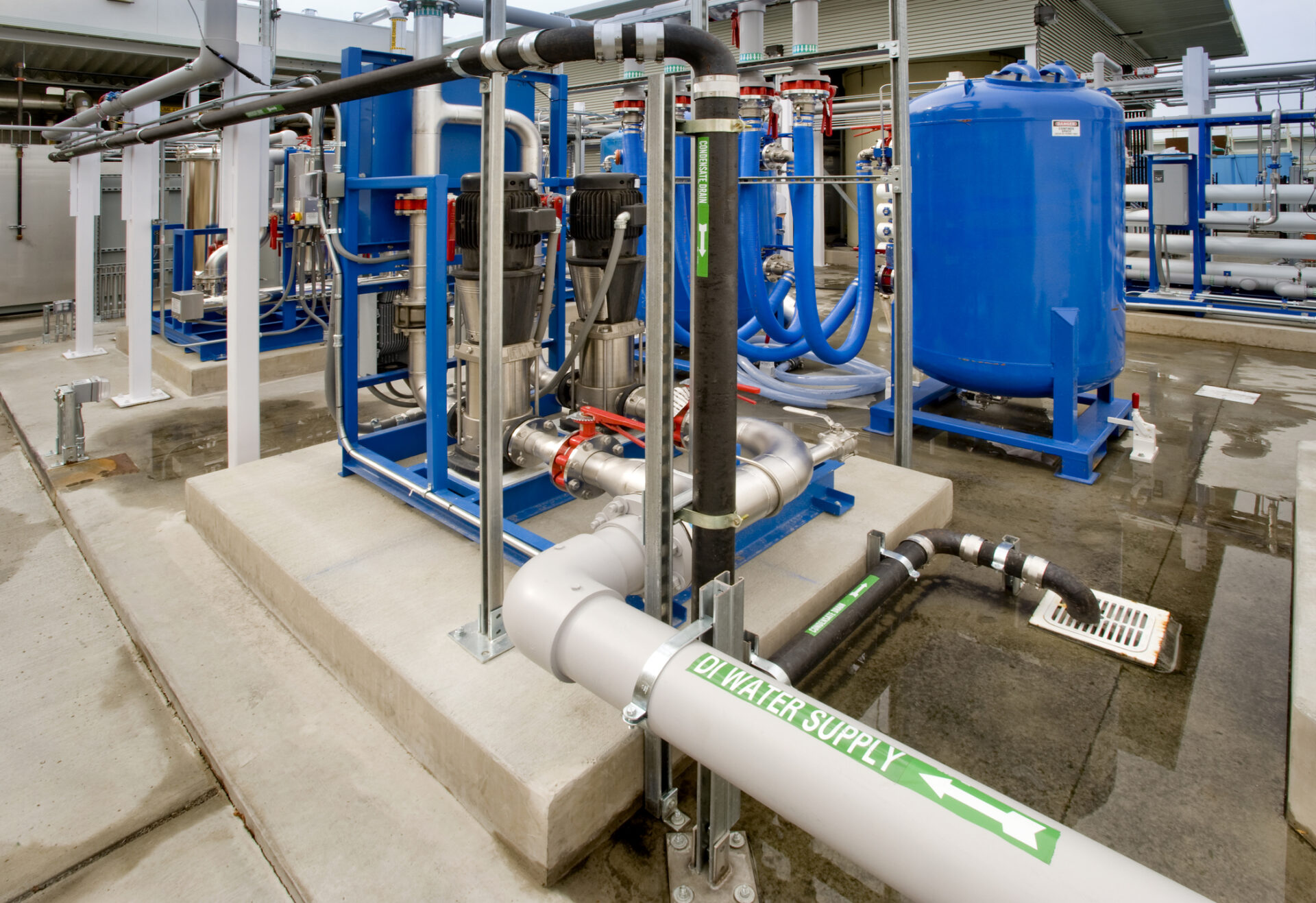
Let’s be honest: running a healthcare facility is a lot like trying to keep a toddler’s birthday party under control. There are spills, sticky messes, and the constant fear that something expensive is about to break. And right in the middle of this chaos sits water—specifically, the kind of water that’s so pure it makes regular tap water look like a muddy puddle.
You know the stuff: deionized water. It’s the water that doesn’t leave crusty white spots on your expensive sterilization equipment. It’s the water that actually makes your lab tests reliable instead of a guessing game.
But here’s the kicker: buying deionized water in those big plastic jugs is like paying for a luxury SUV when you only need a bicycle. It gets the job done, but your wallet weeps quietly in the corner.
Must Read
I once visited a small clinic where the staff were practically wrestling with 5-gallon carboys. “It’s like carrying a very heavy, wet cat,” the head nurse told me. “Except the cat is full of science and costs us a fortune.”
So, what’s the easy-going, cost-effective solution? On-site generation. Think of it as having a tiny water-purifying superhero living in your supply closet.
Instead of buying water that’s been trucked across town (and marked up 500%), you make your own. Systems like reverse osmosis (RO) or electrodeionization (EDI) units sit quietly in a corner, sipping a bit of electricity and turning your regular tap water into something that would make a chemistry professor swoon.
I know what you’re thinking: “Sounds expensive.” And sure, buying a machine feels like a big adult purchase, like a new washing machine. But here’s the thing—a washing machine saves you quarters and trips to the laundromat. An on-site DI system saves you thousands of dollars every year in jug rental, disposal fees, and the labor of having your very best, highest-paid lab tech hauling water like it’s a gym workout.
Why Your Budget Will Thank You
Let’s do some quick, napkin math. If you go through 500 gallons of DI water a week, buying it pre-made can cost you anywhere from $0.50 to $1.50 per gallon. That’s $250 to $750 every single week. On-site? With a decent system, your cost drops to around $0.05 to $0.15 per gallon.
That’s not a savings. That’s a financial sigh of relief big enough to buy a new coffee machine for the break room. And we all know good coffee is basically a healthcare requirement.
Plus, you dodge the “Oh no, we’re out of water!” panic. You know the one. It’s 4:45 PM on a Friday, you have two autoclave cycles waiting, and the delivery truck is stuck in traffic. With on-site generation, you have infinite water. It’s like having a magical, never-empty water cooler that pays you back.
What About Maintenance? (Don’t Worry, It’s Easy)
I can already hear someone muttering, “But maintenance!” Yes, every machine needs a little TLC. But modern DI systems are basically appliance-level simple. You change a filter every few months—like changing the filter on your refrigerator, except this one makes your autoclave live longer.
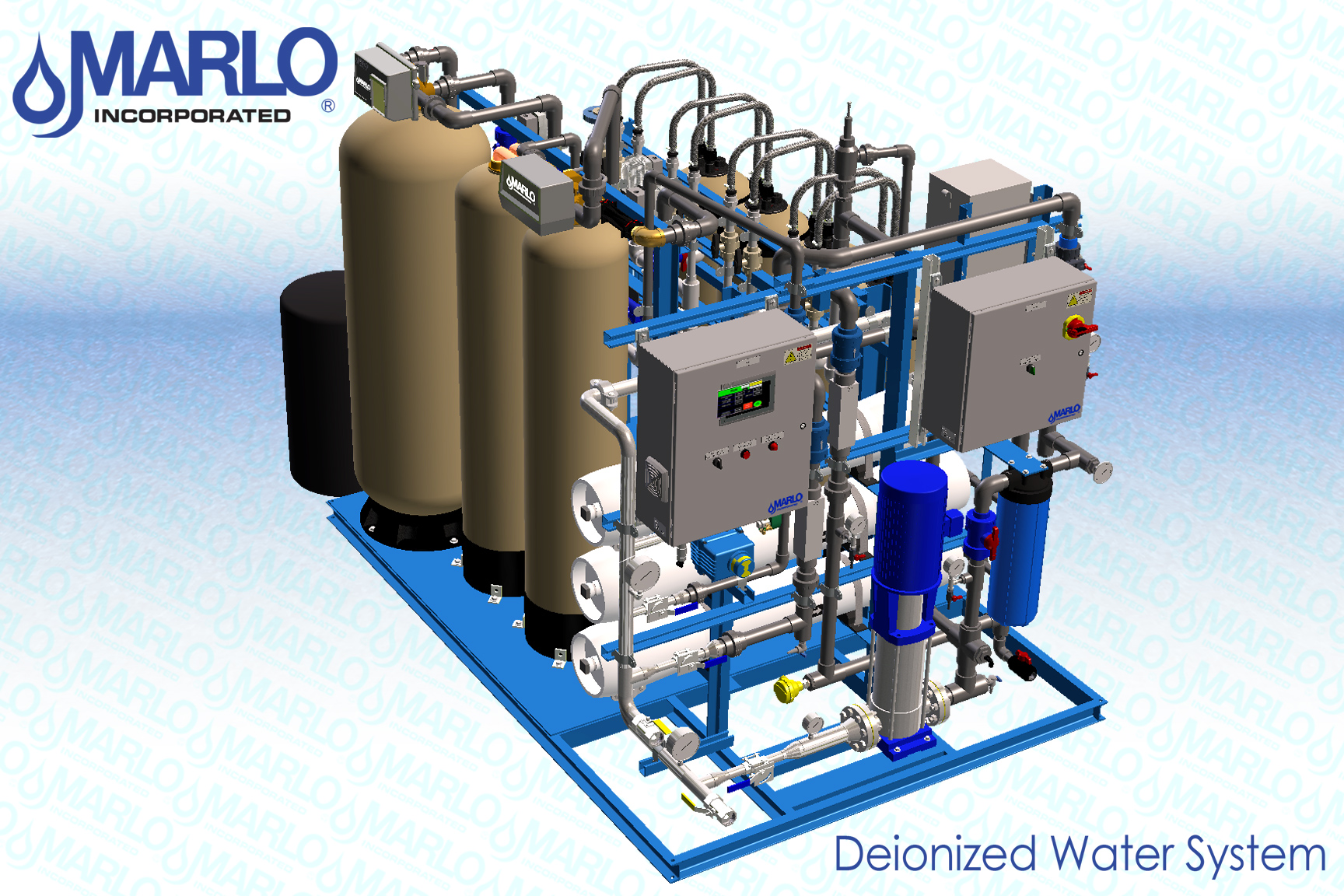 Deionized Water Treatment Systems – TMHR
Some systems even have a little light that says, “Hey, change me.” It’s not rocket science; it’s just smart plumbing. If you can change a vacuum cleaner bag, you can handle this.
And if you really hate getting your hands dirty, you can lease a system. That way, a vendor comes in to do the dirty work while you focus on, you know, keeping people healthy. That’s the real win.
Real Talk: A Funny Comparison
Think of bottled DI water like buying individually wrapped cheese slices. Sure, it’s convenient. But you’re paying for the wrapper, the truck, the store shelf, and the logo. On-site generation is like buying a giant block of cheddar and slicing it yourself. It’s the same cheese, just without all the silly middlemen.
Your facility doesn’t need fancy packaging. It needs pure water, consistently, without making your finance director turn pale.
The “Easy-Going” Way Forward
Start small. Don’t go out and buy a system the size of a minivan. Look for compact, skid-mounted systems. They fit right under a counter or next to a sink. They’re quiet, they’re efficient, and they don’t require a dedicated priest to bless them upon installation.
Talk to a few vendors. Get a water quality test. Most of them will do that for free because they really want to sell you a system. It’s like a free dessert tasting at a steakhouse—except the “dessert” is lower operating costs and fewer headaches.
And here’s the best part: once you switch, you’ll wonder why you ever put up with those heavy plastic jugs. You’ll look at those empty carboys in your storage room and smile, knowing they’re now just expensive museum pieces.
So go ahead. Make your water on-site. Save money. Save your back. And most importantly, save that budget for the things that really matter—like better patient care and, of course, a really good coffee machine.
