Reverse Osmosis Removes Hardness Calcium Magnesium Water Softening Method

Let’s be honest—hard water is the uninvited guest that never leaves. It leaves chalky white spots on your favorite wine glasses and turns your morning shower into a battle aga...
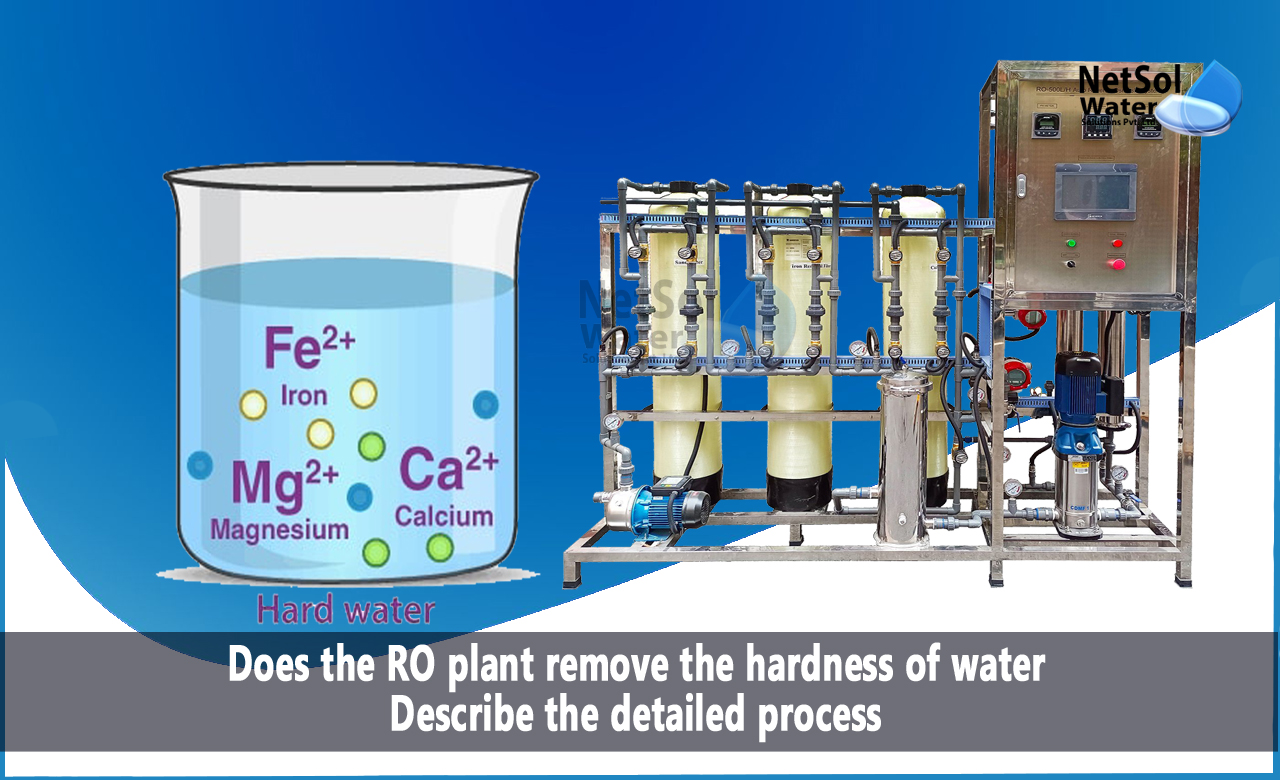
Let’s be honest—hard water is the uninvited guest that never leaves. It leaves chalky white spots on your favorite wine glasses and turns your morning shower into a battle against dry skin. The culprits? Calcium and magnesium ions, the mineral duo that makes water “hard.” But here’s the good news: reverse osmosis (RO) isn’t just for astronauts or fancy coffee shops. It’s your new kitchen ally for soft, pure water that actually feels good on your skin.
What’s the Big Deal About Hard Water?
Hard water is like that friend who always borrows your shampoo and never returns it—annoying and slightly corrosive. Beyond the soap scum on your shower door, those minerals can clog your pipes and shorten the life of your appliances. According to the U.S. Geological Survey, 85% of American homes have hard water. That’s a lot of cloudy ice cubes and dull laundry.
Think of calcium and magnesium as tiny, clingy dancers who refuse to leave the party. They bond with soap, creating a sticky residue that actually makes your skin feel less clean. A 2018 study in the journal Dermatitis found that hard water can exacerbate eczema—so that itch after your shower isn’t just in your head.
Must Read
Reverse Osmosis: The Ninja of Water Softening
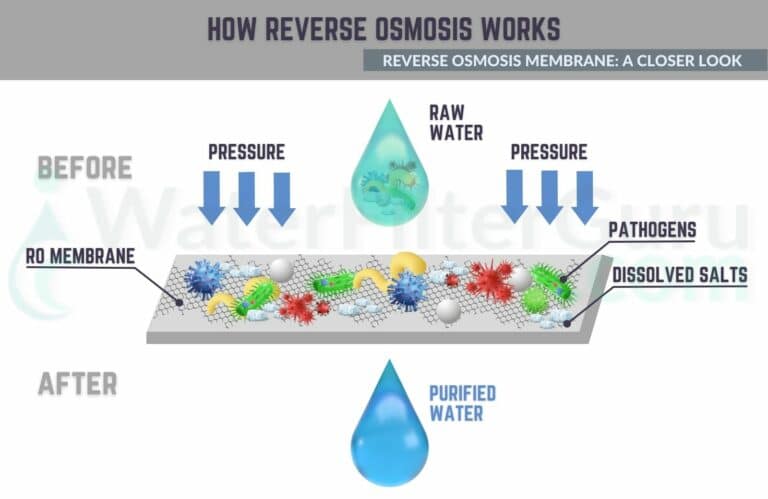
Most people think of salt-based water softeners when they hear “softening.” Reverse osmosis is a different, more elegant beast. Instead of swapping minerals for sodium, RO forces water through a semi-permeable membrane that physically blocks calcium and magnesium. It’s like a bouncer at an exclusive club—only water molecules get past the velvet rope.
Here’s the fun part: the membrane’s pores are about 0.0001 microns wide. To put that in perspective, a human hair is 70 microns thick. So your water is getting filtered at a scale that sounds like science fiction. RO removes up to 99% of dissolved solids, including calcium, magnesium, lead, and even fluoride. That’s why it’s the gold standard for drinking water on submarines (and in your home).
But wait—doesn’t that strip out the good minerals too? Yes, it does. That’s why many systems add a remineralization stage. Think of it as the water’s spa day: deep clean first, then a gentle touch of calcium for flavor and health.
Practical Tips for RO Newbies
Don’t rush out to buy a whole-house system if you’re just trying to soften water for drinking and cooking. A point-of-use RO system under your kitchen sink costs $200–$500 and takes up less space than a microwave. Perfect for coffee lovers who want to taste the bean, not the mineral.
Pro tip: test your water first with a simple DIY kit from a hardware store. If your hardness level is below 10 grains per gallon, RO might be overkill. But if you see limescale on your kettle after two weeks, it’s time to upgrade. Also, know that RO systems waste some water (about 3–4 gallons for every 1 gallon filtered). Newer models are more efficient—look for a “permeate pump” that cuts waste in half.
And yes, you can still use RO water in your espresso machine. In fact, baristas swear by it because it prevents scale buildup. Just remember to replace the filters every 6–12 months, or your water will taste like a damp basement.
 Do Water Filters Remove Calcium? (+Best Way to Get Rid of It)
Cultural References and Fun Facts
Did you know that the first commercial reverse osmosis system was built in the 1950s by a man named Sidney Loeb? He was trying to desalinate seawater for the University of California. Today, over 300 million people rely on RO for drinking water—more than the population of the United States. That’s some serious thirst.
In Japan, RO water is often used in luxury ryokan (inns) for the onsen baths. Why? Because soft water makes your skin feel like silk, and the subtle sweetness of pure water is actually prized in tea ceremonies. Imagine sipping matcha that hasn’t been bullied by calcium. That’s the RO difference.
Fun fact: the Hollywood Hills are famous for hard water. Celebs like Jennifer Aniston have reportedly installed RO systems in their homes to protect their hair color from that brassy, mineral-induced fade. If it’s good enough for Rachel Green, it’s good enough for your morning routine.
But Is RO Perfect?
Not quite. Reverse osmosis can’t remove chlorine or volatile organic compounds (VOCs) on its own—you often need a carbon pre-filter. And that water-waste issue? It’s real, but you can collect the “reject” water for your plants. They don’t mind the minerals, and you save the planet.
Also, RO systems need a little pressure (at least 40 psi) to work well. If you live in a low-pressure apartment, consider a booster pump. Don’t worry—it’s quieter than your neighbor’s barking dog.
A Reflection for Your Daily Life
Here’s the thing: water is the only thing you’ll consume more of than air itself. We drink it, cook with it, shower in it, and often ignore it. Investing in reverse osmosis isn’t just about removing calcium—it’s about choosing a moment of clarity in your day. That first glass of crisp, soft water in the morning? It’s a quiet signal that you care about the details.
In a world full of hard edges—hard water, hard deadlines, hard conversations—a little softening goes a long way. So go ahead, give your kitchen a ninja upgrade. Your coffee, your skin, and your inner monk will thank you.
