What Is The Difference Between Distilled Water And Tap Water

Ever stood in the grocery aisle, staring at a jug of distilled water and wondering, “Wait, isn’t this just… really pure tap water?” You’re not alone. It’s a simple question, b...

Ever stood in the grocery aisle, staring at a jug of distilled water and wondering, “Wait, isn’t this just… really pure tap water?” You’re not alone. It’s a simple question, but the answer is actually pretty cool once you dig in.
Let’s start with the basics. Tap water comes straight from your sink. It’s been treated with chemicals like chlorine to kill germs, and it’s got a few extra minerals like calcium and magnesium. Distilled water, on the other hand, is tap water that’s been boiled into steam and then cooled back into liquid. This process leaves everything else—minerals, impurities, and even some bacteria—behind.
Think of it like this: tap water is a cocktail of the local environment, with a pinch of nature and a dash of safety chemicals. Distilled water is the quiet, empty cup—just H₂O, nothing else. Kind of like the difference between a chunky vegetable soup and a clear consommé, right?
Must Read
Why does this matter for your body?
Here’s the weird part: your body actually prefers a little company in its water. Tap water gives you trace minerals—tiny amounts of calcium and magnesium that your cells use every day. Distilled water is so pure that it can actually pull minerals out of your body if you drink nothing but it for weeks. That’s not dangerous for most people, but it’s a fascinating quirk, isn’t it?
But don’t panic! Drinking a glass of distilled water here and there is totally harmless. Your body is a smart machine. It’s only a problem if you replace all your tap water with distilled water for months. Think of it like eating plain white rice for every meal—fine for a day, but you’d miss the vitamins.
What about taste? Does it really matter?
Oh, absolutely. Tap water tastes like a place. If you’re in New York, it’s sweet and crisp. In Florida, it might be a bit swampy. That flavor comes from the minerals and the chlorine. Distilled water tastes like… nothing. Literally nothing. Some people say it’s “flat” or “dead,” like water that forgot its personality. It’s the introvert of the water world.
 Tap Water vs Distilled Water - Differences & Comparison
Have you ever tried a soda that’s gone flat? Distilled water is kind of that, but intentionally. It’s why coffee lovers often use filtered tap water instead of distilled—the minerals in tap water help pull out the coffee’s flavors. Distilled water makes coffee taste sad.
The coolest difference: what they’re good for
This is where it gets fun. Tap water is your everyday sidekick. You drink it, cook with it, brush your teeth with it. It’s the workhorse. Distilled water is a specialist. You wouldn’t use it to make pasta, but you absolutely want it in your iron, your car battery, or your humidifier.
Why? Because those appliances hate minerals. Tap water leaves white, crusty limescale inside your coffee maker and steam iron. Distilled water leaves zero residue. It’s like hiring a cleaner who never drops a crumb. Plus, scientists use distilled water in lab experiments because they need to know exactly what’s in the water—nothing extra messing up their results. That’s pretty nerdy and cool.
But wait—is one “better” than the other?
Short answer: It depends on the job. For drinking and cooking, tap water is usually the winner because of those minerals. For a shiny, no-spot car wash or a clean CPAP machine at night, distilled water is king. It’s like comparing a Swiss Army knife to a scalpel. Both are tools, but you wouldn’t cut a steak with a scalpel, right?
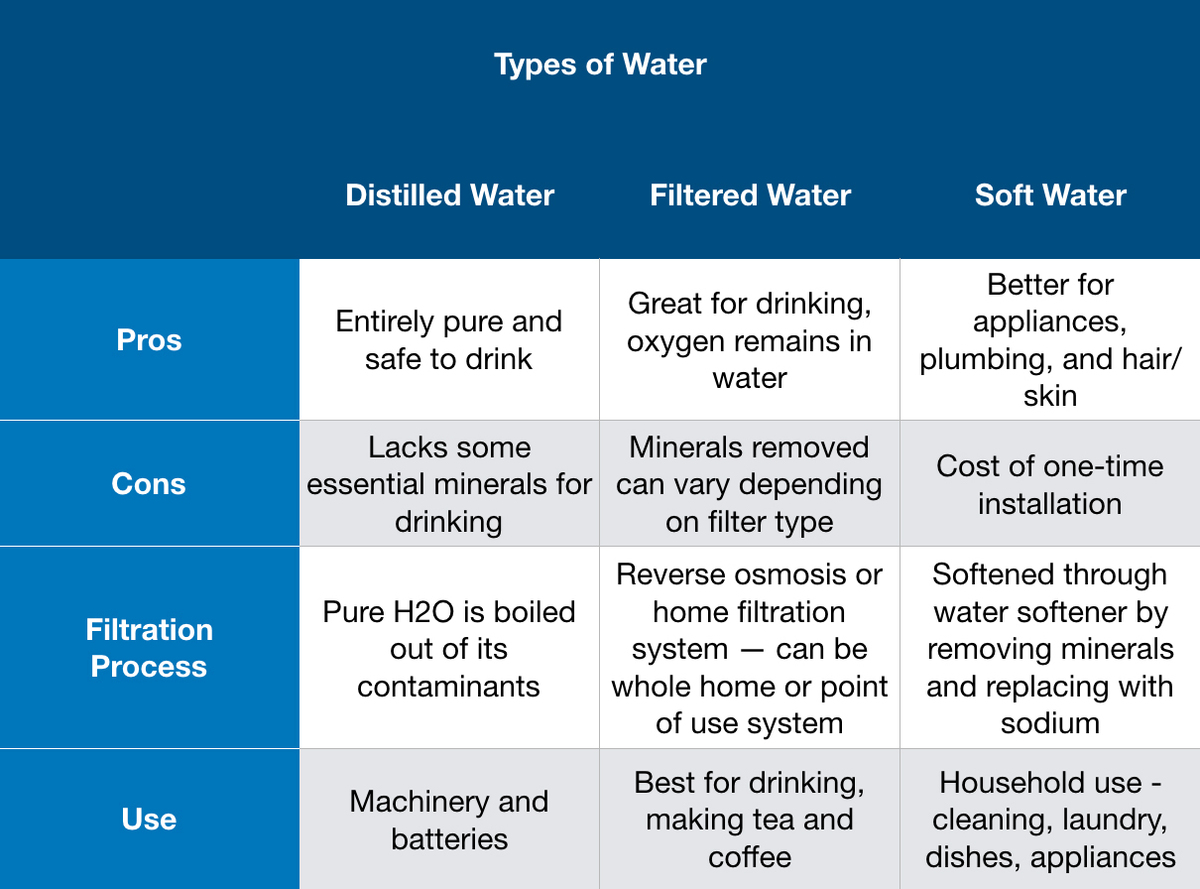 Distilled Water vs Tap Water: Is There a Difference? — WaterSmart
Also, a quick thought: distilled water is not magic. Some folks claim it detoxifies your body, but your liver and kidneys already do that perfectly. That whole “pure water cures everything” thing? Mostly hype. Still, it’s interesting to know that the water you drink from the tap has a wilder, less boring story than the quiet stuff in the jug.
How can you tell them apart?
At home, it’s easy: tap water comes from the tap. Distilled water usually comes in a plastic jug labeled “distilled.” But if you want to be a kitchen scientist, fill a glass of each and let it sit out overnight. Tap water will leave a faint white ring on the glass (that’s the minerals). Distilled water? Crickets. Nothing. It evaporates without a trace.
Or, you know, just taste them. Tap water has that slight “pool” hint from chlorine. Distilled water is like drinking a ghost. You can literally feel the absence. It’s a bit eerie, but in a fascinating way.
So next time you grab a bottle of distilled water or pour yourself a glass from the faucet, smile. You’re holding two very different personalities from the same H₂O family—one is a party with minerals and history, the other is a silent monk who just wants to be left alone. Which one do you pick? That’s the fun part.
