What Is The Difference In Distilled Water And Purified Water

Let’s be honest: most of us grab a bottle of water without giving it a second thought. But have you ever stood in the grocery aisle, staring at a label that says "distilled" a...
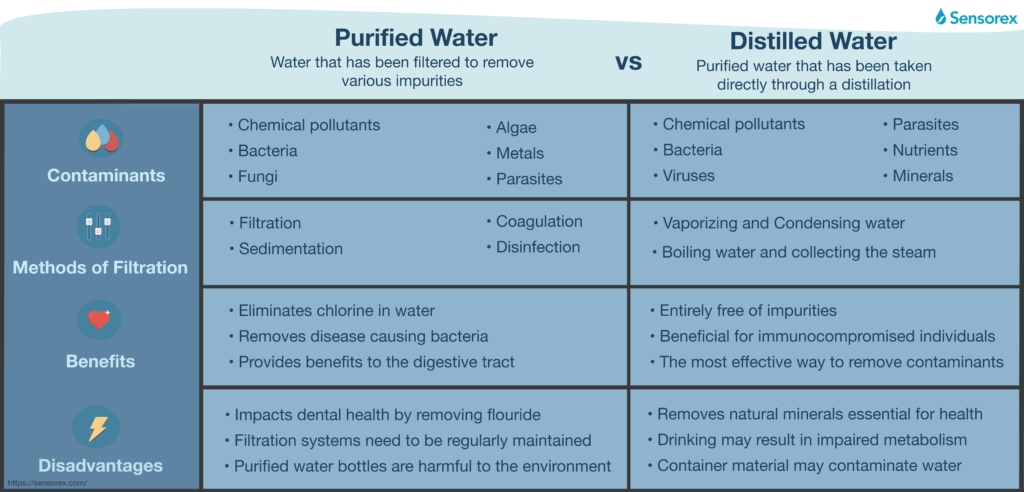
Let’s be honest: most of us grab a bottle of water without giving it a second thought. But have you ever stood in the grocery aisle, staring at a label that says "distilled" and another that says "purified," and wondered, “Is this really different, or is it just fancy marketing?” You’re not alone, and the answer is as simple as it is surprising. Let’s clear the water, so to speak, with a little story.
Think of water like a glass of iced tea you made too strong. You might add a splash of plain water to mellow it out. That’s sort of what purification does—it removes impurities like chemicals, bacteria, and bad tastes, but it keeps the natural minerals in. Distillation, on the other hand, is like boiling that tea into steam and then cooling it back down, leaving everything—including the tea leaves and minerals—behind.
The Simple Science (Without the Headache)
Purified water is any water that has been filtered or treated to remove most contaminants. Common methods include carbon filters, reverse osmosis, or UV light. It’s the water you get from that sleek pitcher in your fridge or from a Brita filter at home.
Must Read
Distilled water is a specific type of purified water, made by boiling water into steam and then condensing it back into liquid. Imagine a kettle whistling on the stove—the steam that rises is pure H2O, while the minerals, salts, and anything else stay in the pot. That steam becomes distilled water.
The biggest practical difference? Minerals. Purified water often still contains calcium, magnesium, and potassium—the stuff that makes water taste crisp and helps your body. Distilled water is completely stripped, like a blank canvas.
Everyday Examples That Make You Smile
So when does this actually matter? Let’s visit your kitchen. You’re making coffee. Use tap water, and you might get a cloudy cup with a hint of chlorine. Use purified water (like from a filter), and your coffee tastes smooth, rich, and delicious. Use distilled water, and your coffee may taste flat, almost like it’s missing something—because it is. Distilled water can actually suck flavor out of your beans!
 Distilled vs. Purified Water: What’s the Difference? – Waterdrop Europe
Now picture your steam iron. You know those annoying white spots that appear on your favorite shirt? That’s mineral build-up from tap or even purified water. Distilled water is the hero here—it leaves no residue, no stains, and no grumpy mornings. Same goes for your car battery or humidifier. In those gadgets, purified water still has minerals that can gum up the works.
But here’s the kicker: drinking distilled water is safe, but not ideal every day. Some people love the ultra-pure taste, but your body needs those tiny mineral friends. Long-term, relying on distilled water might make you miss out on beneficial electrolytes. Purified water, especially with minerals added back, is a better daily companion for hydration.
Why You Should Care (In a Fun Way)
Imagine you’re hosting a dinner party. Would you serve a dish that’s been boiled into oblivion and lost all its flavor? No way! Distilled water is like plain white rice—functional, but not exciting. Purified water is like herb-infused rice—still healthy, but with a little personality.
There’s also the cost and energy factor. Distillation takes a lot of electricity to boil the water, and you lose about half the volume to steam. Purification filters are much cheaper and easier for everyday use. Unless you have a medical reason (like a compromised immune system), you probably don’t need to buy distilled water for drinking.
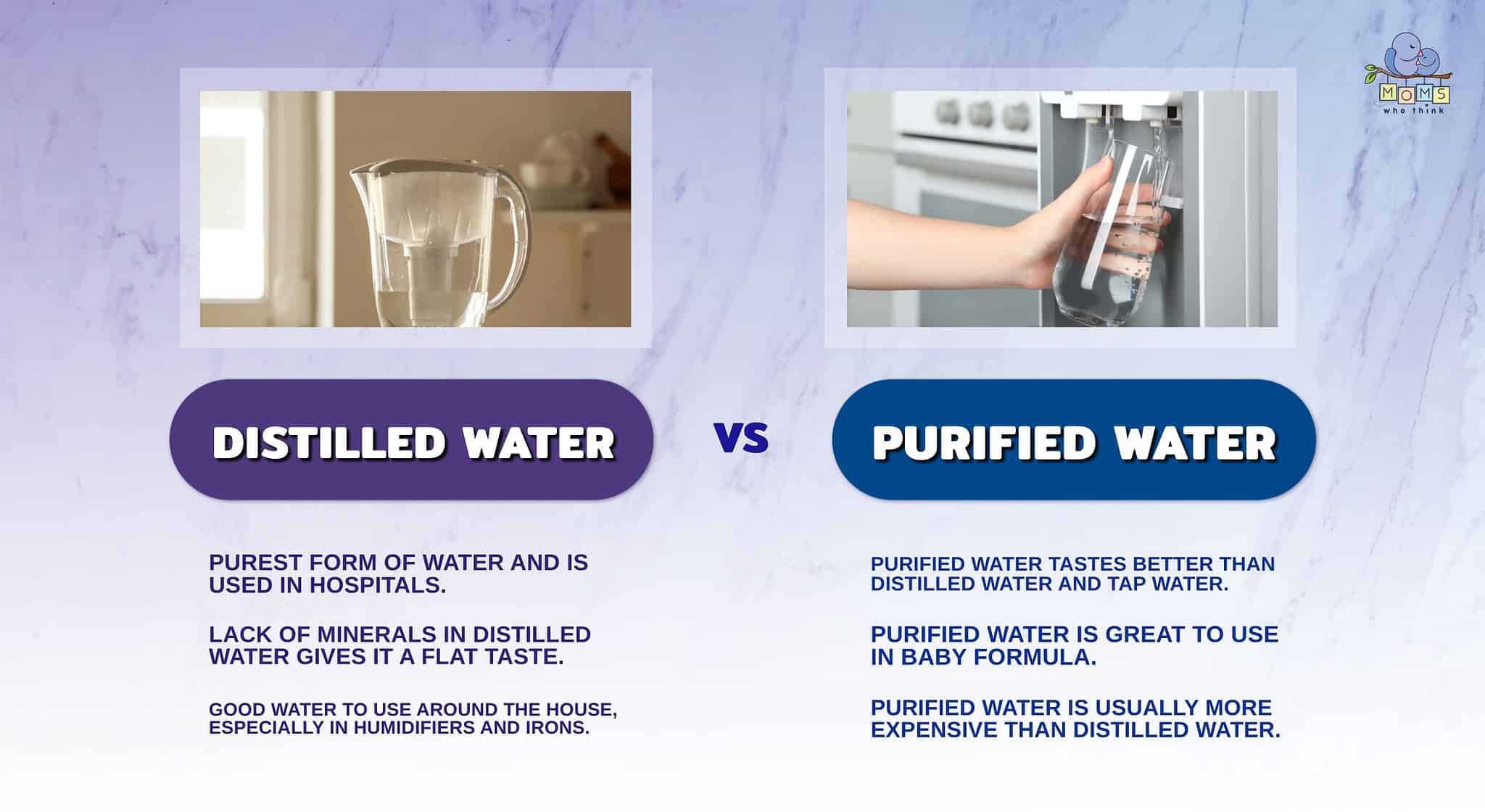 Distilled vs. Purified Water: 4 Differences & Health Benefits
Still not sure? Here’s a quick cheat sheet: Drink purified water—it’s your go-to for taste and health. Use distilled water for your iron, aquarium, CPAP machine, or when you need zero residue. Think of it like choosing between a spa day (purified) and a sterile lab (distilled).
The Bottom Line, Wrapped in a Smile
Let’s be real: you don’t need a chemistry degree to pick the right water. Next time you see those labels, just remember: purified is your friend for drinking, and distilled is your behind-the-scenes helper for appliances. It’s that simple.
And if you ever forget? Just think of your coffee. Purified makes it taste like a hug in a mug. Distilled makes it taste like a regret. Water might be simple, but choosing the right kind can make your day a little smoother—and your clothes a lot cleaner.
So go ahead, take a sip of that filtered water from your fridge. You’re already doing it right. Cheers to staying hydrated, minus the confusion!
