Why Does My Dishwasher Leave White Residue On My Dishes

So there I was, pulling out a sparkling clean wine glass from the dishwasher—or so I thought. I held it up to the light, admiring the shine, and then BAM. A crusty, white dust...

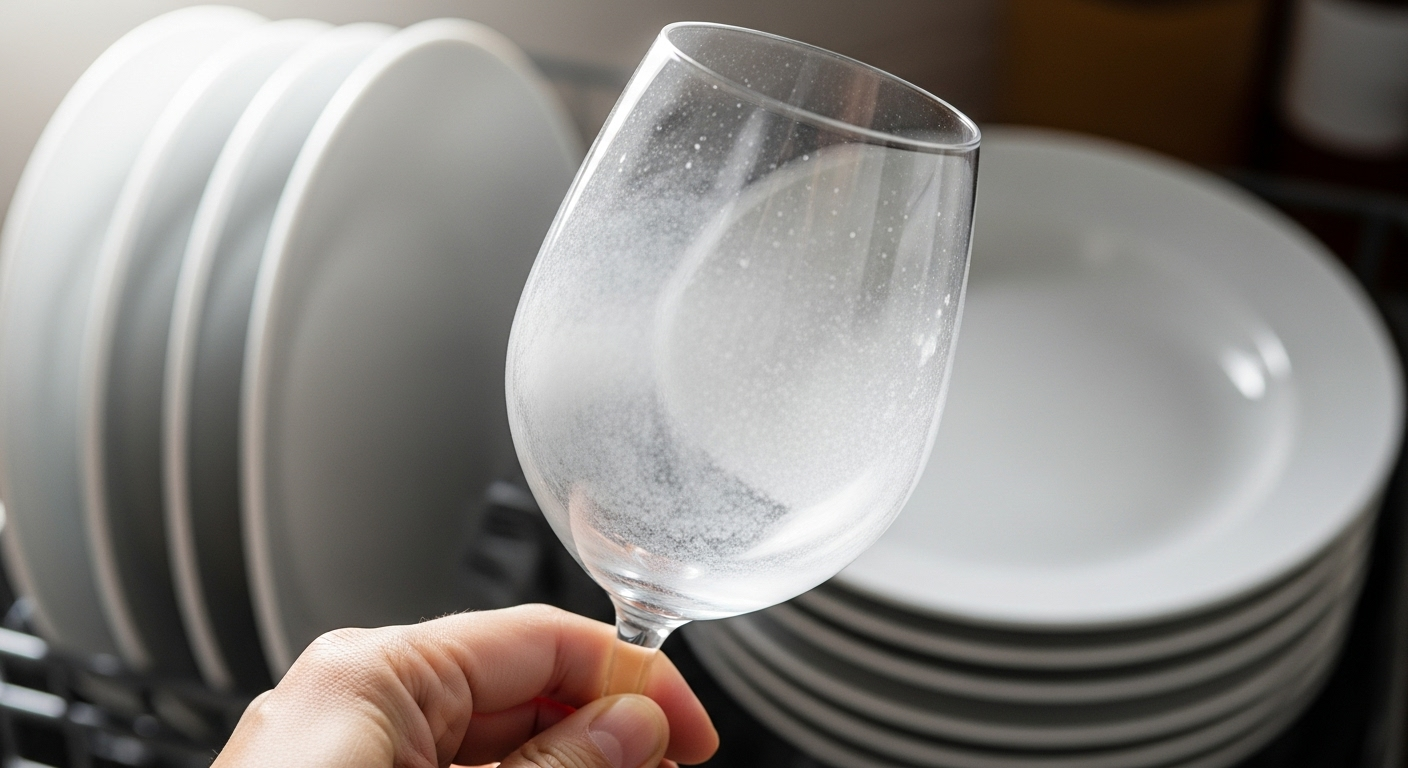
So there I was, pulling out a sparkling clean wine glass from the dishwasher—or so I thought. I held it up to the light, admiring the shine, and then BAM. A crusty, white dusting covered the entire bowl, like a powdered sugar disaster. I stood there, glass in hand, wondering if my dishes had just been to a rave without me.
If you’ve been there too (and let’s be honest, who hasn’t?), you know the frustration. It’s that moment you realize your “clean” dishes are actually wearing a ghostly film. The culprit? Hard water—the mineral-heavy enemy that leaves behind calcium and magnesium deposits.
Think of your dishwasher as a tiny, hot washing machine for your plates. When water evaporates during the drying cycle, those minerals don’t vanish into thin air—they stay glued to your glassware. Yes, it’s science, but the annoying kind.
Must Read
The Usual Suspects (And Yes, You’re Guilty Too)
First up: your water quality. If you live anywhere with hard tap water (like most of the Midwest or parts of Europe), this is your number one foe. But here’s the kicker—your detergent might be part of the problem.
Too much detergent creates a chemical fog that doesn’t rinse away completely. Too little, and the minerals run free. It’s a Goldilocks situation, and your dishwasher is not a fairy tale.
Another sneaky culprit: low wash temperature. If your water isn’t hot enough (think below 120°F or 49°C), the detergent won’t dissolve properly. You’ll end up with a chalky paste on your plates instead of a clean rinse.
The “Oops, I Forgot” Checklist
Let’s play a quick game. Did you remember to add rinse aid? If not, raise your hand. Rinse aid is the secret sauce that breaks surface tension, making water slide off dishes instead of clinging and leaving spots.
And how about your dishwasher’s filter? If it’s clogged with food gunk, the spray arms can’t do their job. Water pressure drops, and that white residue becomes a permanent house guest. Clean the filter, friend—it’s gross but worth it.
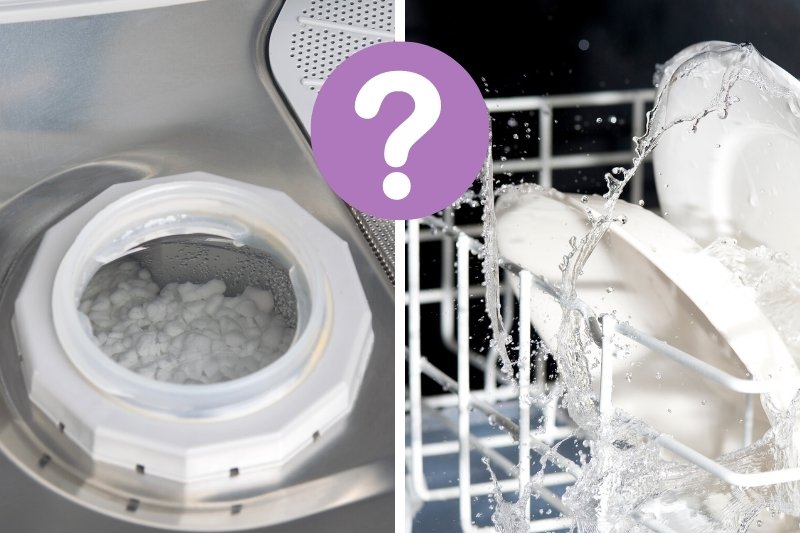 Why Do I Have Water Spots On My Dishes at Wayne Morgan blog
Finally, check your salt compartment if you have a water softener built into your machine. No salt? No soft water. No soft water? More white flakes. It’s that simple.
So, How Do You Kick This Residue to the Curb?
First, test your water hardness. You can buy a cheap strip at any hardware store or online. If it’s high (over 7 grains per gallon), consider a dishwasher water softener or a whole-house system. Yes, it’s an investment, but your glasses will thank you.
Second, cut your detergent in half—seriously. Load it into the main cup only, skip the pre-wash compartment. Run a hot cycle with a cup of white vinegar in the bottom rack instead. Vinegar cuts through mineral buildup like a ninja.
Third, crank up the water heater. Set your home’s water temperature to at least 130°F (54°C). This ensures the dishwasher can dissolve detergent and rinse away minerals. Just be careful—don’t burn yourself on the tap!
When in Doubt, Go Manual
If you’re still seeing white residue after all that, try a citric acid wash. Grab a packet of citric acid (sold as a dishwasher cleaner or in the canning aisle), sprinkle it in the bottom of your empty machine, and run a hot cycle. Do this once a month to descale hidden parts.
 common dishwasher problems solutions Guides | Need a New Dishwasher
Alternatively, buy a specialized dishwasher cleaner like Finish or Affresh. Pop it in, run the cycle, and imagine your machine doing a little happy dance. Spoiler: it won’t, but your dishes will look better.
Oh, and one more thing—don’t overload the racks. If dishes are touching, water and detergent can’t reach every surface. You’ll get a white spot on that spot. Give your plates some breathing room, okay?
The Bottom Line (No Pun Intended)
That white residue isn’t a sign of a broken dishwasher—it’s a sign of neglected water chemistry or a lazy cleaning habit. Fix the water, tweak the detergent, and clean the filter. Your glasses will go back to sparkling like the stars.
And next time you pull out a wine glass, hold it up to the light with confidence. No rave dust. Just pure, clear glass. You’ve got this.
Now go pour yourself a drink—you’ve earned it after all that science.
