What Is The Difference Between Decaf Coffee And Regular

So, you’re standing in the coffee aisle, staring at two almost-identical bags. One says “Regular,” and the other whispers “Decaf.” What’s the big deal, right? Well, grab a mug...

So, you’re standing in the coffee aisle, staring at two almost-identical bags. One says “Regular,” and the other whispers “Decaf.” What’s the big deal, right? Well, grab a mug (your choice of brew), and let’s untangle this caffeinated mystery together.
The Secret Sauce: Caffeine vs. No Caffeine
The huge difference between regular and decaf is, of course, the caffeine. Regular coffee is like a turbo boost for your brain, while decaf is more of a friendly nudge. Think of it as the difference between a cheetah and a sloth—one is ready to sprint, the other just wants a nap.
But here’s the kicker: decaf isn’t caffeine-free. I know, it’s a total buzzkill (pun intended). The law says decaf can still have about 2 to 5 milligrams of caffeine per cup, compared to regular’s 95 to 200 milligrams. So, you’re not getting zero speed, just way less of it.
Must Read
It’s like ordering a “sugar-free” soda—there’s still a tiny bit of sweetness lurking in there. Unless you’re a caffeine-ometer, you probably won’t even notice the difference.
How Do They Make Decaf, Anyway?
Great question, and the answer involves some wild science. There are three main ways to strip caffeine from beans: the Swiss Water Process, the Direct Solvent Method, and the CO2 method. The Swiss Water Process is the fancy one—they soak the beans in hot water (no chemicals) and then pass it through a charcoal filter. Fancy, right?
Then there’s the Direct Solvent Method, which uses a chemical like methylene chloride or ethyl acetate to dissolve the caffeine. Don’t worry, the chemical is cooked off later, so you’re not sipping paint thinner. Unless you really like the taste of paint thinner? (Please don’t answer that.)
And finally, the CO2 method—this is the James Bond of decaf processes. They use liquid carbon dioxide under high pressure to extract the caffeine. Very cool, very sci-fi, and very expensive.
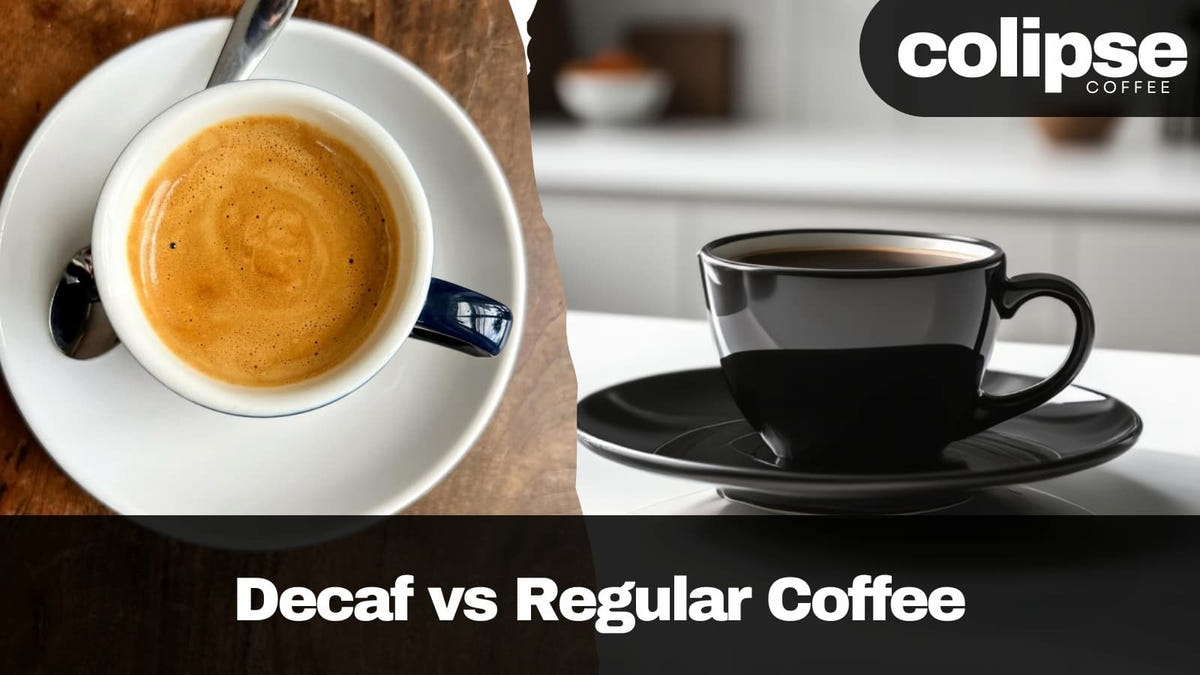 Decaf vs Regular Coffee: What is the Difference? – Colipse
Does Decaf Taste Different?
Honestly? Yes, a little. But it’s not as tragic as you think. Regular coffee has all those lovely oils and flavors intact, while decaf can lose some of its personality during the stripping process. It’s like the difference between a rock concert and a jazz club—both are good, just different vibes.
Good decaf (especially from quality roasters) can taste almost identical to regular. But if you buy the cheap stuff, you might get a flat, cardboard-y cup. Always buy freshly roasted decaf—your taste buds will thank you, and you won’t feel like you’re drinking disappointment.
A fun tip: dark roasts tend to mask the decaf difference better than light roasts. So if you’re making the switch, go for a bold, dark blend. Your mug will be none the wiser.
The “Hype” About Antioxidants
Here’s a fun fact: both regular and decaf contain antioxidants—the good guys that fight off free radicals (the bad guys). Decaf actually keeps about 15% fewer antioxidants, but it’s still a solid choice for your health. So don’t let anyone tell you decaf is a “fake” coffee. It’s not—it’s just coffee on a chill vacation.
And guess what? Decaf is easier on the stomach because caffeine can aggravate acid reflux. So if your tummy gets grumpy after a regular cup, decaf is your gentle friend in a cozy sweater.
 Decaf Coffee vs Regular Coffee: Which Coffee to pick?
When Should You Choose Decaf?
Okay, let’s be real. If you need to survive a morning meeting or drive home after a double shift, grab the regular. But decaf is perfect for: after-dinner drinks, late-night work sessions, or when you’ve already had three cups and your heart is doing the Macarena. Your cardiologist will high-five you.
It’s also a lifesaver for pregnant people or anyone sensitive to caffeine’s jittery side effects. Plus, decaf is the secret weapon for enjoying coffee without having to visit the bathroom every ten minutes. (You’re welcome.)
And here’s a pro tip: mix them! Make a “half-caf” by blending regular and decaf grounds. You get a gentle lift without the over-caffeinated shakes. It’s the Goldilocks of coffee—just right.
The Final Sip: Why It All Matters
To wrap up, the difference between decaf and regular comes down to caffeine content, a bit of processing magic, and a tiny sacrifice in flavor (if you don’t buy quality). But honestly? Both are still beautiful, brown, life-giving elixirs. They’re like siblings: one is the hyper older child and the other is the calm, wise one. You can love them both.
So, whether you choose the vibrant energy of regular or the gentle comfort of decaf, remember this: you’re still part of the coffee club. And that’s delicious no matter what’s in your cup. Brew on, my friend. Brew on.
