How Much Water Should Be In Water Softener Brine Tank

So, you’re staring at your water softener brine tank and wondering, “How much water should actually be in here?” It’s a fair question, my friend. Honestly, it’s one of those t...
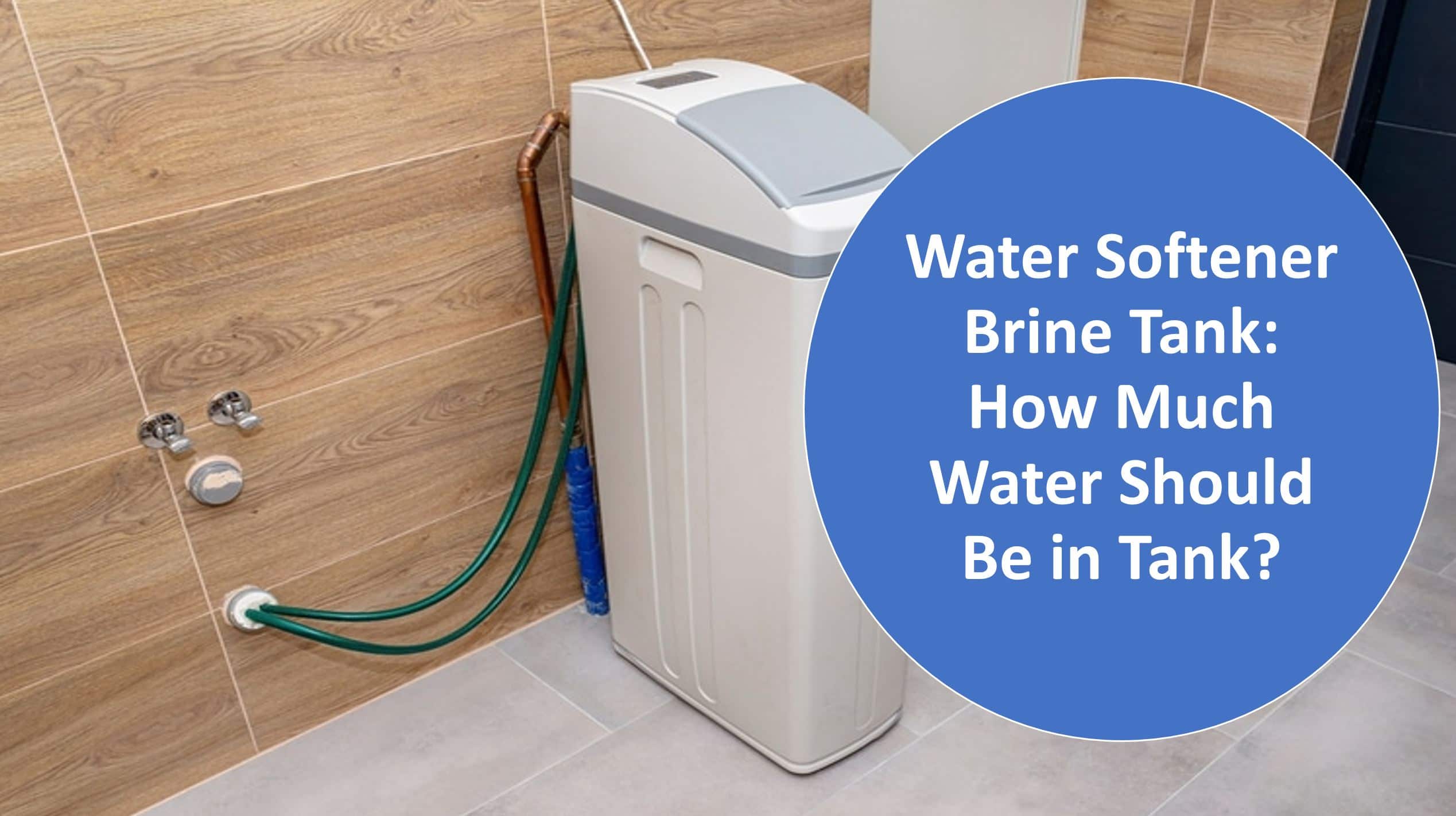
So, you’re staring at your water softener brine tank and wondering, “How much water should actually be in here?” It’s a fair question, my friend. Honestly, it’s one of those things nobody tells you when you buy the thing. You just expect it to work its magic, right?
Let’s be real for a second. The brine tank looks like a mini plastic trash can. And inside? Salt. And water. But too much water can cause problems. Too little? Your softener basically gives up. So let’s fix that confusion over coffee.
The Short, Sweet Answer
Here’s the golden rule: your brine tank should never be full of water. I know, it sounds weird. But the tank is designed to fill only before a regeneration cycle, then drain again. Usually, you’ll see a few inches of water sitting at the bottom.
Must Read
How many inches? Think 6 to 12 inches on average. That’s about the height of a coffee mug. If you see water halfway up the tank, something is off. Time to investigate.
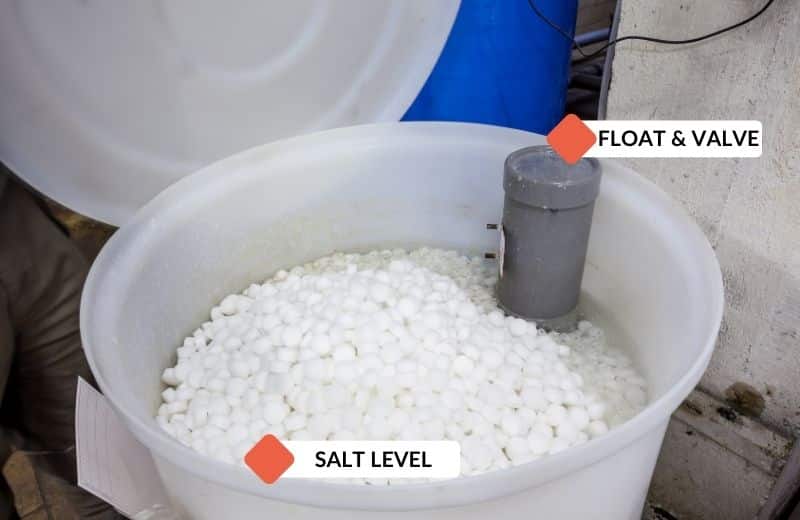
But wait—does that change depending on your salt level? You bet it does. The water level should be slightly below the top of your salt pile. If the salt is high, water might look lower. That’s totally normal.
Why Does It Matter So Much?
Let me paint you a picture. You pour too much water in there—say, half a tank. Now your salt is drowning. It can’t dissolve properly. Your softener gets confused and starts passing hard water into your house. Nobody wants crunchy hair.
On the flip side, if there’s barely any water, the salt sits there dry like a forgotten bag of chips. No brine solution forms. That means no soft water. Your dishes get spotty, and your skin feels like sandpaper. Fun times.
Honestly, this is one of those “Goldilocks” situations. Not too much, not too little. Just right. Your softener is a diva, and it knows what it wants.
But My Tank Seems Empty!
First, don’t panic. Check right after a regeneration cycle. Many tanks have a “dry” period where water disappears. It’s like the tank went on a diet. If you peek in and see only a puddle, that’s usually fine.
 Should There Be Water In My Water Softener Salt Tank at Octavio
Still nervous? Try the float test. Lift the brine tank’s float assembly (gently!). If it moves freely and the water level is below the salt, you’re golden. Pro tip: never guess by sound alone. Tapping the tank tells you nothing, except that you’re a bit weird. In a good way.
When Should You Add Water?
Most modern softeners add water automatically. But if you have an older model—or you just like doing things manually—you might need to help it out. Every few months, add water if the salt is completely dry and the tank looks empty.
Pour in enough water to cover the bottom salt layer. About 2 to 3 gallons usually does the trick. That’s like filling a couple of those big laundry detergent jugs. Easy peasy.
But honestly? Check your manual first. I know, nobody reads manuals. But your softener’s model might have special instructions. Don’t be that person who breaks it because of laziness. You’re better than that.
Signs Your Water Level Is Wrong
Okay, let’s get a little detective-y. Is your salt mushy? Like, soggy potato chip mushy? That means too much water. Your salt is dissolving too fast, and you’re wasting it. Fix that drainage valve.
Hear a weird gurgling sound? That’s your softener saying, “Help! I’m drowning!” Or it might be air in the lines. But definitely investigate. Never ignore a gurgle.
 All in One Cabinet Water Softener 10" x 35" With Inbuilt Brine Tank 16
And the biggest clue: hard water spots on your glassware. That’s your softener screaming for attention. Check the brine tank water level first. I promise, it’s the fix 70% of the time.
Salt Bridges and Other Party Crashers
Here’s a fun one: sometimes salt forms a hard crust inside the tank. It looks like a weird, salty igloo. Water can’t get through, so the level drops. Smash that bridge with a broom handle (gently!). Then add water if needed.
Salt bridges happen when humidity is high. If you live in a swampy area, check your tank monthly. Seriously. Mold, bridges, weird smells—your brine tank can get quirky.
And whatever you do, don’t pour boiling water in there to melt things. I know it sounds smart. It’s not. You’ll crack the plastic and cry. Use warm tap water instead.
The Final Sip of Coffee
Look, you don’t need a PhD in plumbing here. Keep the water below the salt. Keep the salt damp but not swimming. And when in doubt, call the manufacturer’s support line. They’ve heard sillier questions. I once asked if I could use purple salt.
So, next time you walk past that brine tank, give it a confident nod. You know the deal now. Six inches, no drama. Your water will be soft, your shower will be silky, and you’ll feel like a water-softening wizard. Go forth and soften, my friend.
