What Is The Difference Between Hard And Soft Water

Have you ever noticed that your hair feels a little squeaky after a shower, or that your dishes come out of the dishwasher looking spotty? Or maybe you’ve had to scrub a ring...

Have you ever noticed that your hair feels a little squeaky after a shower, or that your dishes come out of the dishwasher looking spotty? Or maybe you’ve had to scrub a ring of white crust off your coffee pot? That’s your water trying to tell you something. It’s deciding whether it’s a “hard” water or a “soft” water kind of day.
Let’s get real: water isn’t just water. It’s more like a traveling cocktail, picking up minerals as it journeys through the ground. When it passes through lots of chalk, limestone, or gypsum, it grabs calcium and magnesium. That’s hard water. If it flows through granite or sandstone, it doesn’t pick up those minerals, leaving us with soft water.
Think of hard water as that friend who brings their entire hiking backpack to a picnic. It’s packed with extra stuff (minerals) it just can’t leave behind. Soft water is the minimalist pal who shows up with just a bottle of water and a smile.
Must Read
How to spot hard water in your own life
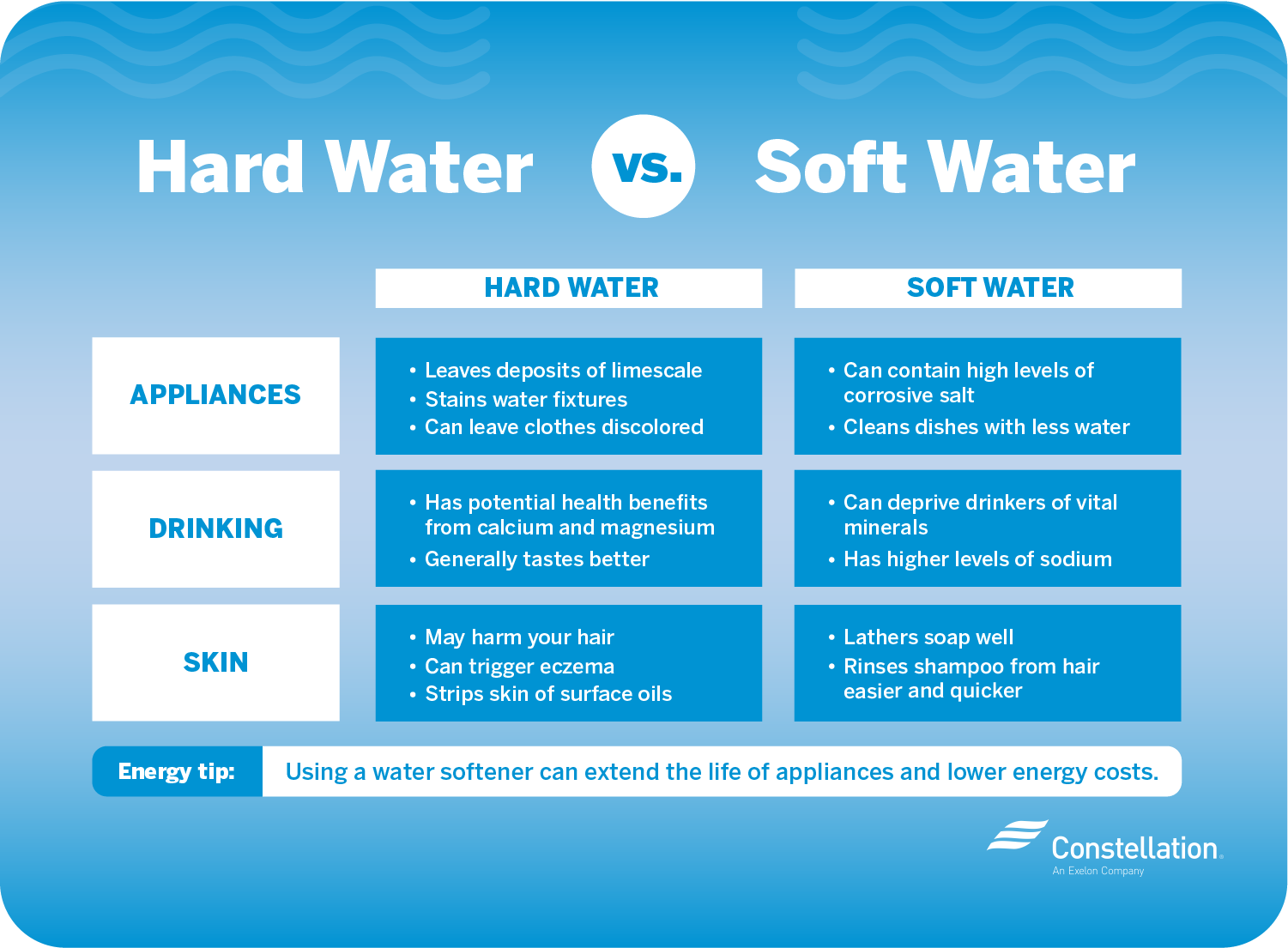
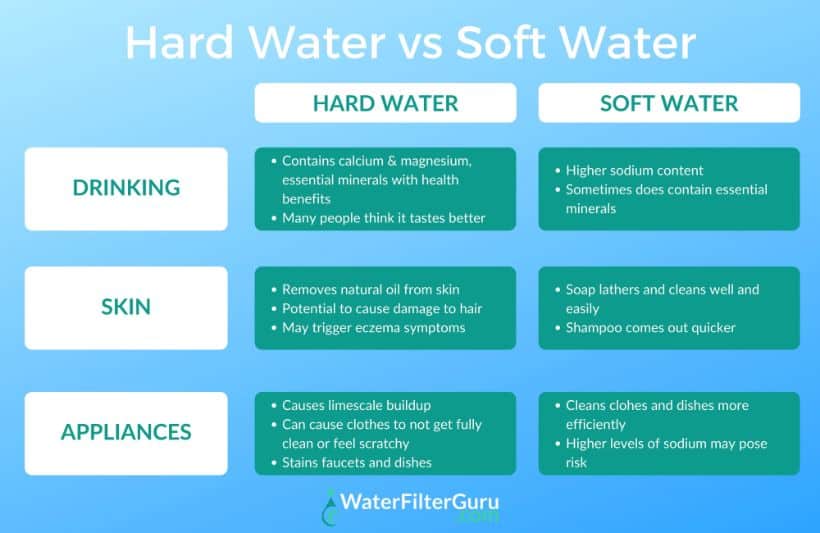
You’ll notice hard water the moment you turn on the faucet. That film on your freshly washed glasses? That’s hard water’s calling card. Soap doesn’t lather well with it, which is why you might use twice as much shampoo and still feel like your hair has a weird, sticky residue.
Ever wonder why your towels feel a bit stiff and scratchy after a few washes? That’s not the fabric softener’s fault. It’s the minerals bonding with the fibers, making them less fluffy. Your skin might feel dry and itchy, too, because the soap scum doesn’t rinse off completely.
Real talk: about 85% of homes in the United States have hard water. If your coffee maker looks dusty inside, or you’re constantly buying new kettle descalers, you’re in the club. It’s not dangerous, but it is annoying—like a song stuck in your head for weeks.
The gentle, squeaky-clean world of soft water
Soft water is like the VIP pass for your plumbing. When you wash your hands with it, the soap lathers up into a rich, fluffy cloud. Your dishes come out of the dishwasher looking like they just got a spa treatment—no spots, no haze, no fuss.
Your hair? It feels silky and manageable, and you use way less conditioner. Your skin feels smooth without needing ten squirts of lotion. It’s the difference between walking on a sandy beach (hard) versus walking on a fluffy rug (soft). Once you try soft water, you’ll never want to go back—it’s like upgrading your whole house.
 Hard vs. Soft Water: Which Is Better? | Constellation
But here’s the funny thing: soft water can feel a little “slippery” when you wash your hands. That’s because the soap lathers so well, it’s harder to rinse off. Don’t worry, that sensation is actually the sign of a very clean, very happy household. It just takes some getting used to.
Why you should actually care (beyond the hair drama)
Hard water isn’t just a nuisance for your morning shower. It’s a secret enemy of your appliances. That white scale buildup? It clogs your pipes, ruins your water heater, and makes your washing machine work twice as hard. Over time, it can cut an appliance’s life in half—ouch.
Think of hard water minerals as tiny little vandals. They hang out in your plumbing, throwing tiny block parties that cost you energy bills. A water heater with heavy scale may use up to 20% more energy just to heat the same amount of water. That’s like paying for a full tank of gas but only driving half the distance.
For homeowners, the big draw of soft water is protection. It keeps your pipes and machines running efficiently. Plus, you use less soap, less detergent, and less shampoo. That’s money back in your pocket, and who doesn’t love a bit of extra cash for a coffee treat?
A simple test to know what you’ve got
You don’t need a science degree to figure this out. Fill a clear bottle halfway with tap water. Add a few drops of pure liquid dish soap (no lemon or degreaser), then shake it like a snow globe. If the water gets all sudsy and bubbly, it’s soft. If it stays cloudy and flat, with just a few weak bubbles, it’s hard.
 Soft Water Vs. Hard Water : Hard Water and Soft Water – CIMEKD
Another giveaway? Look at your faucets. White crusty deposits around the spout? Hard water. Clean, shiny metal that stays clean? Probably soft. It’s honestly like being a detective in your own kitchen—and the clues are everywhere.
Some people even say hard water makes their tea taste “metallic.” Soft water, on the other hand, can make coffee and tea taste fuller and one percent more delicious. Every little win counts, right?
The final friendly verdict
Neither hard nor soft water is “bad” for you. They’re both safe to drink (though some prefer the mineral taste of hard water). The difference is really about convenience, comfort, and cost. Hard water is tough on your home, soft water is easy on your skin.
If you’re tired of spotty dishes, dry legs, and a coffee maker that looks like a science experiment, you might want to look into a water softener. It’s a simple change that makes your whole house feel a little more pampered. But if you don’t mind the occasional scrub? No sweat—your hard water is just doing its thing.
So next time you see a white ring on your sink, just smile. You now know the secret of the water running through your pipes. It’s either a mineral-packed adventurer or a gentle, bubbly friend. Either way, you’re in charge of how your day goes—hard or soft.
