How Much Is A Water Filtration System For A House

Let’s be real for a second: how often do you think about the water coming out of your tap? Probably about as often as you think about your left big toe—which is to say, almost...

Let’s be real for a second: how often do you think about the water coming out of your tap? Probably about as often as you think about your left big toe—which is to say, almost never. But here’s the kicker: that water might be carrying chlorine, lead, or hard minerals that are quietly ruining your morning coffee and your favorite kettle. The good news? You can fix it with a water filtration system—and the price tag might surprise you (in a good way!).
So, How Much Are We Talking?
First off, let’s tackle the big question head-on: how much is a water filtration system for a house? The answer ranges from a cool $100 to about $4,000, depending on what kind of fancy water life you want. That’s a wide range, I know—but think of it like buying a car: you can get a zippy little scooter or a luxury SUV for your faucet.
On the low end, a pitcher filter (like Brita) costs around $20–$40, but let’s be honest—that’s not really a “house system,” that’s a glorified plastic jug. For a whole-house solution, you’re looking at $200 to $1,000 for a basic sediment or carbon filter setup. Mid-range systems that remove chlorine, bad tastes, and some heavy metals run $600 to $1,500—installed. And if you want the Rolls-Royce of water—reverse osmosis with a tank, UV light, and fancy faucet—you’ll drop $1,500 to $4,000.
Must Read
Why Your Wallet Might Actually Thank You
Here’s the fun part: a water filter saves you money over time. Stop buying bottled water—you know, the stuff that costs more per gallon than gasoline and comes in plastic that screams “I hate the planet.” A typical family of four spends $500–$1,200 a year on bottled water. Your $1,000 whole-house filter pays for itself in 1–2 years. That’s math even I can get behind.
And let’s not forget your appliances: hard water is a silent assassin. It clogs your dishwasher, scales your water heater, and turns your showerhead into a white, crusty mess. A $500 softener can extend the life of your washing machine by 50%—which means more money for pizza and less for plumbers. See? Financial genius.
 How Much Does a Whole House Water Filtration System Cost?
What Makes the Price Jump? (The Nerdy Stuff Made Simple)
The cost depends mostly on what you’re trying to remove and how much water you need filtered. A basic carbon filter ($200–$500) handles bad tastes and smells—great for city water. A reverse osmosis system ($500–$2,000) is the nuclear option for removing arsenic, nitrates, and even pharmaceuticals. And if you have well water? You might need a UV purifier ($400–$1,200) to blast bacteria into oblivion. It’s like a tiny science lab under your sink—and that’s awesome.
Another factor: DIY vs. pro installation. Hiring a plumber adds $200–$600, but honestly, many countertop or faucet-mounted filters take 10 minutes to install. You can do it while wearing pajamas. Even whole-house systems are often just a “cut a pipe, twist on a canister” job. YouTube is your friend here—seriously.
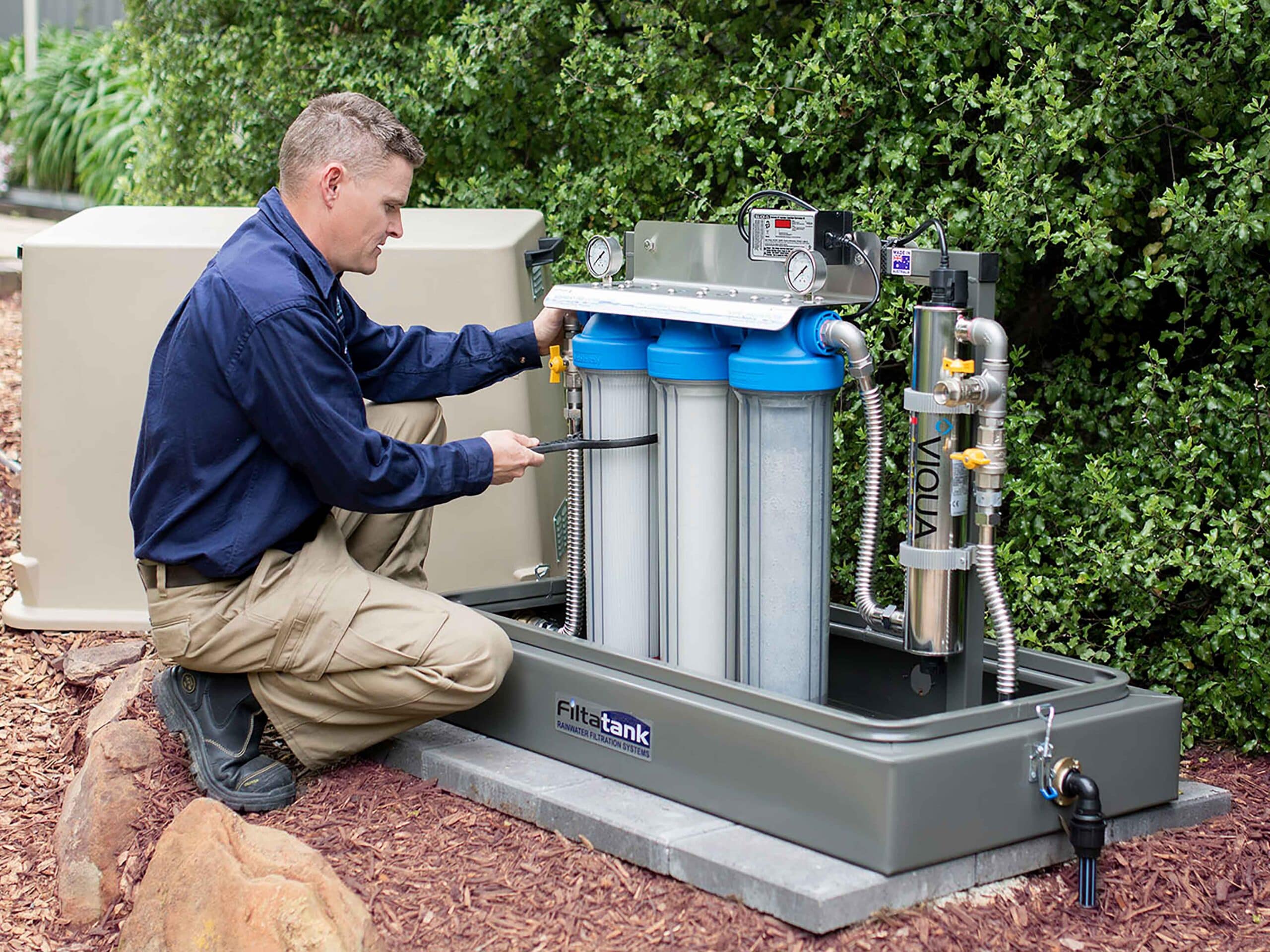 Household Water Filtration System What Is The Role Of Filtration In
But What About Maintenance? (Don’t Panic)
Filters need replacing about every 3–12 months, which costs $30–$150 a year. That’s less than one dinner out. Most modern systems have LED indicators or smart apps that yell at you when it’s time. So unless you’re living in a cave, you’ll remember. And trust me—tasting that first glass of crisp, clean water after a filter swap? It’s a tiny victory dance in your kitchen.
Ready for the Uplifting Part?
Here’s the beautiful truth: you don’t need a PhD in plumbing to have amazing water. You don’t need to spend a fortune. Start small: a $30 faucet filter can make your tap taste like a mountain spring. Fall in love with that feeling, and then maybe upgrade to a whole-house system that makes every shower smell like a rain forest. The journey is the fun part.
And remember this: every time you take a sip of filtered water, you’re making a choice—to be healthier, to save money, to protect your home, and to just feel a little bit more in control of your life. That’s pretty cool for a simple tube of carbon and plastic, right? So go ahead, click that “learn more” button. Your future self—hydrated, happy, and appliance-saving—is already cheering you on.
