Why Do I Keep Throwing Up After Drinking Alcohol

So, you’ve had a few drinks, the room is spinning like a carnival ride operated by a drunk octopus, and now you’re face-down in the porcelain throne, wondering, "Why does my b...
So, you’ve had a few drinks, the room is spinning like a carnival ride operated by a drunk octopus, and now you’re face-down in the porcelain throne, wondering, "Why does my body hate me this much?" Welcome to the club. You’re not alone, and the answer is more chaotically hilarious than you think.
Your Liver is a Drama Queen
When you chug alcohol, your liver drops everything—like a teenager ignoring chores—to process it. It uses an enzyme called alcohol dehydrogenase to break the booze into acetaldehyde, a toxic party crasher your body despises. Think of acetaldehyde as that friend who shows up uninvited, knocks over a lamp, and screams in your ear.
Your brain sees this chemical mess and panics: "INTRUDER! EVACUATE THE STOMACH!" So it signals the vomit button, often before you’ve even hit the fun part of the night. Surprising fact: your liver can only process about one drink per hour; after that, it’s just drowning in chaos.
Must Read
Your Stomach is a Bouncer with Bad Judgment
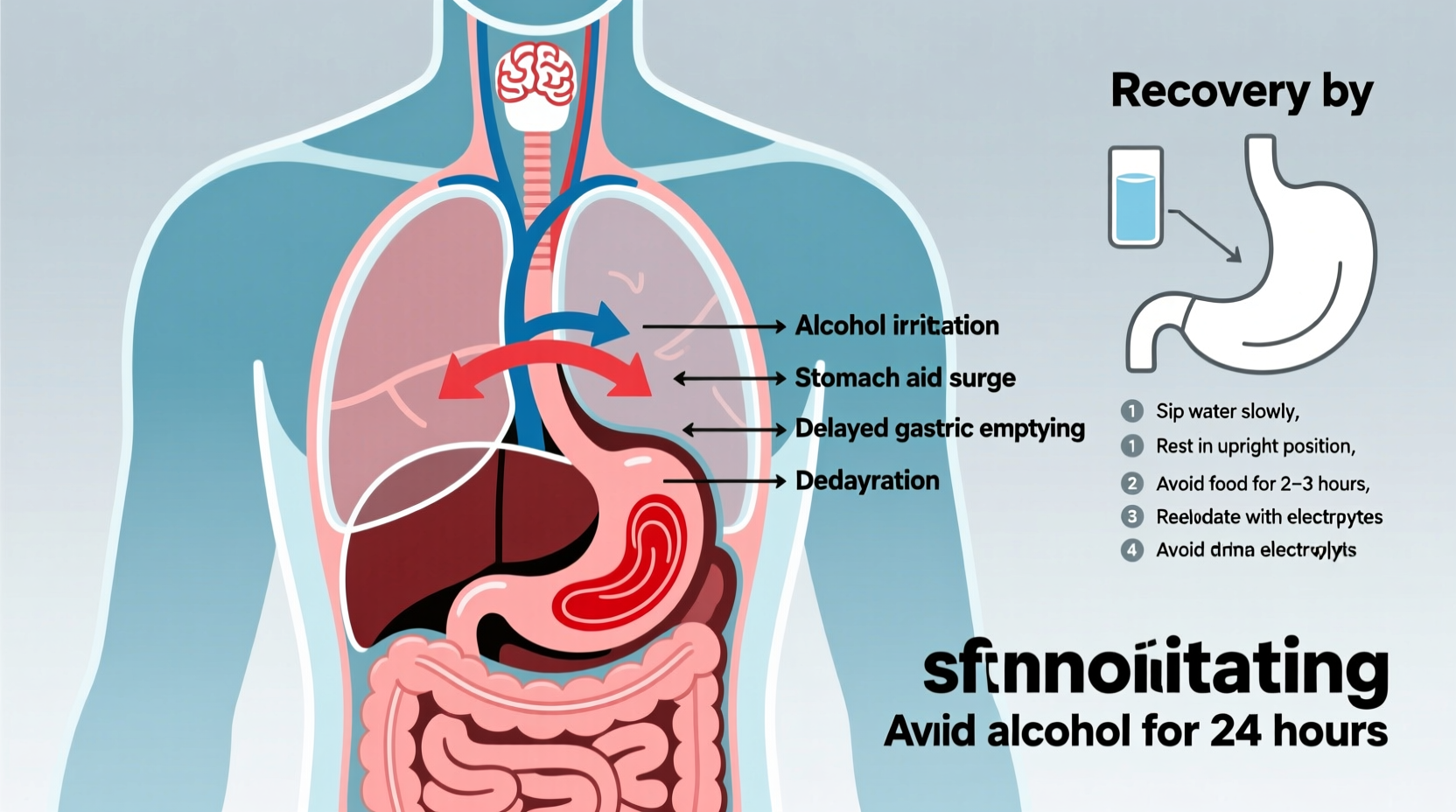
Alcohol is a direct irritant to your stomach lining—it’s basically chemical warfare on your gut. That lining gets inflamed, swollen, and angry, like a bouncer who’s been punched one too many times. The result? Your stomach says, "Nope, I’m tossing everything out."
But here’s the kicker: the alcohol concentration matters more than the volume. Straight whiskey is a sleeping dragon compared to beer, which is more like a grumpy cat. Mixing sugary drinks? Congrats, you’ve just created a fizzy, acidic nightmare that kicks off the heave-fest earlier.
The Brain-Gut Conspiracy
Your brain and gut are in a constant texting argument during a binge. Alcohol messes with your inner ear’s balance system (the vestibular apparatus), making you feel like you’re on a boat in a hurricane. Your gut sees the spinning world and thinks you’ve been poisoned—so it activates the reverse peristalsis trick.
That’s the medical term for "your stomach muscles contract in reverse, hurling everything upward like a volcano spewing regret." It’s surprisingly efficient, even if it feels like a betrayal. Fun fact: the vomit reflex is so primal that even dogs and cats do it—except they’re not crying about their ex while doing it.
The "Empty Stomach" Trap
Drinking on an empty stomach is like inviting a bull into a china shop and being shocked when everything breaks. Without food to slow absorption, alcohol hits your bloodstream at lightning speed. Your body interprets this as a severe threat and activates the ejection seat mechanism.
 Why Vomiting After Alcohol at Ted William blog
Eating fatty foods (think cheese pizza, not celery sticks) can help delay the disaster. But even then, if you overdo it, your stomach is a ticking time bomb. And no, a bag of chips doesn’t count—your stomach knows the difference between actual food and a sad, salty lie.
The Dehydration Factor
Alcohol is a diuretic, which is a fancy way of saying it steals water from your body and sends it straight to your bladder. Dehydration thickens your blood, making your heart work harder, which triggers more nausea. You end up in a loop: drink, pee, vomit, repeat.
Surprising fact: dark liquors like whiskey and bourbon contain more congeners (chemical byproducts) than clear ones, which means they’re more likely to make you puke. It’s not your fault—it’s the booze’s dirty little secrets.
Why the "Hangover Puke" is Different
The next-morning vomit is a whole new beast. Your body is cleaning house after the acetaldehyde party that trashed the place. Plus, your blood sugar has crashed, your electrolytes are in chaos, and your brain is screaming for water.
That dry heaving? It’s your body’s version of a reset button—unpleasant but necessary. Some scientists believe puking helps remove any remaining alcohol that’s still marinating in your stomach, like a self-flushing toilet. Gross, but true.
 Why Alcohol Triggers Nausea: Understanding Post-Drinking Vomiting
The "One Too Many" Myth
You might think, "If I puke, I’m probably not that drunk," but that’s a dangerous lie. Vomiting doesn’t mean you’re sober—alcohol is already in your bloodstream. It just means your body hit the emergency brake while the train was still moving.
In fact, puking doesn’t reduce your blood alcohol level significantly. It’s more like reneging on a promise you already made to the evening. Your liver still has to process the damage, so you’re stuck with the regret and the headache.
How to Avoid Becoming a Human Fountain
Pace yourself: one drink per hour, with a glass of water in between. That’s not boring—that’s strategic survival. Eat a proper meal before drinking, and avoid carbonated mixers—they speed up alcohol absorption like gasoline on a fire.
And please, listen to your body. If it’s whispering "slow down" and you tell it to shut up, it will turn into a screaming banshee later. Respect the scream. You’ll thank me—and so will your toilet.
So next time you’re hugging the porcelain throne, remember: your body is not trying to ruin your night. It’s just a well-meaning, overenthusiastic cleanup crew with terrible timing. And hey, at least now you know the science behind the disaster. Cheers… carefully.
