How To Tell If You Have A Water Leak Underground

Okay, friend, let’s talk about something that’s basically the plumbing equivalent of a horror movie you can’t see. You think everything’s fine, but somewhere underground, wate...
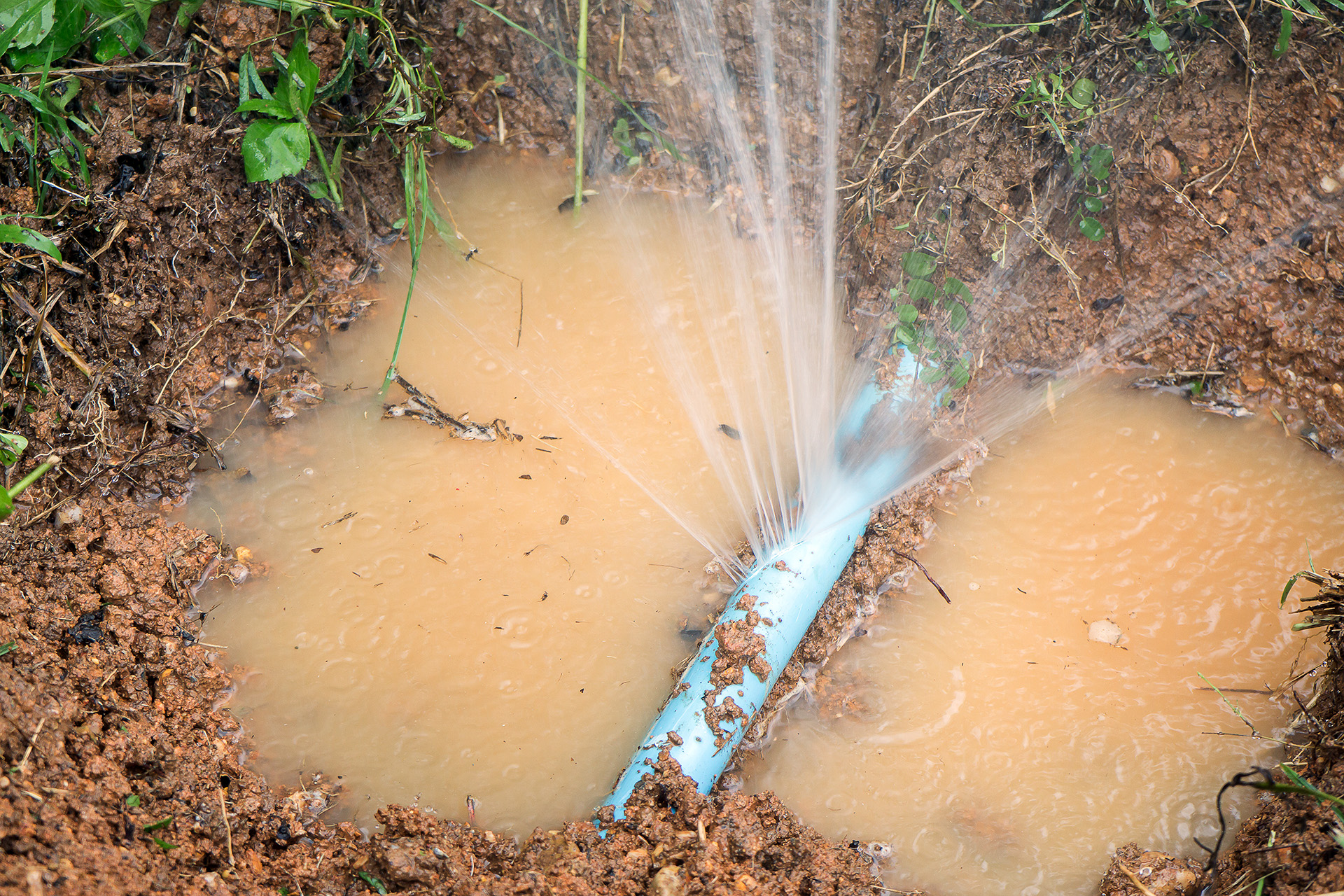
Okay, friend, let’s talk about something that’s basically the plumbing equivalent of a horror movie you can’t see. You think everything’s fine, but somewhere underground, water is staging a quiet escape. Unlike a dripping faucet, a hidden leak won’t yell at you—it’ll just drain your wallet and sanity.
So, how do you catch an underground water leak before it becomes a backyard swamp? Let’s play detective. Grab your coffee, and I’ll tell you the signs.
Your Water Bill Goes Super Saiyan
First, the biggest clue is often the most boring: your water bill. If it jumps 20%, 50%, or more—and you haven’t suddenly started watering a secret rainforest—something’s wrong. A leak can waste thousands of gallons a month. Your wallet is screaming.
Must Read
Check your bill’s historical usage. Compare this month to last year. If it’s weirdly high, don’t blame the kids for taking long showers. A steady, unexplained increase is the leak’s calling card.
Listen for the Drip… That Isn’t There
Go outside when everything is quiet—like, 2 AM quiet. Press your ear to the ground near your main water line (where it enters your house). Hear a hissing or trickling sound? That’s not ambient noise; that’s money disappearing into the dirt.
Or, my favorite trick: turn off all your faucets, toilets, and the washing machine. Then check your water meter. If that little dial is still spinning like a DJ at a rave, you’ve got a leak. It’s not a ghost. It’s physics.
Your Yard Looks Like a Swamp (Or a Sinkhole)
This one is harder to miss. If you step in your grass and it squishes like a wet sponge—even after days without rain—congratulations, you might have a leak. Soft, mushy ground isn't a natural feature. It’s a cry for help.
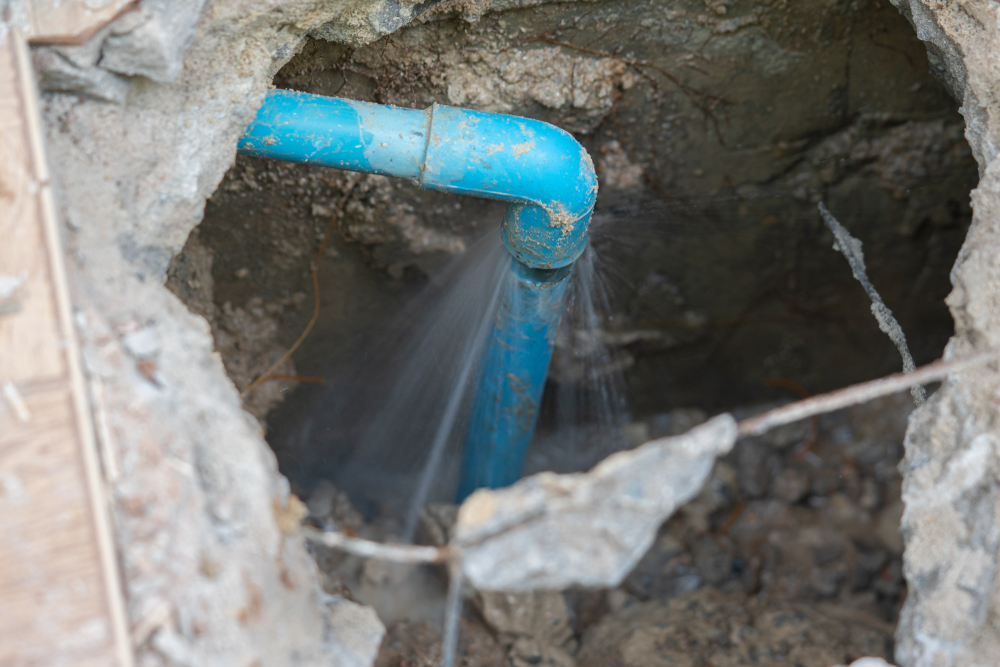 How to Find a Water Leak Underground Quickly • strongeru.com
Watch for unusually green patches of grass. Leaking water is like super-fertilizer. If one section of your lawn looks like a golf course while the rest is crispy, the leak is feeding that one spot. Also, look for cracks. Cracks in your driveway, patio, or foundation that appear suddenly? That’s the ground swelling from all that hidden water.
The Smell Test (Gross, But Useful)
Sometimes, you don’t even need to look—you just need to sniff. If you smell sewage or a funky, musty odor near your yard, it could be a sewer line leak. Yes, your poop is trying to join the garden party. Not cool.
And, um, low water pressure? If your shower suddenly feels like a sad drizzle, but your neighbor’s is fine, a leak is stealing your flow. It’s like someone is drinking your water through a straw underground.
The Pool Test (No, Not That Kind)
Here’s a wild one. Check your water meter. Then, for one hour, don’t use ANY water. No flushing, no washing hands, no ice maker. Go stare at the meter. If the reading changes by even a tiny amount, that’s your leak. It’s irrefutable proof.
Another party trick? Turn off the main valve to your house. If your meter stops spinning immediately, the leak is inside your home. If it keeps spinning, the leak is underground, between the street and your house. Now you know where to start digging—or, better yet, where to point the plumber.
 Outstanding Tips About How To Detect A Water Leak - Securityquarter28
Don’t Ignore the Hot Spots
Feel for warm patches in your concrete floor or driveway. If you have a hot water line underground and it leaks, it’ll warm the ground above it. You might think it’s a sunbeam, but no—it’s a hot water geyser pretending to be a puddle.
Also, check your water heater. If it’s running constantly, trying to keep up with a phantom demand, that’s another sign. Your system is working overtime because water is slipping away, like sand through a sieve.
When in Doubt, Call a Pro (Seriously)
Look, I love a good DIY mystery, but underground leaks are the boss level. You can’t fix them with duct tape and good intentions. Professional leak detection uses fancy gear—microphones, thermal cameras, even gas tracers. They’ll find the leak without turning your yard into the Grand Canyon.
Ignoring it is the worst idea. A tiny leak now can erode your foundation, attract termites (they love damp wood), or create a sinkhole your car could vanish into. Playful exaggeration? Slightly. But also true.
So, friend, if you see a suspiciously happy patch of grass, hear a hiss where there should be silence, or watch your water meter spin like a top, don’t wait. That’s your home whispering—“I have a secret.” And it’s not a fun secret. It’s a wet one.
