How Long Does It Take Salt To Dissolve In Water

You’re standing at the stove, a pot of water bubbling away, and you toss in a pinch of salt. Then you wonder: how long is this going to take? It’s a tiny, everyday question, b...
You’re standing at the stove, a pot of water bubbling away, and you toss in a pinch of salt. Then you wonder: how long is this going to take? It’s a tiny, everyday question, but it’s sneakier than it looks. Let’s get into the simple, squishy science of salt dissolving, and why it actually matters for your pasta, your pickles, and your sanity.
The short answer: it depends — mostly on water temperature. Drop a teaspoon of table salt into a glass of ice-cold tap water, and you’ll be watching those grains linger for a good 30 to 60 seconds before they vanish. Same salt in hot water? You’re looking at 10 to 15 seconds, tops. It’s like the difference between a slow hug and a speedy handshake.
Hot Water Is Your Speedy Friend
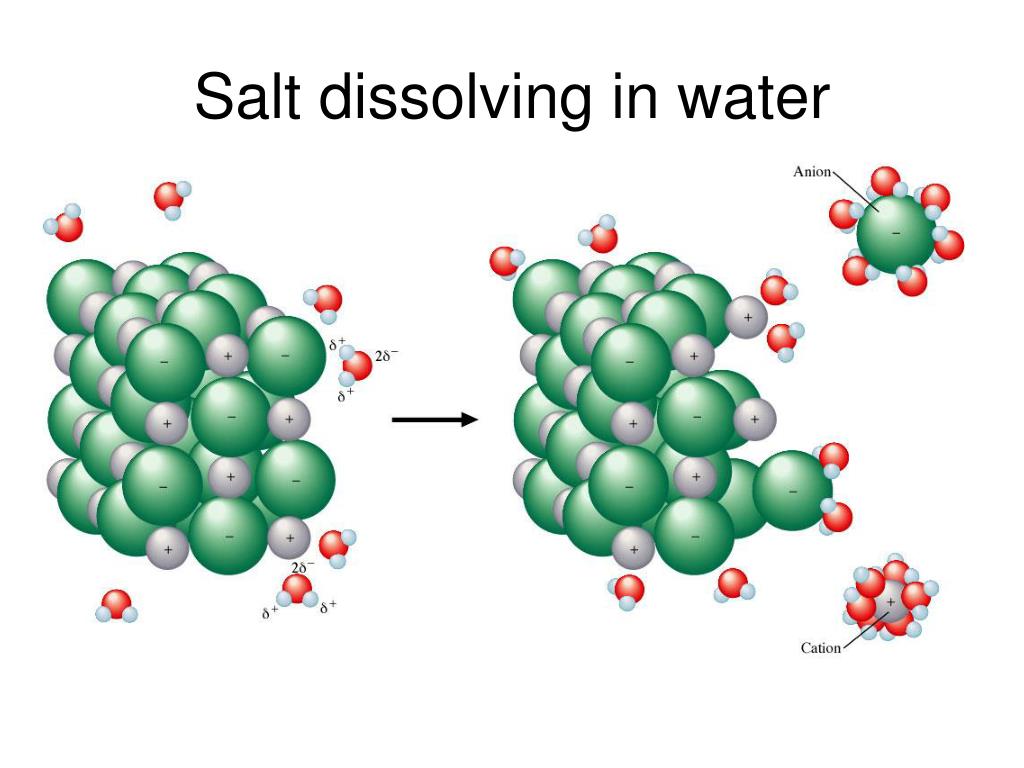
Heat gets molecules moving. In hot water, the H₂O molecules jiggle and dance faster, which means they can separate the sodium and chloride ions from each salt crystal much quicker. Imagine a crowded dance floor: warm water is a mosh pit where everyone is bouncing, and salt is a clumsy dancer trying to get through. Cold water is that same dance floor, but everyone is half-asleep.
Must Read
So if you’re in a rush — say, salting water for instant ramen — use the hottest tap water you can safely run. It’s not just faster; it feels like a little victory. But don’t boil it just for the salt; that wastes energy. Just warm enough to make the salt disappear in a blink.
Don’t Forget the Stir
Stirring is like adding a personal cheerleader. A quick swirl of the spoon cuts the dissolve time by more than half. Think about when you’re making lemonade: you stir the sugar until you can’t hear that tiny grinding sound anymore. Same with salt. One lazy stir in warm water, and the salt is gone in five seconds flat.
But if you’re feeling really impatient, you can crush the salt into smaller grains first. Coarse kosher salt takes longer — maybe a full minute in cold water — because it has less surface area for the water to grab. Table salt is already tiny, so it’s your best bet for speed. Your grandma’s giant rock salt? That’s a whole different story — let that soak for a few minutes while you chop veg.
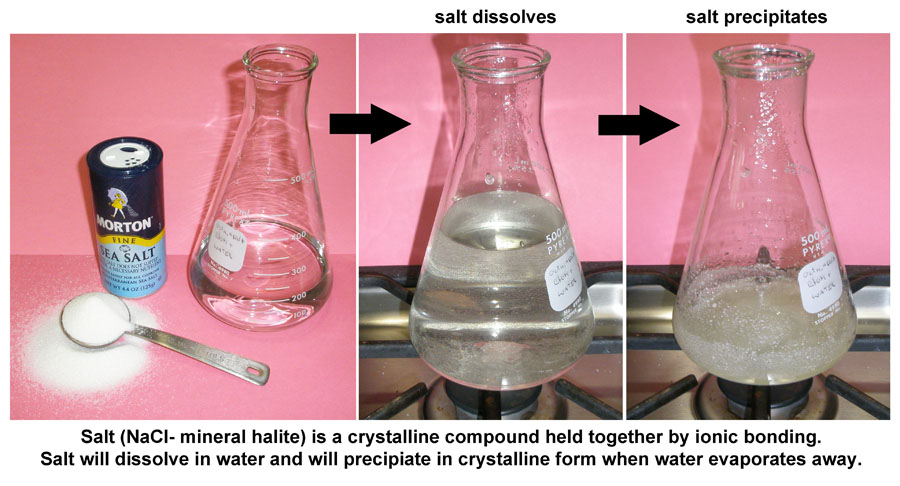 1.7: Chemical Bonds - Geosciences LibreTexts
Real-Life Stories to Make You Smile
I once tried to salt a pot of cold water for boiling eggs, and I stood there, spoon in hand, watching the salt sink to the bottom like a lazy cat. Forty-five seconds later, it was still there, just sitting. I’d forgotten to turn on the stove. Doh. Moral: heat first, then salt. Or stir like your life depends on it.
Then there’s the classic “salting pasta water” moment. You bring the water to a rolling boil, add a palmful of salt — and it dissolves almost instantly. Like magic. Why? Because boiling water is already at maximum molecular party mode. It’s the VIP lounge of dissolution. Your pasta will taste seasoned from the inside out, which is exactly why chefs are fussy about it.
When It Takes Forever (And Why You Should Care)
Now, here’s where it gets fun. If you drop salt into oil or very cold brine, it might take minutes to fully dissolve. That matters when you’re making pickles or brining a turkey. Undissolved salt at the bottom of your jar means some bites will be salt-free and others will be mouth-puckering. Not ideal. So for brines, always dissolve the salt in a small amount of hot water first, then add cold. Patience pays off in flavor balance.
 10 Examples of Chemical Properties
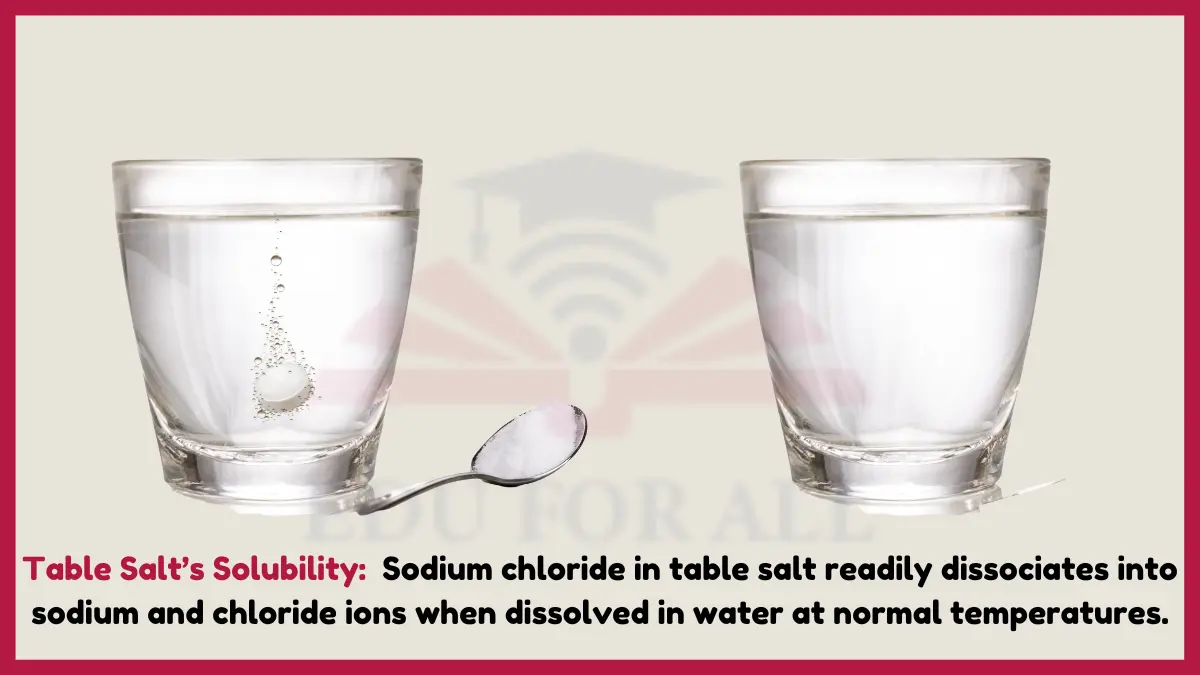
And for the trivia lovers: salt doesn’t actually “melt” in water. It dissociates — it breaks apart into sodium and chloride ions that hide between water molecules. So it’s more like a dance breakup than a meltdown. But that’s just fancy talk. The practical point is: you can taste it immediately, which is why we sprinkle salt on food at the table, not five minutes earlier.
Why You Should Care (Beyond Dinner)
This isn’t just about cooking. Understanding salt dissolving helps you fix oversalted soup (add a watery veggie, or dilute with more unsalted broth). It also explains why your homemade electrolyte drinks taste weird if you don’t stir enough. And if you’re a science-curious sort, it’s a tiny window into how your own cells work — water carries salt into and out of your body every single second.
So next time you’re at the sink, toss a pinch of salt into a glass of lukewarm water. Count to ten. Gone. It’s a small, satisfying magic trick that happens in your kitchen every day. And now you know exactly how long it takes — fast when hot, slow when cold, and always ready to be your friend with just a little stir.
Go ahead, try it right now. You’ll feel like a kitchen scientist. And honestly? That’s a pretty cool feeling for such a tiny grain of truth.
