Does Reverse Osmosis Remove Nitrates From Water

Ever take a sip of water and wonder what’s actually floating around in there? I mean, besides the obvious H2O. One of the sneaky little guests that can crash the party is nitr...
Ever take a sip of water and wonder what’s actually floating around in there? I mean, besides the obvious H2O. One of the sneaky little guests that can crash the party is nitrates. But here’s the real question: can a fancy gadget like a reverse osmosis system give them the boot?
The Nitrate Invasion: A Quick Look
Nitrates aren’t villains by nature—they’re a natural part of the nitrogen cycle, found in soil and plants. The trouble starts when they get a little too cozy in our drinking water, often from fertilizer runoff or septic systems. You can’t see them, taste them, or smell them, which makes them a stealthy little problem.
High levels of nitrates can be a concern, especially for babies and pregnant folks. That’s why it’s cool to know if your tap water is secretly hosting a nitrate party.
Must Read
Enter Reverse Osmosis: The Water Bouncer
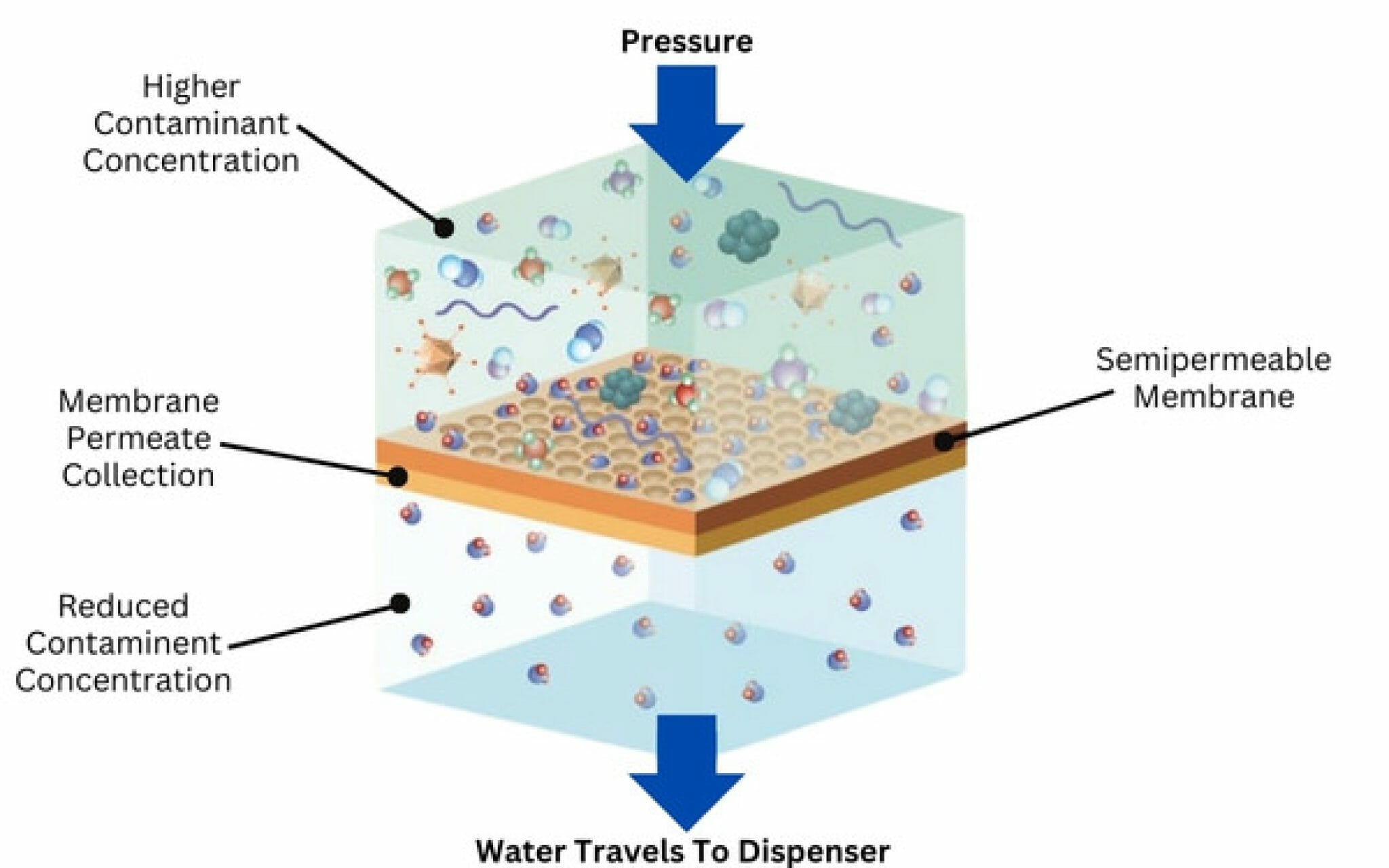
So, does reverse osmosis actually remove nitrates? Yes, it does. Picture this: your water is a crowded nightclub, and nitrates are the annoying guests who snuck in. Reverse osmosis is the bouncer at the door, using a super-fine semi-permeable membrane to kick them out.
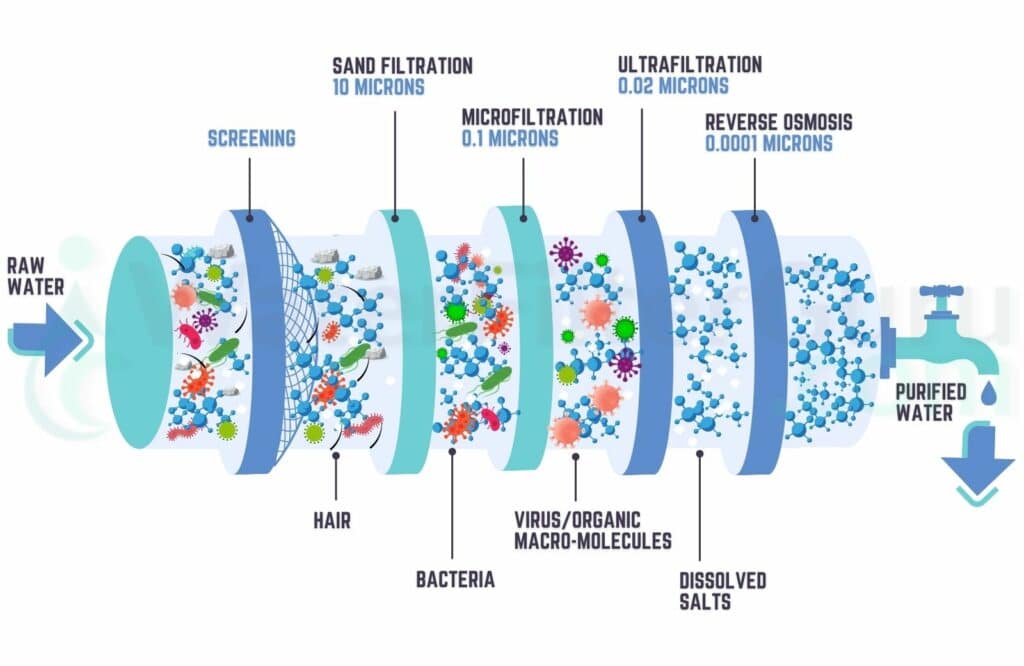
This membrane has pores so tiny—about 0.0001 microns—that only water molecules can slip through. Nitrates? They’re too big and too charged to pass. It’s like trying to stuff a beach ball through a keyhole. Pretty satisfying, right?
How Good Is It, Really?
When it comes to nitrate removal, reverse osmosis is an absolute beast. Studies show it can remove up to 90-95% of nitrates from your water. That’s not just a little improvement—that’s a dramatic cleanup.
Think of it like a kitchen colander for spaghetti: the water flows through, but the noodles (and nitrates) get left behind. Except this colander is way more high-tech and doesn’t make spaghetti. Bummer, but worth it for clean water.
 Nitrate removal: Biological denitrification vs. reverse osmosis
The Nitrate Catch: A Few Quirks
Now, before you rush out to buy an RO system, there’s a funny twist. Reverse osmosis is so good at its job that it also removes good minerals like calcium and magnesium. It’s like a friend who’s amazing at cleaning your house but accidentally throws away your favorite mug.
Also, these systems are a bit slow. They produce water at a trickle, not a gush. And they waste some water in the process—usually about 3-4 gallons of reject water for every gallon of pure stuff. Not exactly eco-friendly, but that’s the trade-off for nitrate-free perfection.
Is It the Only Solution?
You might be wondering: “Can’t I just boil the nitrates out?” Nope. Boiling actually concentrates nitrates because the water evaporates but the nitrates stay behind. You’d end up with a stronger, yuckier brew.
Other methods like ion exchange or distillation can also work, but reverse osmosis is the popular kid on the block for a reason. It’s simple, effective, and doesn’t need weird chemicals. Just pressure and a fancy membrane.
Why This Is Actually Cool
Here’s the fun part: reverse osmosis is like a magic filter that mimics how your own kidneys work. Kidneys use pressure and membranes to filter out waste from your blood. Your RO system does the same for your water. It’s biology meets plumbing—how nerdy and awesome is that?
 Does Reverse Osmosis Remove Nitrates?
Plus, there’s something satisfying about knowing you’re drinking water that’s been through a multistage process. Sediment filters, carbon filters, and that star membrane all work together. It’s like a tiny water theme park in your kitchen.
Real Talk: Should You Get One?
If your local water has high nitrates (check your annual water quality report), reverse osmosis is a solid choice. It’s especially handy for rural well water, where nitrate spikes are more common. City water is usually treated, but RO gives you that extra peace of mind.
Just be ready for a little upfront cost and some maintenance, like swapping out filters every 6-12 months. Think of it as a subscription service for awesome water.
The Bottom Line (No Pressure)
So, does reverse osmosis remove nitrates? Absolutely. It’s one of the most effective methods out there, turning questionable tap water into crystal-clear, nitrate-free goodness. Is it perfect? Not quite—it’s a bit slow and wasteful—but for the job it does, it’s hard to beat.
Next time you pour yourself a glass of RO water, give a little nod to that hardworking membrane. It’s silently saving you from a nitrate invasion, one drop at a time. And that, my friend, is pretty chill.
