What Does It Mean To Recharge A Water Softener

You’ve got that glorious, silky feeling on your skin after a shower. The dishes are spotless, no weird white film clinging to your favorite wine glass. Your water softener is...

You’ve got that glorious, silky feeling on your skin after a shower. The dishes are spotless, no weird white film clinging to your favorite wine glass. Your water softener is the quiet hero of your home, working 24/7 without a single thank you. But eventually, it starts to grumble—literally, making odd noises or just letting the water get hard again. That’s when you hear the term: recharge. It sounds like something you’d do for a smartphone or a jet lagged spirit, but it’s actually a simple, essential ritual for your machine.
So, what does it mean to recharge a water softener? At its core, it’s a deep clean for the little resin beads inside your tank. These beads are like microscopic magnets, trapping calcium and magnesium ions from your water and swapping them for sodium ions from salt. Over time, the beads get so coated in hard minerals that they lose their grip. Recharging is the process of flushing them with a concentrated brine solution, stripping off the buildup, and sending it all down the drain. Think of it as a spa day for your water system—a full-body detox.
The Brine Bath Workflow
The process kicks off when your softener’s timer or a smart sensor says, “I’m cooked.” It pulls water into a brine tank, mixes it with the salt pellets you’ve been feeding it, and creates a super-saline solution. That brine then flows through the resin tank, blasting away the mineral residues with force and chemistry.
Must Read
This isn’t a quick rinse; it’s a multi-stage event. First comes backwashing, where water rushes upward to loosen debris. Then the brine soak happens—the real magic—lasting about 20 to 40 minutes. Finally, a fresh rinse clears everything out, leaving the beads squeaky clean and ready to catch more calcium.
Most softeners program this to happen automatically, often at 2 a.m. when nobody’s using water. Fun fact: That gurgling sound you might hear from the utility room? It’s not a ghost. It’s just your softener mid-recharge, singing its midnight lullaby.
Salt: The Star of the Show
You can’t recharge without salt, and not all salt is created equal. Rock salt is cheap but leaves a gritty residue, while evaporated salt pellets are pricier but dissolve more cleanly. For the best recharge, use pure, solar-evaporated salt—it’s the artisanal coffee bean of water care.
Check your brine tank once a month. If the salt level is below the water line, you’re running on fumes. A half-full tank is the sweet spot; overfilling can cause a salt bridge, where the top layer hardens into a crust that blocks the brine. Pro tip: Give the salt a gentle poke with a broom handle to break up any bridges before they become a problem.
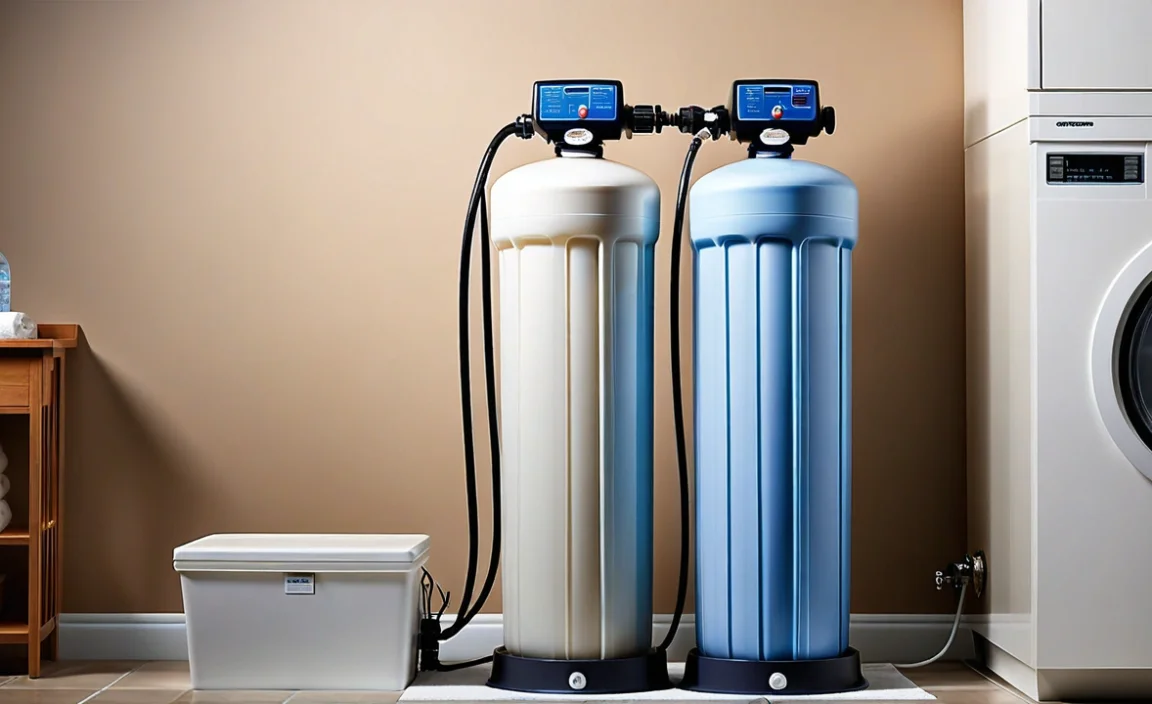 What Does Recharging a Water Softener Do? Find Out!
Your softener’s settings also matter. Harder water and larger households require more frequent recharges—maybe every three to four days. If you’re solo in a soft-water area, you might push it to two weeks. It’s a balancing act between efficiency and salt usage, like dialing in the perfect coffee grind.
Cultural Side Notes
Here’s a mind-bender: In parts of Europe, like the UK and Germany, many people grow up with naturally hard water and never use softeners. They just embrace the limescale in their kettles and the rougher feel on their hair. Meanwhile, in the American Midwest and Southwest, where water is famously hard, a softener is as common as a refrigerator. Recharging is a badge of domestic honor, a small ritual that separates the silky-haired from the chalky-skinned.
There’s even a movie comparison. Recharging is like the training montage in Rocky—the moment when the hero (your resin beads) runs up the steps, sweats out the old, and comes back stronger. Or, more appropriately, it’s the refilling scene in Mad Max: Fury Road where the characters desperately need water to survive. Your softener needs that brine to survive, too.
Practical Tips for the Curious
1. Don’t ignore the error codes. If your softener beeps or flashes a red light, it’s begging for a recharge. Walk it through a manual cycle using the bypass valve and service button. Always follow your owner’s manual—this isn’t the time to wing it.
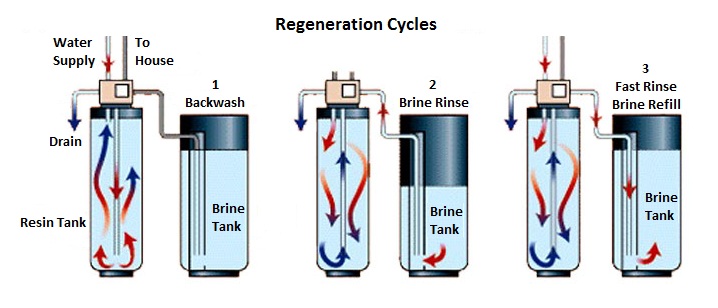 How Long Does it Take for a Morton Water Softener to Recharge? (Brief
2. Test your water every few months with a hardness test strip (costs about a dollar). If you see high readings even after a recharge, your resin might be exhausted—time to call in a pro. Resin beads last about 10 to 15 years, so they’re not immortal.
3. Beware of iron. If your water has high iron levels, it can foul the resin and turn it orange. A cleaner additive in the brine tank, like Res Care, can help. This is the anti-aging serum for your softener’s lifespan.
The Final Rinse
Recharging a water softener isn’t just a chore—it’s a metaphor for rhythm. In our always-on, high-demand lives, we forget to flush out the buildup. The email inbox fills like a resin bed with hard minerals. The stress piles on like calcium scale. Maybe it’s worth taking a cue from your softener: schedule a late-night reset, run a cycle, and wash away what’s weighing you down.
After all, good water leads to good mornings—and a good recharge leads to a softer, easier day. So next time you hear that faint gurgle from the basement, smile. Your machine is taking care of itself, exactly as it should. And maybe, just maybe, you can do the same for yourself.
