How To Filter Microplastics From Bottled Water

Okay, let’s be real for a second. You’re probably reading this while clutching a plastic bottle of water, aren’t you? Guilty as charged, honestly. We’ve all been told bottled...
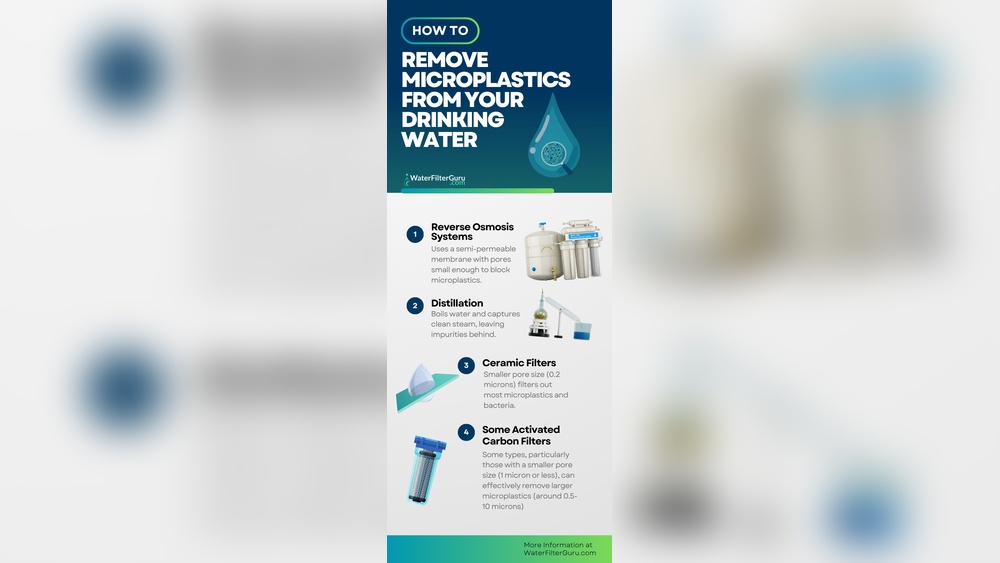
Okay, let’s be real for a second. You’re probably reading this while clutching a plastic bottle of water, aren’t you? Guilty as charged, honestly. We’ve all been told bottled water is the “pure” choice, but here’s the kicker: it’s often swimming in microplastics. Tiny, invisible bits that scientists find in everything from tap water to your lungs. Creepy, right?
Don’t panic yet. I’m not here to shame you into drinking from a rusty garden hose. Instead, let’s chat about how to filter those sneaky little particles out of your bottled water. It’s easier than you think, and it doesn’t require a lab coat. Grab your reusable cup, and let’s dive in.
Why Bother? Because You’re basically Eating a Credit Card
Every week, the average person might consume five grams of microplastics. That’s the weight of a credit card, for crying out loud. And bottled water? Studies show it can contain twice as many particles as tap water. So yes, you paid extra for the privilege of chomping on invisible plastic.
Must Read
The good news? Microplastics are big enough to be caught by the right filters. They’re not magical ghosts—they’re just tiny, stubborn jerks. And we can outsmart them.
Step 1: Know Your Enemy (The Particle Size)
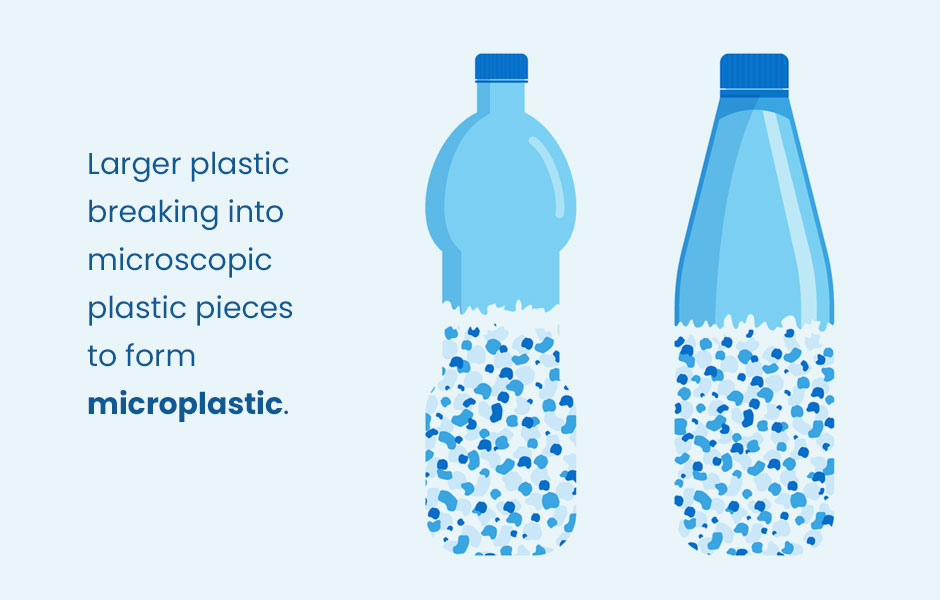
Microplastics are generally smaller than 5 millimeters. That’s about the size of a sesame seed. But the really nasty ones are nanoplastics—so tiny they slip through your regular Brita like a thief in the night. So what’s a thirsty human to do?
You need a filter that catches 1 micron or smaller. A micron is 1/1000th of a millimeter. Yeah, it’s tiny. Think of it as the bouncer at the club who only lets in water molecules and kicks out the plastic party crashers.
Step 2: The Filtration MVP—Reverse Osmosis
If you want to geek out, reverse osmosis (RO) is your best friend. It forces water through a membrane with pores so small, they block almost everything—including microplastics, lead, and even some viruses. It’s like a supermodel filter: it rejects 99% of impurities.
You can buy countertop RO systems or under-sink units. Yes, they’re a bit pricey (think $150 to $300), but they’ll filter your tap water, too. Suddenly, you’re not buying bottled water anymore. Cha-ching! Just remember: RO systems waste some water, so don’t use it to water your prize-winning petunias.
 How To Filter Microplastics From Bottled Water at Troy Haynes blog
A Cheaper Hack: The Activated Carbon + Microfiber Combo
Not ready to drop Benjamins on an RO machine? No problem. Grab a pitcher filter with a 0.5-micron or smaller pore size. Brands like ZeroWater or some high-end Brita models claim to catch microplastics. Check the fine print—look for “NSF certification for microplastics removal.”
Pour your bottled water through that pitcher. It’s like giving the bottle a second chance. Does it remove all the plastics? Not quite, but it reduces them by 80-90%. That’s a win in my book. Plus, you’ll feel smugly eco-friendly while sipping.
Step 3: The Stainless Steel Cellar Trick
Here’s a weird one: let your bottled water sit in a glass container for a few hours. Microplastics are lighter than water? Actually, they often float or settle at the bottom. Pour off the top 90% slowly, and you leave the plastic sediment behind. It’s like decanting fine wine, but for water that came from a gas station.
Is it perfect? No. Is it better than chugging the whole bottle? Absolutely. Just don’t shake the bottle before pouring—no one wants a microplastic smoothie.
Step 4: The Microwave Warning (Seriously, Don’t Do It)
Listen, I know you’re busy. But never microwave your bottled water. Heat makes plastic bottles release more microplastics and chemicals like BPA. You’re basically turning your Aquafina into a toxic soup. If you need warm water, pour it into a ceramic mug first. Your gut will thank you.
Same goes for leaving bottles in a hot car. That dashboard sun? It’s a microplastic factory. Store your water in a cool, dark place—like a fridge, or that dusty corner of your pantry.
 How to Remove Microplastics From Water
Step 5: The Ultimate Hack—Switch to Glass (I Know, I Know)
I hear you groaning. “But glass is heavy! It breaks! I’ll drop it on my foot!” Fair point. But here’s the thing: bottled water in plastic is the source of your microplastic problem. Glass bottles or stainless steel are plastic-free. Even aluminum cans are better (the lining is usually BPA-free now).
Buy water in glass, or better yet, fill a reusable stainless steel bottle from filtered tap. It’s cheaper, it’s lighter, and you won’t be drinking credit cards. Plus, you’ll look super chic at the gym. Win-win.
Step 6: The Charcoal Stick Myth Buster
You’ve seen those bamboo charcoal sticks that claim to “purify” water. They’re great for absorption of odors, sure. But do they trap microplastics? Nope. They’re like using a net to catch dust—they miss the small stuff. Save them for your sock drawer. Stick to actual filters with measured pore sizes.
And please, don’t boil your bottled water. Boiling kills bacteria, but it doesn’t remove plastic. It might even concentrate them as the water evaporates. Hot water + plastic = bad news bears.
Final Sip: You’ve Got Options
Look, we live in a world dripping with microplastics. You can’t avoid them entirely—they’re in the rain, in the air, and probably in your coffee. But filtering your bottled water? That’s a small, funny victory. It’s like putting on sunscreen: you won’t stop all the rays, but you’ll save your skin from a lobster fate.
So go ahead. Check your filter’s micron rating. Pour that Poland Spring through a glass pitcher. Or just switch to a reusable bottle and save the planet one sip at a time. I’ll be over here, sipping my not-credit-card water. Cheers, friend.
