Does Boiling Well Water Make It Safe To Drink

So, you’re staring at a glass of well water, wondering if it’s a health elixir or a science experiment gone wrong. Maybe you’re at a cabin, or your new house has a well, and t...
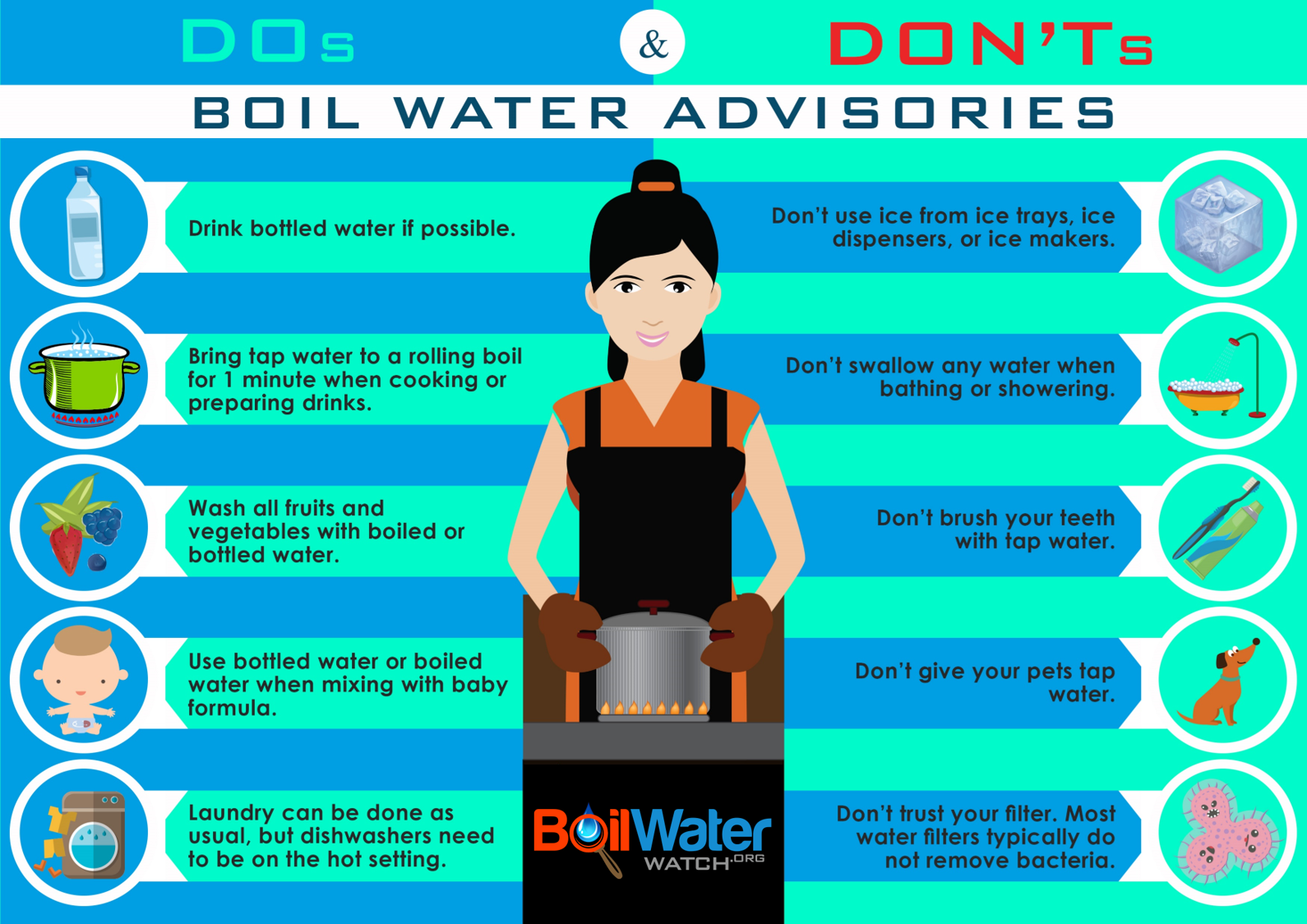
So, you’re staring at a glass of well water, wondering if it’s a health elixir or a science experiment gone wrong. Maybe you’re at a cabin, or your new house has a well, and that friendly “gurgle” from the tap sounds suspicious. The big question pops into your head: Does boiling it actually make it safe?
Let’s grab a cup of coffee (or tea, made with that very water) and dive in. The short answer is: Yes, boiling kills most of the bad guys, but it’s not a magic wand for every problem. Think of it as the superhero of the water world—strong, but with a few kryptonite weaknesses.
First, the good news. Boiling water for just one minute (longer at high altitudes, because science is a show-off) will murder bacteria, viruses, and parasites. That giardia bug that gives you “beaver fever”? Toast. That E. coli from a nearby farm? Gone. Your immune system gets a standing ovation.
Must Read
But here’s the punchline: boiling won’t remove chemicals, heavy metals, or sediment. If your well has lead, arsenic, or that weird rusty color, boiling just makes those particles more concentrated as the water evaporates. It’s like trying to clean a mud puddle by turning up the heat—you just get hot, concentrated mud.
Imagine your well water is a party. Boiling crashes the party for the microbe guests (bacteria, viruses). But it politely ignores the chemical couch potatoes (nitrates, pesticides, iron). Those guys just hang out, laughing at your steam.
So, what’s a person to do? Get your well water tested at least once a year. It’s like taking your car for a checkup, but with fewer oil stains and more glass vials. Test for bacteria, nitrates, pH, and local nasties like radon or arsenic. Your local health department will love you (and your wallet might cry a little, but it’s worth it).
When Boiling Works Like a Charm
If your test results show only biological baddies (like coliform bacteria), boiling is your best friend. It’s cheap, easy, and doesn’t require a chemistry degree. Just fill a pot, bring it to a rolling boil for one minute, then let it cool. Congratulations—you’re a water sanitation hero.
 Does Boiling Water Really Make It Safe to Drink?
This is perfect for camping trips, emergency situations, or that time your well got flooded after a storm. Just remember to store the boiled water in a clean container. Boiling is not a permanent superpower; if you pour it back into a dirty cup, you’ve just invited the microbes back for a second party.
The Altitude Exception (Because Nature Loves Drama)
At sea level, one minute of boiling is perfect. But if you’re up in the mountains, water boils at a lower temperature—so you need three minutes to kill the same stuff. Think of it as the high-altitude surcharge for being a mountain goat. Your smoke detector might also start chirping, but that’s a separate issue.
Also, don’t boil forever. Over-boiling concentrates minerals and can make the water taste flat. It’s like the third cup of reheated coffee—functional, but sad. A pinch of salt can help the taste, but that’s a secret trick from your grandma’s playbook.
What Boiling Can’t Fix (The Kryptonite List)
Lead, copper, and other heavy metals laugh at boiling. They’re thick, stubborn, and require a filter (like a reverse osmosis system) to leave the party. Pesticides and herbicides from farm runoff? Also immune to heat. And volatile organic compounds (VOCs) from gas stations or factories? Boiling can actually release them into the air, so you inhale them instead of drinking them. Oops.
And let’s not forget hard water—that white crust on your kettle. Boiling doesn’t remove calcium or magnesium. It just makes them settle at the bottom as a chalky souvenir. It’s safe to drink, but your coffee maker will stage a protest.
 Pros and Cons of Using Boiling to Make Drinking Water Safe – Ionza
The Sediment Situation
If your well water looks like weak iced tea (hello, tannins!) or has sand in it, boiling turns it into murky, hot soup. You’ll need a sediment filter or a settling tank first. Boiling does not fix “dirt.” It just makes warm dirt. And nobody orders warm dirt at a restaurant.
So, in the epic battle of “Boil or Not to Boil,” the answer is: It depends on what’s in the water. For biological threats, boiling is a victory dance. For everything else, it’s a half-hearted shrug. That’s why regular testing is non-negotiable—it tells you which team is playing in your glass.
The Uplifting Ending (You Made It!)
Here’s the bright side: well water is amazing. It’s natural, often mineral-rich, and free from the chlorine taste of city water. With a little knowledge and maybe a filter or two, you can have delicious, safe water straight from the earth. Boiling is a fantastic tool in your survival kit, not a cure-all.
Think of it like this: you wouldn’t trust a single friend to cook your entire Thanksgiving feast. You’d have the turkey expert, the pie wizard, and the person who only brings plastic forks. Similarly, boiling handles the microbe squad, while testing and filters handle the chemical and physical squads. Teamwork makes the dream work, folks.
So the next time you hear your well pump kick on, smile. You’re tapping into a secret aquifer, like a planet-magic straw. And as long as you test, boil when needed, and filter what’s necessary, you’ll be toasting to health every single day. Cheers to you, water warrior! You’ve got this—and your stomach is forever grateful.
