What Does A Water Filter Do In A Refrigerator

So, picture this: It’s three in the morning, and you’re standing in front of the fridge, bathed in that weird, blue-white light, pouring a glass of water. You take a sip. Ah,...
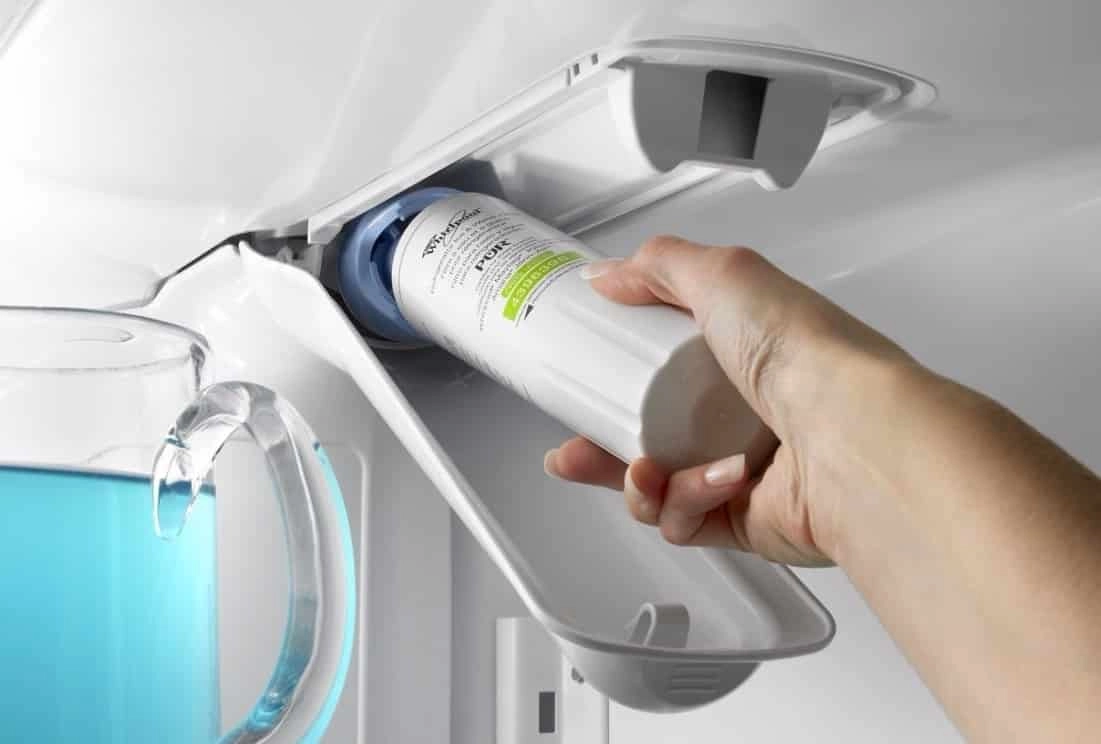
So, picture this: It’s three in the morning, and you’re standing in front of the fridge, bathed in that weird, blue-white light, pouring a glass of water. You take a sip. Ah, crisp, cold, and perfect. No metallic taste, no weird aftertone, just pure, silent victory over thirst.
But then your roommate slams the door, grumbling about that stupid plastic cylinder you were supposed to replace six months ago. And you realize: that water didn't just get cold by magic. There’s a hero in there.
That tiny, unassuming plastic cartridge—your refrigerator water filter—is the real MVP of the whole appliance. It’s not just a fancy piece of marketing fluff. It’s doing a dirty, gritty job so you don’t have to.
Must Read
The Grumpy Janitor Inside Your Ice Machine
Let’s be honest: tap water is basically a moving truck for stuff you don’t want to drink. It carries chlorine (that pool-day flavor), sediment, heavy metals like lead, and sometimes even tiny pharmaceuticals. (Yes, really. I’m not trying to freak you out, but... you’re welcome.)
The water filter in your fridge is like a bouncer at a club. It stands at the door and says, “You, chlorine? Out. You, weird dirt particles? Not tonight.”
Inside that plastic tube, you’ve got a block of activated carbon. This stuff is basically a microscopic sponge—it grabs onto nasty particles and holds them tight. It’s the only time “holding onto your baggage” is a good thing.
The Two Big Jobs: Taste and Safety
First job: taste. You know that slightly bitter, mediciney taste you get from a garden hose or a hotel tap? That’s chlorine and organic matter. The filter strips that out, leaving you with water that tastes like... nothing. Which is exactly what you want.
Second job: safety. We’re not talking about turning your tap into a sterile lab, but we are talking about removing lead, mercury, and copper. If you have old pipes in your house, this filter is cheap insurance compared to a hospital bill.
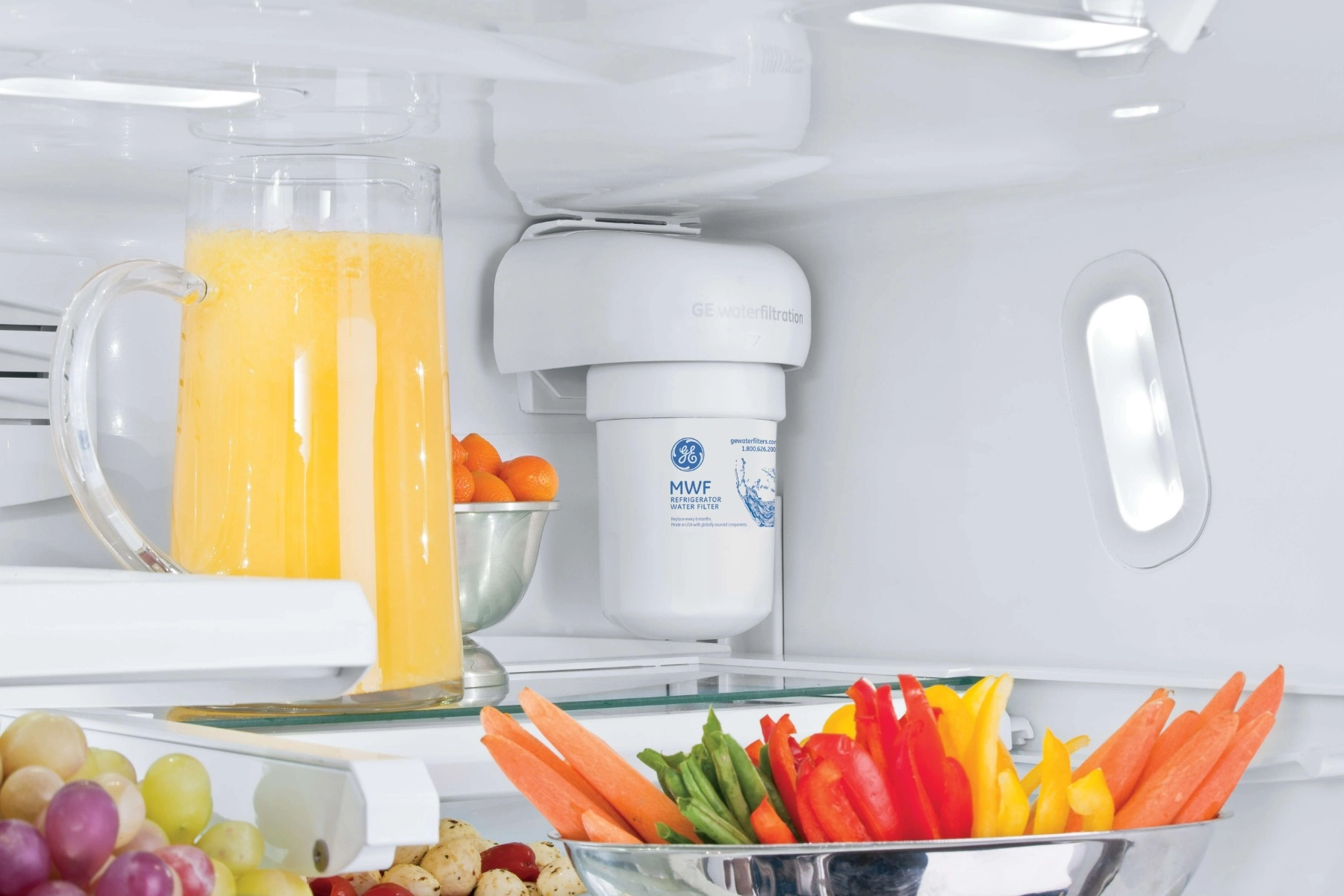 Detailed Refrigerator Water Filters Buying Guide - Blog
Here’s the ironic part: your fridge runs that water through the filter and then chills it. So you’re getting a triple threat—filtration, temperature control, and the satisfaction of not having to fill a pitcher. You’re basically a lazy environmentalist.
But Here’s Where We All Drop the Ball
You know what happens when you never change the filter? Nothing good. After six months, that carbon sponge is full. It’s not “cleaning” the water anymore; it’s just an expensive piece of plastic that water flows through.
Worse: once the filter is maxed out, it can actually become a breeding ground for bacteria. The very thing designed to protect you starts to backfire. It’s like having a guard dog that, when it gets too lazy, just lets the burglars in anyway.
So that indicator light on your fridge that flashes red? That’s not a suggestion. That’s a passive-aggressive robot screaming, “Change me, you slob!”
What It Doesn’t Do (And Why You’re Fine With That)
Let’s manage expectations. A fridge filter won’t remove viruses, fluoride, or dissolve salt. If you’re on well water with hard minerals, it’ll help with taste, but it won’t soften the water magically.
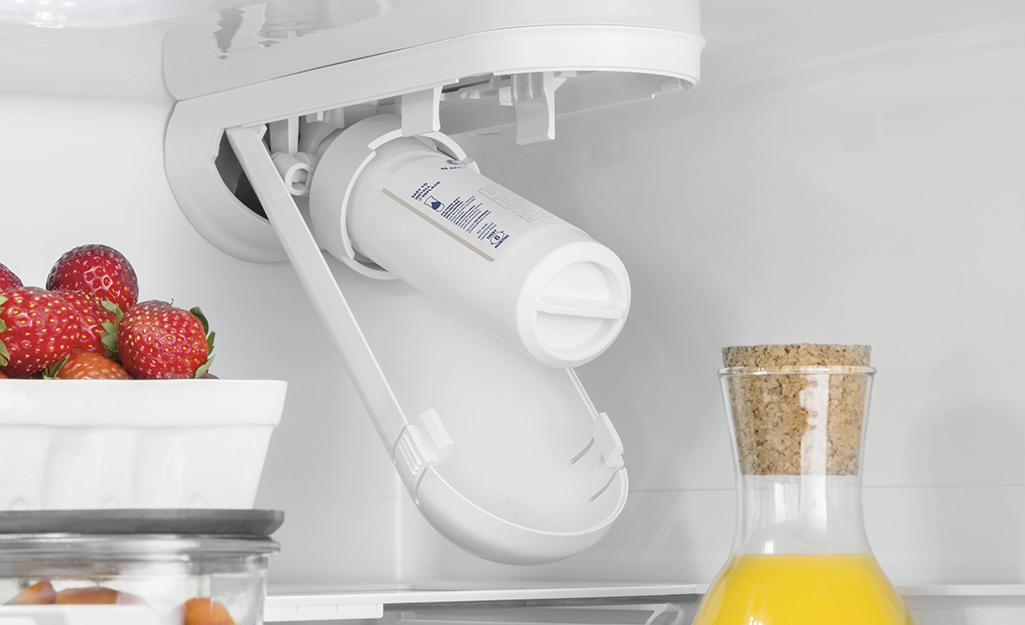 Water Filter Hacks & Replacement Guide
But here’s the thing: most municipal water doesn’t have dangerous viruses. The real villains are the chemicals and metals that affect enjoyment and long-term health. And for that, the fridge filter is a champ.
So yeah, it’s not a $500 reverse osmosis system. But it’s right there, in your door, ready to dispense cold, clean water while you’re half-asleep. I call that a win.
A Tiny Rant on Cost vs. Laziness
I know, filters are annoying to buy. They cost like $40. You forget. Life happens. But compare that to the cost of buying a case of plastic water bottles every week. The filter pays for itself in two months.
Plus, you avoid the guilt of tossing 24 plastic bottles into the recycling bin. That’s not just saving money; it’s saving you from the side-eye your eco-conscious neighbor gives you.
So next time you grab that ice-cold glass, give your filter a little nod. It’s working overtime, silently hero-ing while you sleep. Just don’t forget to swap it out before it becomes the villain.
(Seriously. Go check the date on your filter. I’ll wait.)
