What Does Regenerate Mean On A Water Softener

Okay, picture this: It’s a Saturday morning, and I’m about to make my first cup of coffee. I grab my favorite mug, fill it at the sink, and pop it in the microwave. Two minute...
Okay, picture this: It’s a Saturday morning, and I’m about to make my first cup of coffee. I grab my favorite mug, fill it at the sink, and pop it in the microwave. Two minutes later, I pull it out, and the surface is covered in this weird, oily film—like a tiny science experiment gone wrong. I swirl it, and it’s not just floating; it’s stubbornly clinging to the sides. That’s the moment I realized my water softener was probably screaming for help.
So, of course, I did what anyone does in a panic: I googled “water softener regenerate.” And the first result made it sound like a medieval ritual—something with salt, a tank, and a lot of clicking. Spoiler alert: It’s way simpler, and honestly, kind of genius. Let’s break it down, because you’ve probably seen that blinking “REGEN” light too, and wondered if you need to whisper ancient incantations at your basement machine.
What in the world is “regeneration” anyway?
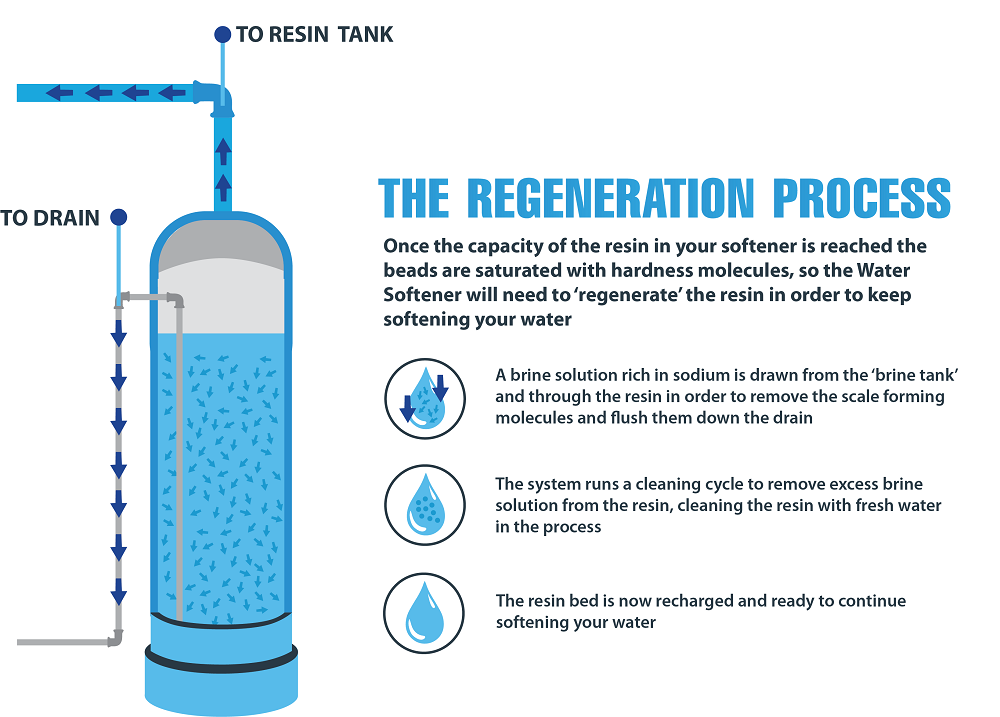
Think of your water softener like a hard-working sponge. Over time, it soaks up all the calcium and magnesium—that’s the hardness making your dishes spotty and your hair feel like straw. Eventually, that sponge gets full, and it stops working. Regeneration is the process where the softener flushes out all that gunk and gets a fresh start.
Must Read
It’s like your machine taking a deep breath, running a marathon, and then hitting the reset button. Without it, you’d be stuck with hard water again, and nobody wants that sad coffee moment I had. The system literally cleans itself using a brine solution (salt water) to swap the hardness minerals for nice, soft sodium ions.
The magic dance of the brine tank
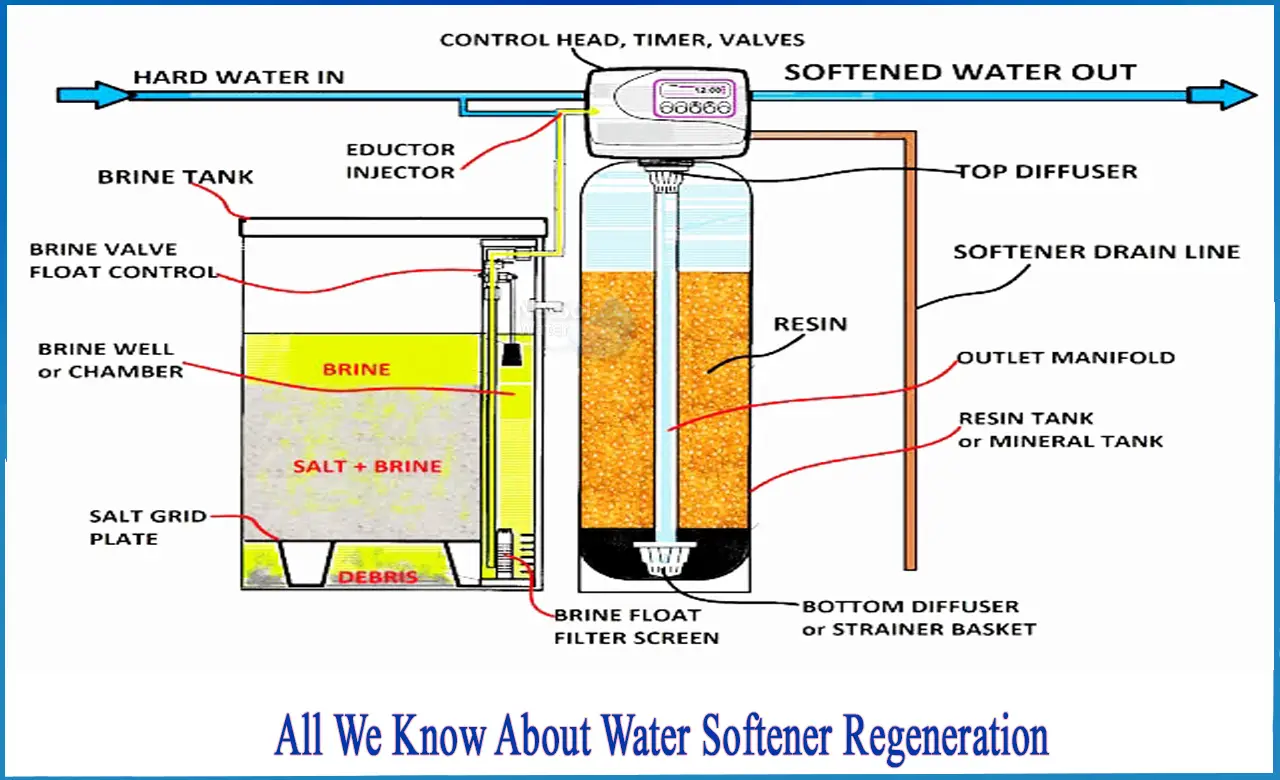
Here’s where it gets a little mechanical, but stay with me. Your softener has a resin tank (the sponge) and a brine tank (the salt shed). During regeneration, the softener sucks salty water from the brine tank and forces it through the resin. This chemical switcheroo knocks the calcium and magnesium off the resin beads and sends them down the drain.
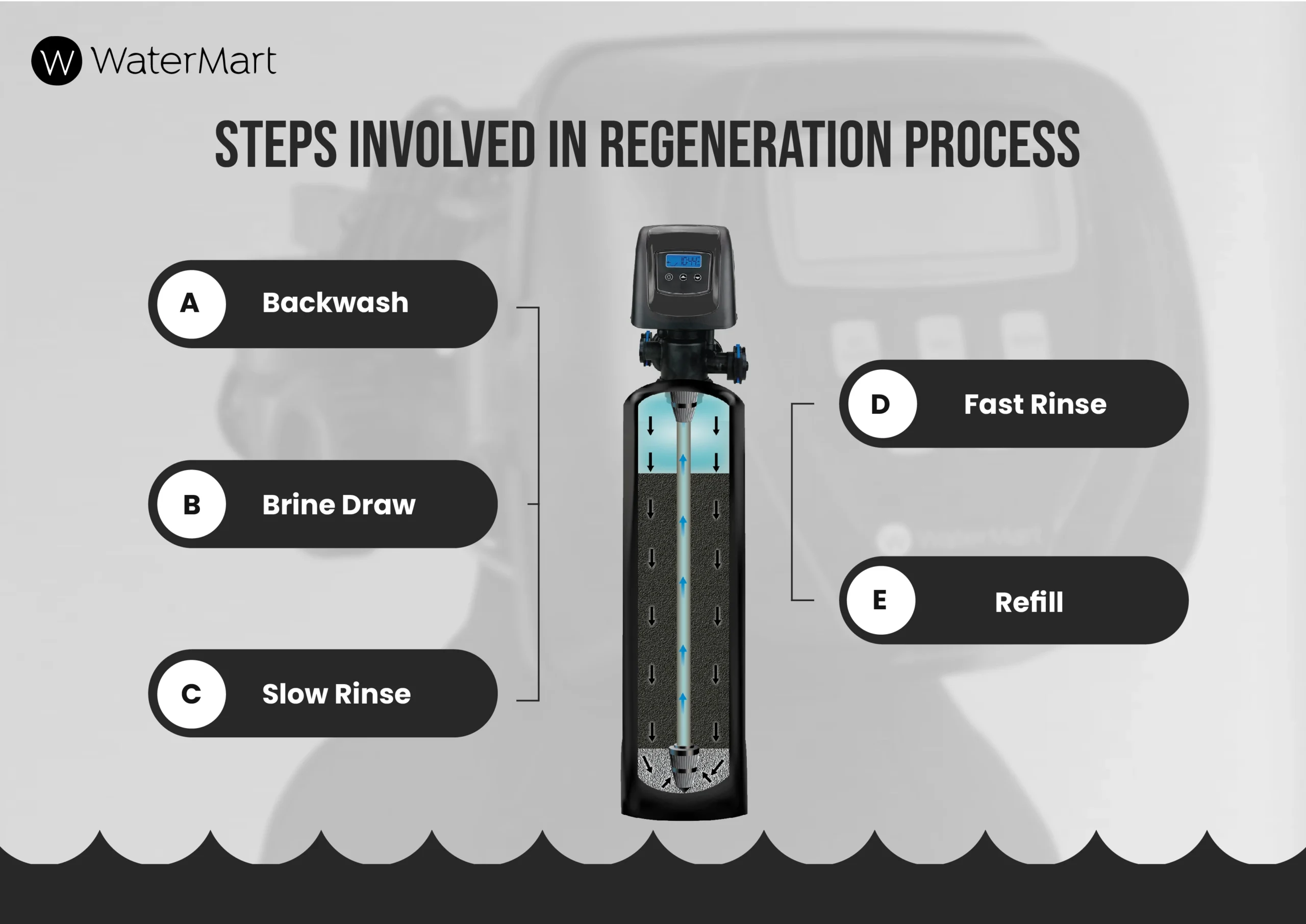
Side note: This is why you see that sudden gush of water from your softener’s drain line—it’s the expelled hard-water criminals making their exit. After that, the system rinses the resin with fresh water, and bam, it’s ready to soften again. You don’t have to do a thing except make sure there’s salt in the tank. Seriously, that’s your only job.
 How Long Does It Take To Regenerate A Water Softener | Detroit Chinatown
When does this actually happen?
Most modern softeners are smart—they regenerate based on your water usage, usually every few days or after a set number of gallons. Some models have a timer that kicks it off at 2:00 AM, because nothing says “we care” like flushing salt while you’re dreaming of clean hair. But if you manually hit the “Regen” button (like I did after my coffee disaster), it runs the cycle immediately.
Here’s a fun ironic twist: If you skip regenerations, your water gets harder, not softer. That’s right—the machine you bought to fight scale becomes a useless, expensive paperweight. So, pay attention to that blinking light. It’s not a suggestion; it’s your softener’s version of an alarm clock.
But what if I hear weird noises?
Oh, you will. Regeneration sounds like a mix of a washing machine, a gurgling stomach, and a faint hiss. That’s normal. If you hear grinding or constant clicking, though, you might have a salt bridge—that’s when the salt hardens into a crusty layer at the bottom of the brine tank. Fix it by gently breaking it with a broom handle. You laugh, but I’ve done it in my pajamas at 11 PM.
 What Is Water Softener Regeneration - Process And Its Types
Pro tip: Always keep the brine tank at least half-full of salt. I learned this the hard way when my softener threw a tantrum and left me with that oily coffee film. It was basically saying, “Feed me, Seymour!” in a very passive-aggressive way.
The emotional payoff of a good regeneration
After my first successful manual regen, I ran the faucet and watched the water flow like crystal. No film. No spots. My coffee tasted like coffee again, not like a chemistry lab. Honestly, it felt like my water softener had given me a high-five. That satisfying “whoosh” sound from the drain is the sound of victory.
So, next time you see “REGEN” on your softener, don’t panic. Just check the salt, hit the button if you’re impatient, and go make that coffee. You’ve earned it. Your water softener works hard for you—all it asks is a little salt and a moment to breathe. Now go enjoy a shower where your skin actually feels soft, not like you’re wearing a chalkboard.
