How To Know If Your Water Softener Is Working

So, you’ve joined the glittering cult of the water softener. You dropped a few hundred bucks on a metal cylinder that promises to banish the white, crusty demons scaling your...
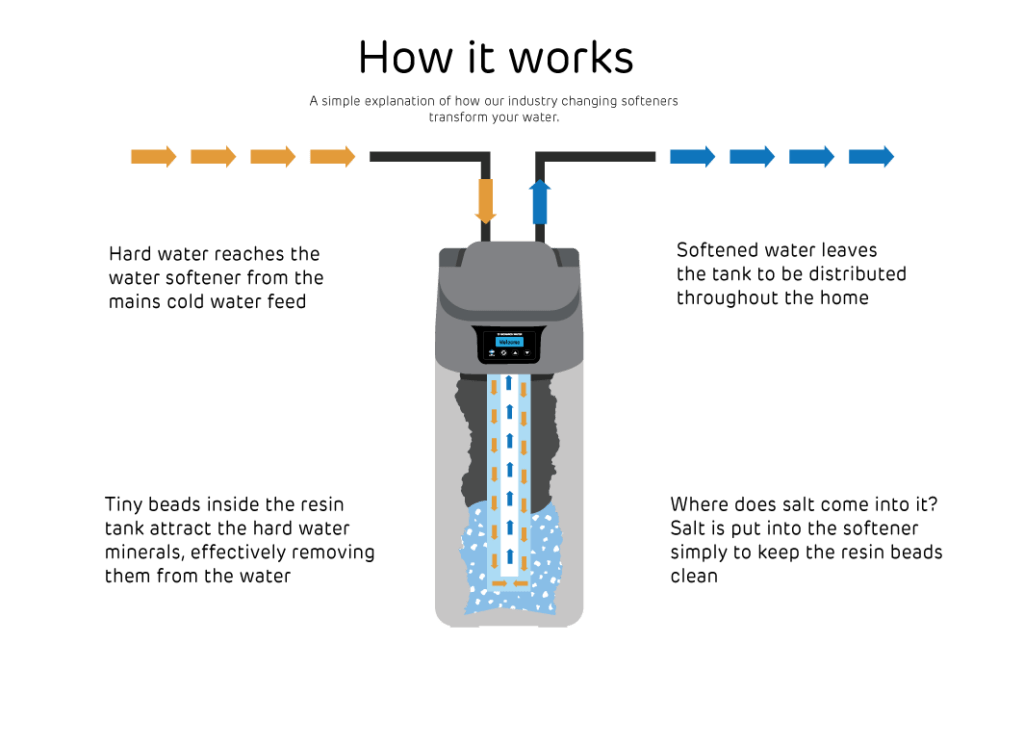
So, you’ve joined the glittering cult of the water softener. You dropped a few hundred bucks on a metal cylinder that promises to banish the white, crusty demons scaling your faucets. But now you’re staring at it, wondering if it’s just an expensive, useless prop, like a fake plant in a dentist’s office. Let’s fix that. Here’s how to know if your water softener is actually working, or if you should start making peace with the calcium apocalypse.
First, The Slip-N-Slide Test
Hard water feels like a grudge—rough, clingy, and impossible to rinse off. Soft water, on the other hand, is the liquid equivalent of a child’s apology: slippery and slightly suspicious. Hop in the shower, lather up with plain soap (no fancy “moisture+” goop), and see if your hands slide over your skin like a greased otter.
If you rinse and your skin still feels slick—like you just coated yourself in butter—congratulations, the softener is alive. If your skin squeaks like a rubber duck, you’ve got hard water. That squeak is actually soap scum, and it means your system is sleeping on the job.
Must Read
The Bubble Apocalypse
Hard water hates soap the way cats hate cucumbers. It refuses to let soap foam, leaving you with a sad, watery film instead of a mountain of bubbles. Grab your favorite dish soap and squirt it into a glass of tap water. Then, shake it like a polaroid picture.
If you get a thick head of suds that lasts longer than a TikTok dance trend, your softener is a hero. If the bubbles vanish instantly—poof, gone—your water is hard. Surprising fact: you actually need more soap to clean hard water, which is why your dishwasher detergent budget might secretly be funding a small country.
SpotCheck: The Art of Glassware CSI
Pull out a clean drinking glass from the cabinet. Hold it up to the light. If it looks like a window in a post-apocalyptic movie—cloudy, spotted, covered in a white film—that’s calcium carbonate. It’s the fossilized record of your failed softener. A working system leaves your glassware so clear you might accidentally walk into it.
Pro tip: run your finger over a faucet. If you feel a gritty, chalky residue, your softener has quit like a contestant on a reality show. If it’s smooth, your system is doing its job. The surprising fact? Those white spots are actually fingerprint-resistant—so congratulations, you have ugly, but forensically clean, glasses.
The Salt Saga: Listen to the Gurgle
Your water softener works by swapping calcium and magnesium for sodium. That means it needs salt, like a vampire needs blood or a teenager needs Wi-Fi. Pop open the brine tank (the smaller drum next to the main cylinder). If the salt level is below the water line, or if you see a solid, crusty “salt bridge” that looks like a frozen alien glacier, your system has choked to death.
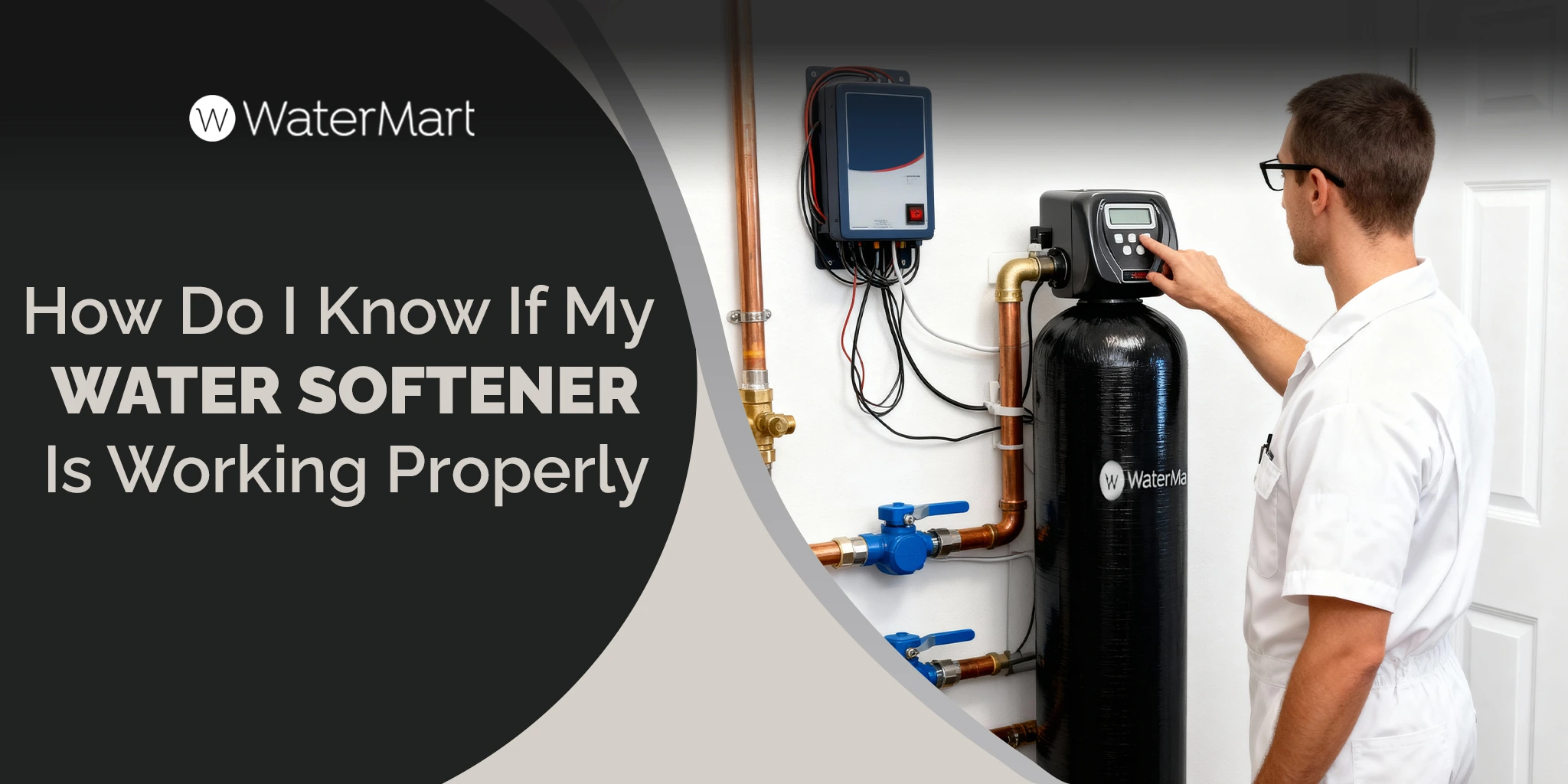 How do I know if my water softener is working properly?
A salt bridge is when salt clumps into a hard cap, preventing the brine from mixing. It’s the silent killer of softeners. Whack it gently with a broom handle—no, don’t use a hammer unless you enjoy repairs. The real briny truth? You should check salt levels monthly. Set a reminder on your phone. Name it “Water Softener: Don’t Be a Lazy Goat.”
Listen for the Regeneration Roar
Every few days, a working softener goes through “regeneration.” It’s a loud, glorified backwash that sounds like a robot having a diarrhea episode. If you never hear this noise, your system might be stuck in a self-esteem crisis. Go find the timer or valve—and if it’s set to “off,” you’ve found your culprit.
Some modern softeners are whisper-quiet, which is great for sleep but terrible for troubleshooting. If you’re suspicious, schedule a regeneration manually. If nothing happens, call a plumber before your water turns your pipes into a chalky mummy. The punchline: a dead quiet softener is like a silent parrot—something is very, very wrong.
The Test Kit: Science for Slobs
Buy a simple water hardness test kit (costs about ten bucks—skip one avocado toast). Fill a vial from your kitchen sink, add the included drops, and watch the color change. Blue or green means soft, glorious water. Red or purple means your water is wearing heavy metal makeup and needs an intervention.
Do this test both before and after the softener, if you can. The difference should be like comparing a desert to a swimming pool. Surprising fact: some municipalities have naturally “soft” water (less than 1 grain per gallon), but most places are rocking 10+ grains of hardness. That’s like showering in liquid chalk.
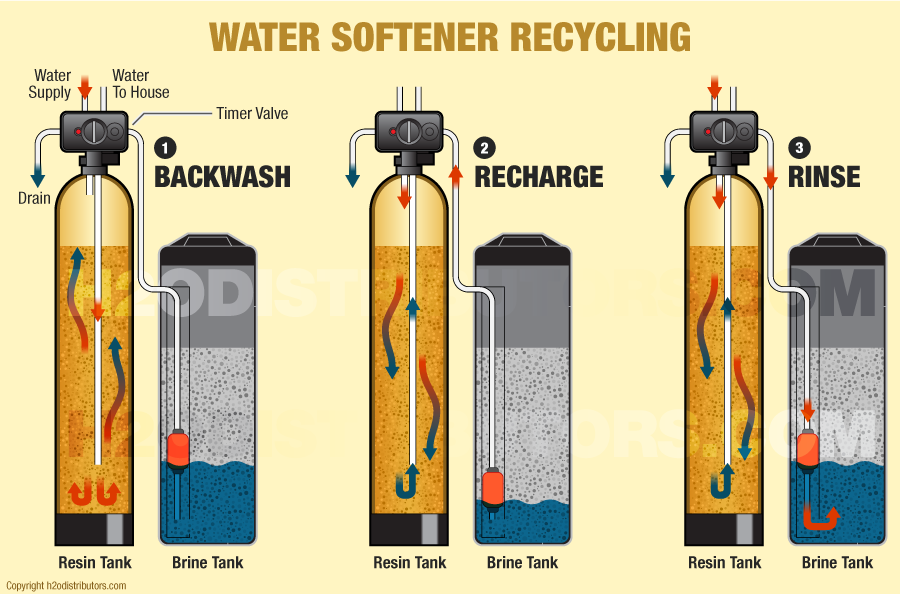 How Does A Water Softener Work Step By Step | Detroit Chinatown
The Fridge Filter Lie
Your refrigerator water dispenser is a filthy liar. It has a separate filter that covers up hard water taste. So if your fridge water tastes clean but your bathroom faucet tastes like a rock, your softener might be bypassed or broken. Don’t trust the fridge. It’s also trying to hide the mold behind the vegetable drawer.
Instead, taste directly from a soft-water tap (usually the kitchen or laundry sink). If it tastes slightly salty, that’s normal—it’s the sodium. If it tastes like you licked a limestone wall, call your softener a deadbeat and take action. The kicker? Soft water actually makes your coffee taste worse (true story—less mineral extraction), but your skin will thank you.
Warning: The Bypass Valve Switcheroo
Check your softener’s bypass valve. Sometimes a well-meaning spouse or a confused plumber accidentally turns it to “bypass,” leaving you with untreated water. The valve is usually a little lever or knob near the top of the unit. If it’s set to “bypass,” turn it back to “service” and feel like a crypto billionaire who just found a forgotten wallet.
I once spent three weeks wondering why my dishes still had spots, only to discover my cat had napped on the bypass lever. So yes, your cat might be the saboteur. Moral of the story: never trust a cat with plumbing.
The Final Wipe
If none of these tricks work, accept the truth: your water softener is a paperweight. Call a pro, or consider that maybe hard water isn’t so bad. It’s actually full of calcium, which is good for your bones—provided you enjoy drinking what looks like a chalk milkshake. So soften up, test regularly, and remember: a working softener is the only kind of salt addiction that’s socially acceptable.
