How To Remove Calcium Deposits From Pvc Pipes

Ever turned on your faucet and gotten a sad dribble instead of a cheerful gush? You might be dealing with a sneaky culprit: calcium deposits, or as I like to call them, the "p...
Ever turned on your faucet and gotten a sad dribble instead of a cheerful gush? You might be dealing with a sneaky culprit: calcium deposits, or as I like to call them, the "pipe plaque." These little white crusties are like the stubborn barnacles on a ship, slowly narrowing your PVC pipes and ruining your water pressure.
But here’s the cool part—getting rid of them doesn’t require a plumber or industrial-grade chemicals. You can actually dissolve this mineral junk with stuff you probably already have in your kitchen. Ready to give your pipes a spa day? Let’s dive in.
Why calcium loves your pipes (and why you shouldn’t let it)
Calcium and magnesium are basically the uninvited guests in hard water. They love clinging to the smooth interior of PVC pipes, forming a rock-hard layer over time. It’s like a tiny science experiment happening inside your walls—cool, but not when your shower turns into a sad drizzle.
Must Read
The best part? PVC is plastic, so it won’t corrode or rust like metal pipes. That means you can use acidic cleaners to break down the calcium without wrecking the pipe material. Think of it as a gentle exfoliation, not a chemical peel.
The star of the show: White vinegar
Plain old white vinegar is your secret weapon. Its acetic acid reacts with calcium carbonate, turning that hard crust into soluble calcium acetate—basically, pipe-friendly saltwater. You don’t need fancy products; just grab a gallon of vinegar next time you’re at the store.
If you’re dealing with a seriously thick buildup, you can use citric acid powder (sold near canning supplies). It’s like vinegar’s stronger, more intense cousin. Both work, but vinegar is cheaper and smells less like a lemon explosion.
Step 1: Drain and soak (the lazy plumber method)
First, shut off the water supply to the affected area. Unscrew the pipe joints or remove a fixture like a showerhead—anything that gives you access. Pour white vinegar directly into the pipe until it’s full, or soak a cloth in vinegar and wrap it around stubborn deposits.
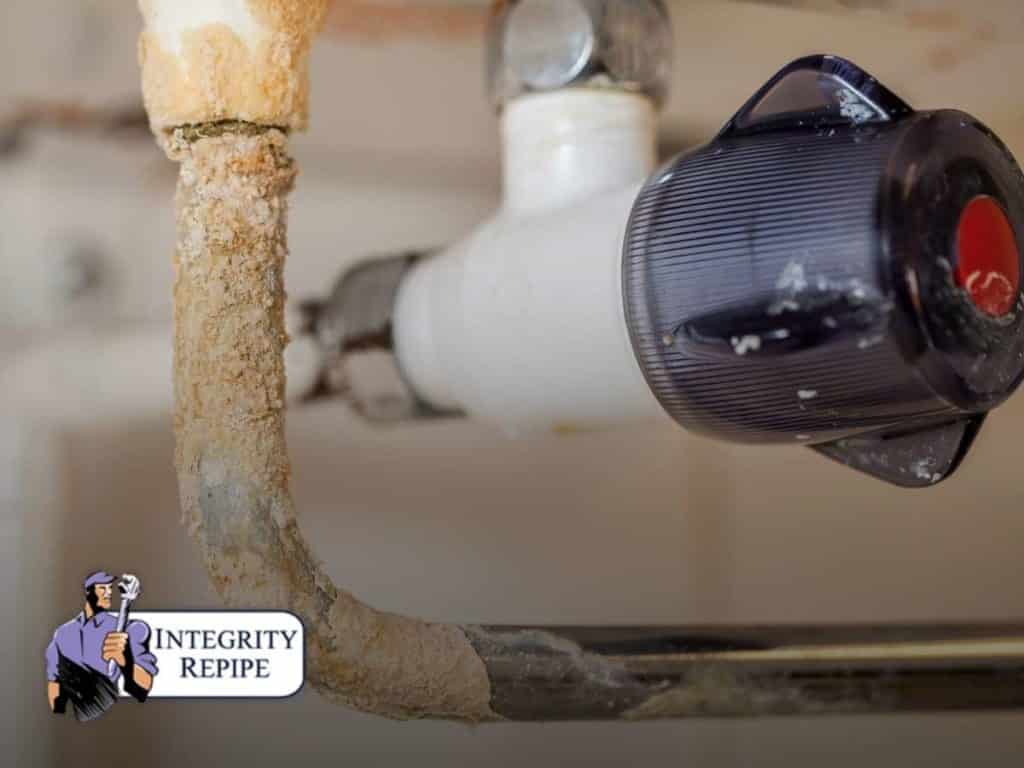 Does Calcium Buildup In Pvc Pipes at Ashton Ramirez blog
Let it sit for at least six hours, or overnight if the buildup looks like a stalactite. You want the acid to get cozy and chip away at that calcium layer. The bubbling you might see? That’s the magic of chemistry doing your job for you.
Step 2: Flush and scrub (the satisfying part)
After soaking, flush the pipe with hot water. If you see white flakes coming out, give yourself a high-five—that’s the calcium surrendering. For spotty deposits that refuse to leave, grab a pipe brush or a bottle brush. Gently scrub the inside while rinsing.
Don’t use metal brushes or steel wool—they’ll scratch the PVC and create spots for future deposits to latch onto. Think of it like washing a non-stick pan: gentle tools only. If the buildup is inside a long pipe, try a flexible drain snake covered in a vinegar-soaked rag.
Step 3: Maintain the victory
Once your pipes are clear, you’ll feel like a plumbing wizard. But calcium is persistent—it’ll come back if you don’t stay ahead. Here’s a pro tip: install a water softener if you have hard water. It’s like a bouncer that keeps calcium out of the party.
 Calcium Buildup In Pvc Pipes at Gabriel Williamson blog
No budget for that? Just do a monthly vinegar flush. Pour a cup down drains, let it sit for 30 minutes, then chase it with hot water. It’s like giving your pipes a vitamin boost—polite, cheap, and effective.
When to throw in the towel
Hey, sometimes the calcium has been throwing a party for years, and the deposits are too thick for vinegar alone. If your pipe feels almost solid or the water flow is barely a trickle, you might need to replace a section of PVC. It’s not a failure—it’s just physics winning this round.
PVC pipe is dirt-cheap and easy to cut with a hacksaw. A quick trip to the hardware store and twenty minutes of your time can solve it. Plus, you’ll get to say you did a “partial pipe transplant.” How cool does that sound?
The fun part: Why this is weirdly satisfying
There’s something deeply satisfying about watching white, crumbly gunk dissolve into nothing. It’s like when you soak a burnt pan and the grime just slides off. You’re literally using chemistry to undo a problem that took months to build.
And here’s a bonus: you can use the same trick on your coffee maker, showerhead, and even your dishwasher. Once you learn to remove calcium from PVC pipes, you’ll start seeing hard water buildup everywhere. It’s like a superpower you never asked for, but totally want.
