Why Does My Washing Machine Stain My Clothes

So you pull your favorite shirt out of the washer, expecting that fresh, clean smell. Instead, you find mysterious orange streaks or weird, greasy spots. It feels like the mac...
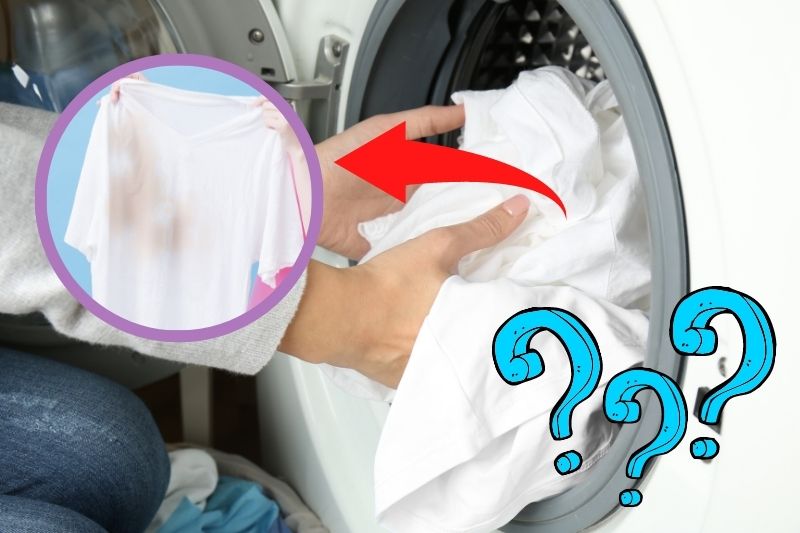
So you pull your favorite shirt out of the washer, expecting that fresh, clean smell. Instead, you find mysterious orange streaks or weird, greasy spots. It feels like the machine is playing a mean prank. You're not alone, and honestly, it's not completely your fault.
Let's spill the beans. The biggest culprit is usually too much detergent. I know, I know—more suds must mean cleaner clothes, right? Wrong. Modern machines are water-savvy, meaning they can't rinse out a mountain of soap. That leftover goop then bakes onto your clothes during the spin cycle, leaving those nasty, waxy stains.
The Great Softener Scam
Fabric softener is sneaky. It might make your towels feel fluffy, but it's a wax-based product. That waxy residue builds up inside your machine over time. Then it flakes off later, sticking to your jeans like a bad oil slick.
Must Read
If you see blue or purple blobs on your whites, you just found your culprit. Try cutting back to half the recommended softener. Or better yet, toss it entirely. Your clothes will breathe better, I promise.
The Grease Monster in Disguise
Ever notice strange brown or gray streaks on your clothes? That's often hidden grease from you—yes, you. Your neck, wrists, and collar naturally produce body oils. When you don't pre-treat those areas, the oil mixes with detergent and redistributes itself to other garments.
It’s like your washing machine threw a tiny, greasy party and didn’t invite you. The fix? Rub a little dish soap directly onto those collar rings before washing. You can also use a stain stick. Just don't ignore them.
Hard Water is a Plot Twist
Here’s a fun fact: Your water might be too hard. Hard water is full of calcium and magnesium. When it meets your detergent, they form a sticky soap scum, and that scum loves to cling to fabric.
You’ll see white, chalky marks on dark clothes or rough, stiff towels. The solution is either a water softener or a detergent made for hard water. Also, try adding a cup of white vinegar to the rinse cycle—it cuts that mineral sludge.
The Rusty Conspiracy
Orange or reddish-brown spots? That’s rust, baby. It can come from old pipes, a rusty water heater, or even a metal button that shed its coating. Micro-rust particles can settle in the drum and then transfer to your clothes.
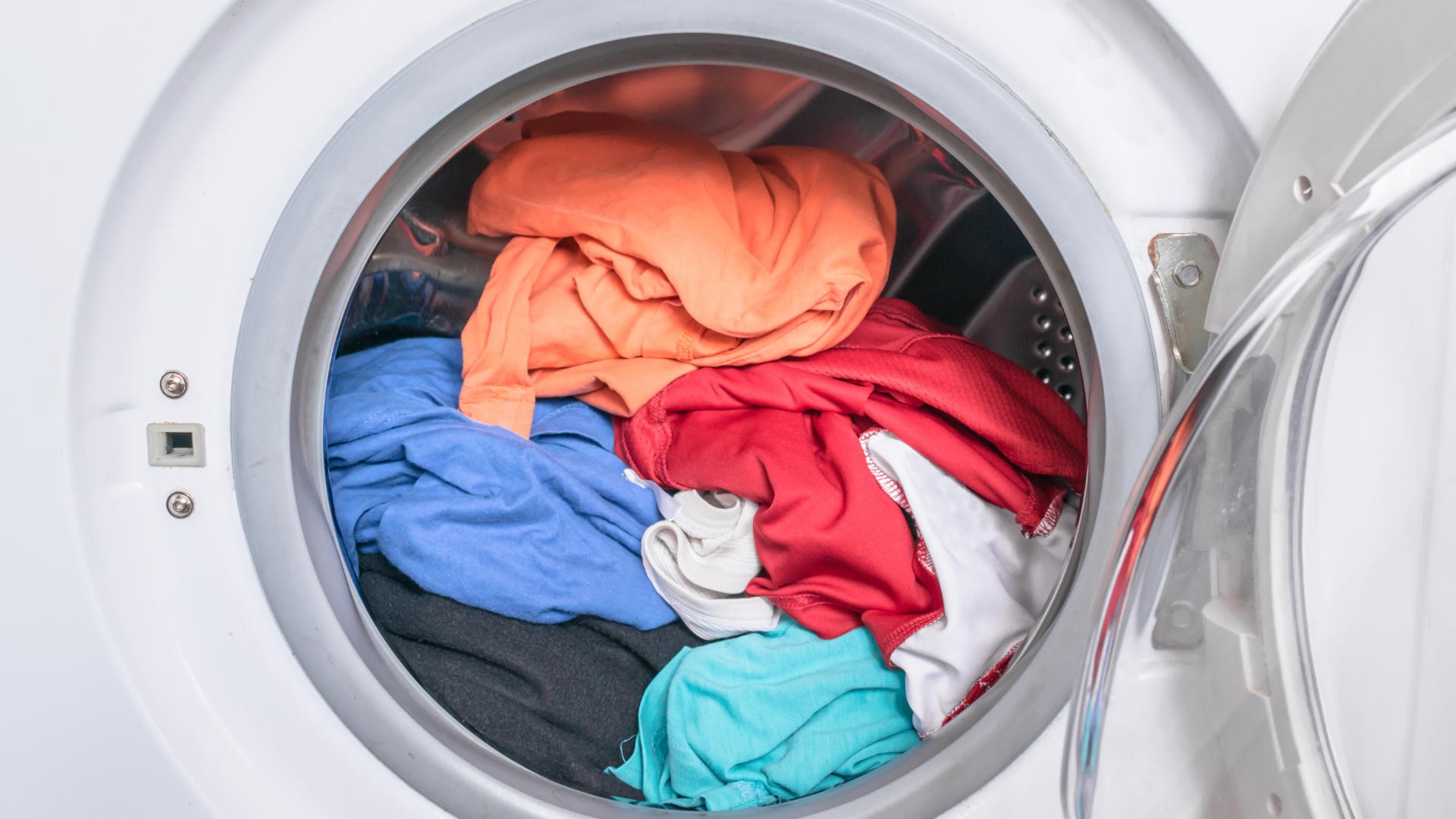 Why Does My Washing Machine Stain My Clothes | Storables
Think of it as your machine’s rusty little secret. To fight it, run a cleaning cycle with a rust remover. Check your pipes too. If the spots appear only on certain garments, it might be that one pair of jeans with metal rivets.
The Drain Pump Filter Drama
Let’s get gross for a second. Every front-loader has a small filter near the bottom front. It catches lint, coins, and that one sock you lost. But if you never clean it, it gets jammed with moldy, gunky sludge.
When that sludge builds up, it can backwash into the drum and cling to your clothes. The stains look like dark, greasy patches with a musty smell. The fix is surprisingly easy: open the filter, clean it out, and do it every month. Your nose will thank you.
The Overload Debacle
You know that feeling when you stuff one more towel into the drum? Stop. Right now. An overloaded machine can’t circulate water properly. Detergent gets trapped, fabrics rub against each other in a frenzy, and dye can transfer from one item to another.
Suddenly, your white shirt has pink polka dots from that red bandana. The rule of thumb: the drum should be no more than three-quarters full. If you can’t fit your hand in the drum, you’ve gone too far.
Old Moldy Gaskets
Front-loader owners, this one’s for you. The rubber gasket around the door is a perfect breeding ground for mold. That black, slimy residue can rub onto clothes as the drum spins.
 Washing Machine Staining Clothes White at Sara Wentworth blog
You’ll see weird, streaky black spots that look like marker ink. Wipe the gasket dry after every use. Once a month, run a cycle with bleach or a washer cleaner. It’s a five-minute habit that saves your wardrobe.
The Hot Water Trap
Hot water is great for killing germs, but too hot can set stains permanently. In fact, hot water can make protein stains (like blood, sweat, or milk) bind right into the fibers. Then they turn brown after drying.
It’s like the stain is searing itself into your fabric. For those stains, always use cold or lukewarm water. And always check the care tag—your machine might be running hotter than you think.
When in Doubt, Clean the Machine
Here’s the bottom line: your washer is a tool, not a magic box. It needs maintenance. Run a cleaning cycle once a month with a tablet or bleach. Leave the door open after washes to let air dry the gasket.
If stains keep appearing, try a white load test—wash a load of old white towels with no detergent. If they come out stained, you’ve got a mechanical issue. Call a repair person. Or just move to a new house. (Kidding. Mostly.)
So next time you see a mystery spot, don’t panic. You're not cursed. You’re just fighting the good fight against suds, sludge, and stubborn water. Now go hug your washing machine—with a vinegar rinse.
