Does Distilled Water Have To Be Refrigerated

So, you’ve got a jug of distilled water sitting on your counter. Maybe you bought it for your iron, your car battery, or that fancy espresso machine you barely know how to use...
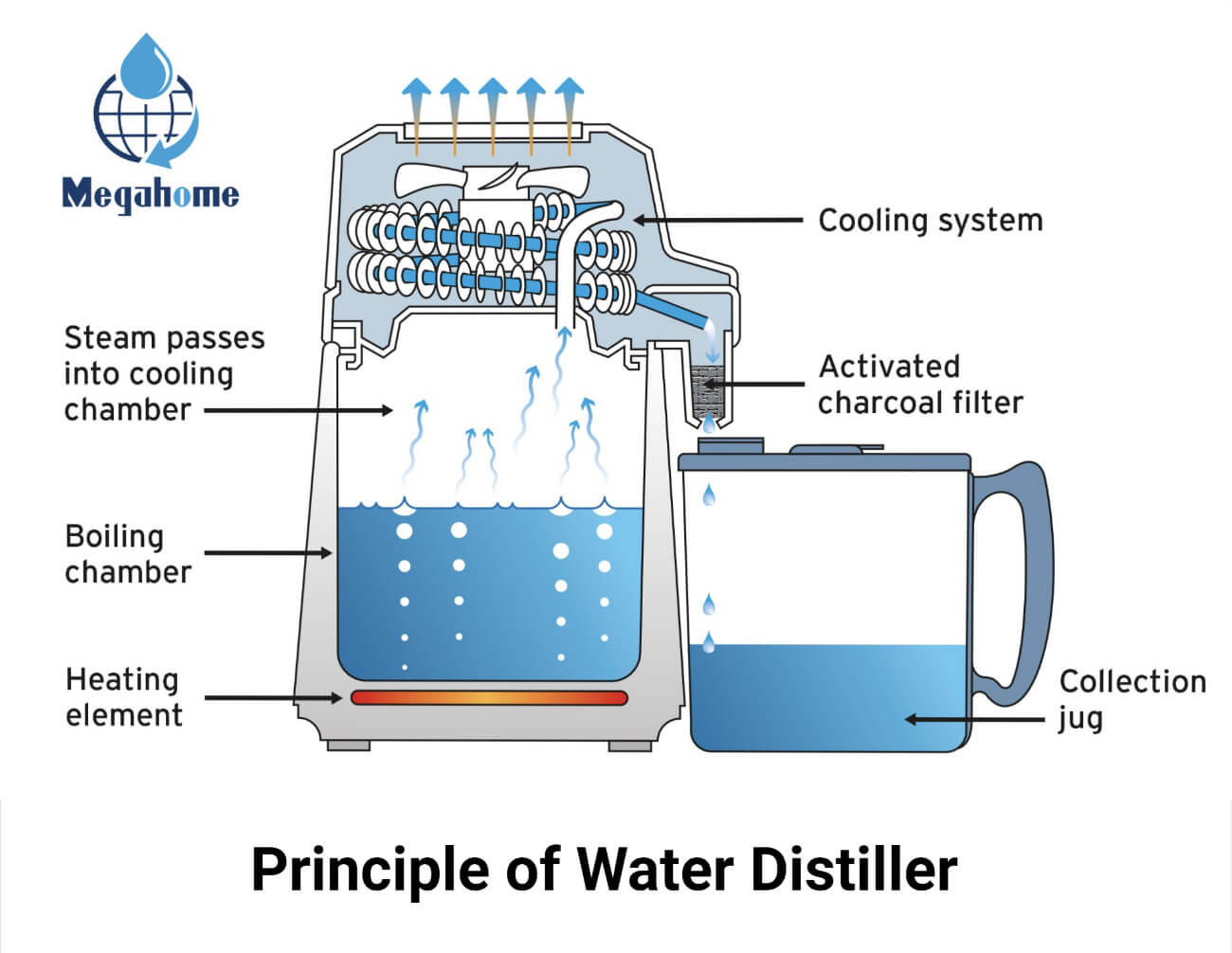
So, you’ve got a jug of distilled water sitting on your counter. Maybe you bought it for your iron, your car battery, or that fancy espresso machine you barely know how to use. Now a tiny, nagging question is poking your brain: Should this thing be in the fridge? Let’s face it, you’ve seen people argue about ketchup and eggs, but distilled water? That’s a new level of hydration anxiety.
Here’s the short, glorious, parched truth: No, distilled water does not need to be refrigerated. You can park that jug on your counter next to a bag of chips and a lonely onion, and it will be perfectly fine. Refrigeration is for things that spoil, get moldy, or turn into science experiments. Distilled water is basically too pure to party with bacteria.
Think of distilled water as the boring, tidy friend who never causes trouble. It’s been boiled into steam and then condensed back into liquid, which strips away all the microscopic freeloaders—minerals, germs, and any little critters that might have been swimming in tap water. Without those nutrients, bacteria have nothing to eat. It’s like throwing a party with no snacks and no drinks—nobody shows up.
Must Read
The Cold, Hard (Refrigerated) Myth
Why does your brain scream “fridge!” when you see any water container? Blame your psychology and every iced tea commercial you’ve ever seen. We associate cold water with refreshment, but distilled water doesn’t care about your temperature preferences. It’s just as happy at 70°F as it is at 40°F.
You might be worried about mold or algae growing in your distilled water jug. Here’s the funny part: if you seal it properly, mold can’t grow because mold needs food (like minerals or dust). Your water is so pure it’s practically a desert for life. The only way it gets funky is if you stick a dirty glass in it and say, “Here, have some crumbs.”
One surprising fact: Distilled water actually tastes flat if it’s warm because it lacks the minerals that give tap water its “zip.” Chilling it masks that blandness, which is why people refrigerate it purely for taste, not safety. You’re not preserving it; you’re just tricking your tongue into thinking it’s exciting.
But What About That “Use Within 30 Days” Label?
If you peek at a store-bought bottle, you might see a “best by” date. Relax—that’s not because the water rots. Plastic bottles leach chemicals over time, and after a year, that water might taste like a Tupperware funeral. Refrigeration slows that leaching, but honestly, your jug will be long gone before it matters.
 Does Distilled Water Go Bad or Expire? - Practical Cooks
If you have a glass container, distilled water can sit unrefrigerated for years without changing. Archaeologists could dig up your bottle in the year 3000, and it’d still be drinkable—though they’d probably write a paper about your “mysterious ancient beverage container.” Just keep the lid on tight, because dust and airborne bacteria are the real enemies, not temperature.
So what’s the worst that happens if you leave it out? Nothing dramatic. No moldy clouds, no sour smell. At worst, it might absorb a slight “plastic taste” from the jug if it’s been sitting in a hot car for a month. You can fix that by chilling it or adding a squeeze of lemon—which, by the way, totally defeats the purpose of distilled water’s purity, but hey, you do you.
The Exceptions (Because Life Loves Rules)
Okay, I hear you shouting: “But what if I’m using it for my CPAP machine or a baby’s formula?” In those cases, refrigerate it if you want, but it’s not a safety thing—it’s a hygiene thing. Once you open the bottle, airborne microbes can sneak in. Fridge storage slows their growth, but they’d need a buffet of contamination to cause trouble.
For medical devices like humidifiers or neti pots, you should actually use distilled water within a week of opening, and keep it in a clean, cool place. A fridge is a cool place, so go for it if it gives you peace of mind. But your countertop is fine, too—just don’t leave the cap off for hours while you binge-watch true crime shows.
 Does Distilled Water Need To Be Refrigerated Once Opened? - Survival
Fun twist: Distilled water can actually freeze faster than tap water because it lacks impurities that act like nucleation points. That’s why you’ll see videos of people supercooling distilled water in the freezer—it stays liquid until you tap it, then turns to slush like a magic trick. Refrigerate it? Nah, freeze it and get a party trick.
The Verdict: Chill or Not?
Here’s your cheat sheet: If you like cold water, refrigerate it because it’s delicious and crisp. If you’re lazy or short on fridge space, leave it out—your water will not grow a beard or plot revenge. The only real crime is leaving it in direct sunlight in a clear plastic jug for weeks, because UV light and heat can turn plastic into a sad chemical soup.
So go ahead, buy that giant jug of distilled water. Park it wherever your heart desires—counter, pantry, fridge, or the back of your car for six months (not recommended, but I’m not your mom). Just remember: you’re not keeping it alive, you’re just keeping it company. And for the record, your refrigerator’s vegetable drawer is still a mystery you should probably investigate before you ask any more questions about water.
Now go hydrate—cold, warm, or room temp. Distilled water doesn’t care. It’s the true Zen master of beverages.
