How Much Oz Water Should You Drink In A Day

So, picture this: last Tuesday, I hauled myself to the gym after a day of staring at spreadsheets. I was feeling like a champ, chugging through my set of deadlifts. Then, half...
So, picture this: last Tuesday, I hauled myself to the gym after a day of staring at spreadsheets. I was feeling like a champ, chugging through my set of deadlifts. Then, halfway to the water fountain, I nearly face-planted into a treadmill. My head was pounding, my mouth felt like sandpaper, and I suddenly thought, Did I even drink water today? (Spoiler: I had exactly one sad cup of coffee.)
This is the exact moment I realized my "hydration strategy" was a joke. You’ve probably been there, too—wandering through your day, wondering if you’re slowly turning into a raisin. So, let’s cut through the noise: how many ounces of water should you actually drink in a day?
Forget the "8 Glasses" Myth (Seriously)
We’ve all heard it: drink eight 8-ounce glasses a day—that’s 64 ounces. Sounds simple, right? Except our bodies aren’t one-size-fits-all Tupperware containers. A 64-ounce mandate is like saying everyone should wear a size 8 shoe. Some of us have high arches; others live in flip-flops.
Must Read
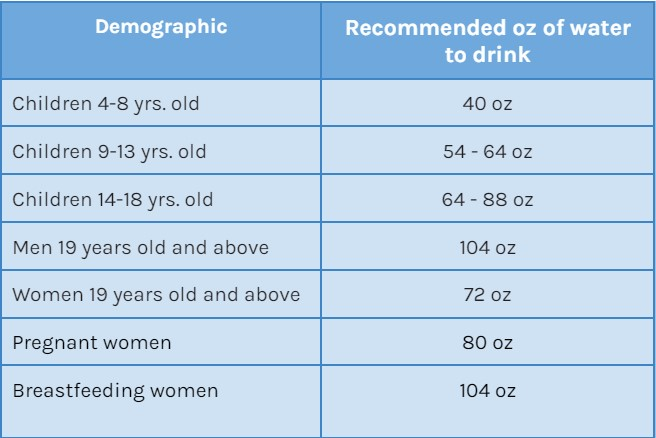
Your actual need depends on you: your weight, how much you sweat, and even whether you ate a salty bag of chips. The National Academies of Sciences actually recommends about 125 ounces for men and 91 ounces for women daily. That’s from all fluids, including food. (Yes, that watermelon you ate counts—cha-ching.)
But hold up—before you panic about hitting triple digits, remember this: 20% of your water comes from food. So for women, that’s closer to 73 ounces from drinks; for men, about 100 ounces. And no, coffee counts too—sorry, hydration purists, it’s not a diuretic myth.
The Math That Actually Works (Without a Calculator)
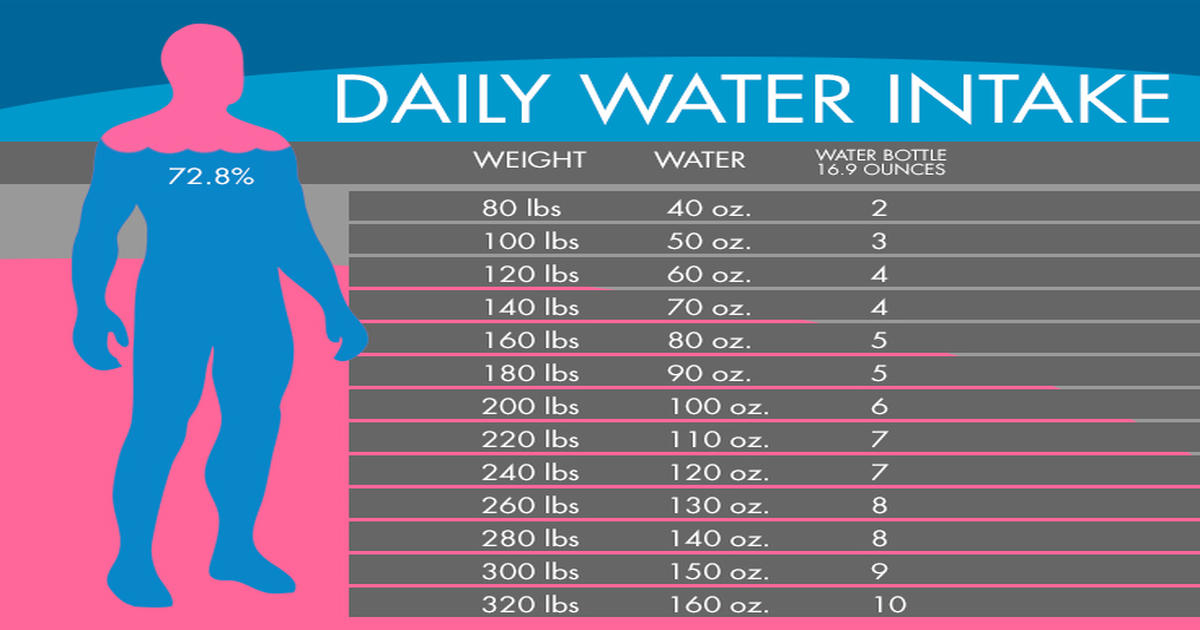
Here’s the friendlier formula: take your body weight in pounds, divide it by two. That number? That’s your baseline in ounces. Weigh 150 pounds? Aim for 75 ounces. Post-workout? Add another 12–16 ounces for every hour you sweat. Simple, right? I once tried tracking this with a bottle that has time markers—and then I lost the bottle. So I just refill my 24-ounce tumbler three times a day. Boom.
 How many oz in a glass of water?
But let’s be honest: you’re not going to measure every drop. The best gauge is your pee. (Yeah, I went there.) Pale yellow, like lemonade? You’re golden. Dark, like apple juice? Drink up, buddy. Clear like tap water? You might be overdoing it—yes, you can drink too much water, and it’s not a party.
When Your Body Screams "More!" (And When It Lies)
Your thirst mechanism is a late-night pizza craving—unreliable. By the time you feel thirsty, you’re already mildly dehydrated. But don’t chug like a frat boy at a keg stand. Sip consistently. I keep a water bottle on my desk, and it’s become my emotional support prop. Every time I look at it, I take a gulp. It’s a Pavlovian hack that works.
What about that advice to drink a full glass before every meal? It’s not just a diet trick—it genuinely helps digestion and prevents you from mistaking thirst for hunger. (I once ate an entire sleeve of Oreos thinking I was peckish. I was just thirsty. Regret.)
And please, for the love of hydration, don’t chug gallons before bed unless you want a 3 AM bathroom wake-up call. Your kidneys aren’t a 24-hour diner—they process about 27–34 ounces per hour. Pace yourself.
 B Fit B Hydrated - The Braden Aboud Memorial Foundation
Special Situations: When You’re Not Average
If you’re breastfeeding, add about 32 ounces to your daily quota. Milk is mostly water, and your body is a tiny dairy farm. If you’re hiking in 100°F weather or doing hot yoga, double your intake. I went for a run in July once and forgot water—I basically became a human salt lick. Not cute.
Also, older adults often have a dulled thirst sense. So if you’re reading this for your grandma, remind her to sip even if she doesn’t feel parched. And if you’re hungover? The Gatorade-and-water combo is your friend. Electrolytes matter. Sodium, potassium—they’re the sidekicks your water needs to actually soak into your cells.
The Final Sip: Just Listen to Your Body (and Your Headaches)
Here’s the ironic twist: I wrote this entire article while nursing a 32-ounce Nalgene bottle. And you know what? I feel like a million bucks—no headache, no brain fog. The real secret isn’t hitting some magic number; it’s consistency and awareness. Keep a bottle visible, check your pee color, and laugh at the "8 glasses" dogma.
So, how much water should you drink? Start with your body weight divided by two. Adjust for sweat, pizza, and hangovers. And if you’re still confused, just remember: a dry mouth is never a good look—on you or your skin. Now go refill that bottle. I’ll wait.
