How Much Salt Should Be In A Water Softener

So, you’ve inherited a water softener, that mysterious white tower in your basement that looks like a prop from a low-budget sci-fi movie. And now you’re staring at a giant ba...
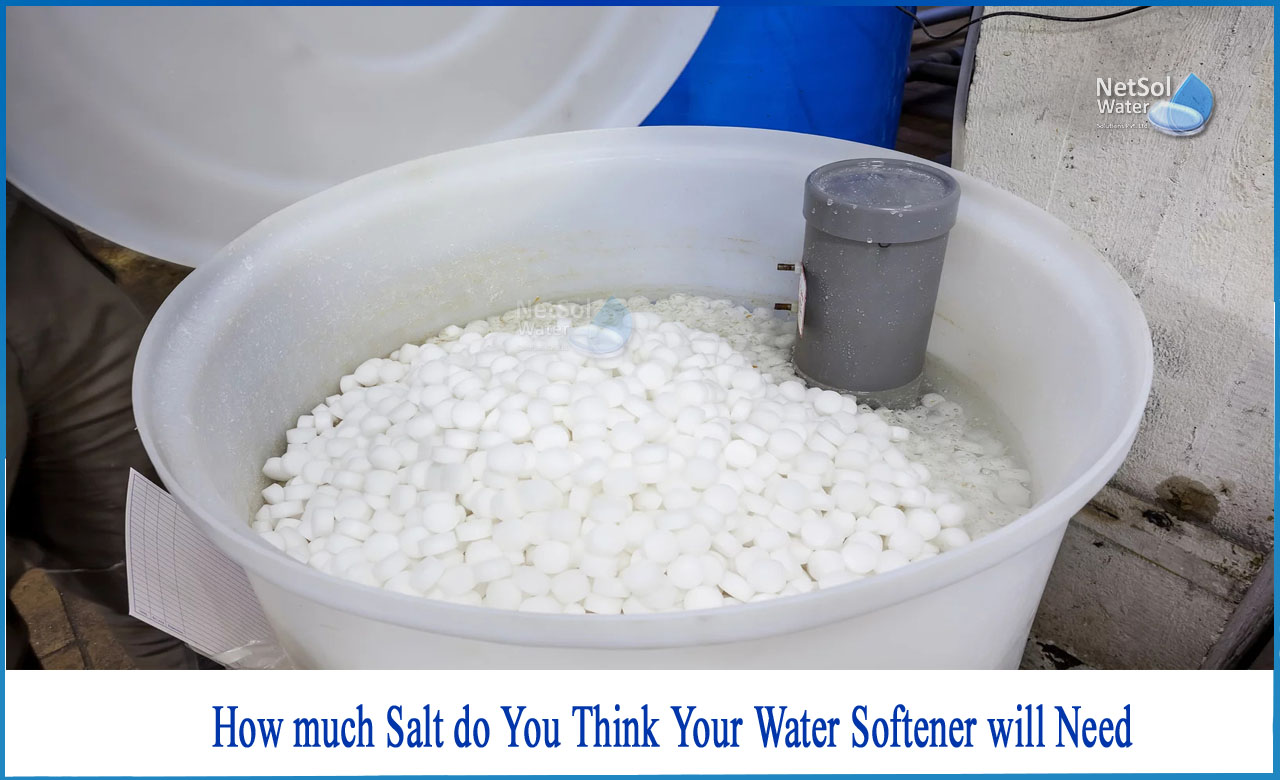
So, you’ve inherited a water softener, that mysterious white tower in your basement that looks like a prop from a low-budget sci-fi movie. And now you’re staring at a giant bag of salt, wondering, “How much of this stuff do I actually dump in there?” Don’t panic. You’ve come to the right place, where we turn plumbing anxiety into a mildly amusing brunch story.
The Golden Rule (And Why Your Basement Won’t Explode)
Here’s the simple, shirt-plucking truth: you should keep the salt level about halfway full in your brine tank. Yes, that sounds suspiciously like advice from a cryptic fortune cookie, but it works. If you fill it all the way to the top, the salt can “bridge” into a solid, rock-hard slab that your water softener can’t dissolve. Imagine a giant, salty hockey puck refusing to do its job. That’s your Monday morning.
At the other extreme, if you let it run too low, your softener will start using water without actually softening it. You’ll be showering in what I call “Bitter Regret Water.” Your hair will squeak, your dishes will spot, and your skin will feel like you just rubbed it with a chalkboard eraser. So, halfway is the sweet spot—like Goldilocks, but with more maintenance and less porridge.
Must Read
How Often Should You Check? (Spoiler: It’s Not Daily)
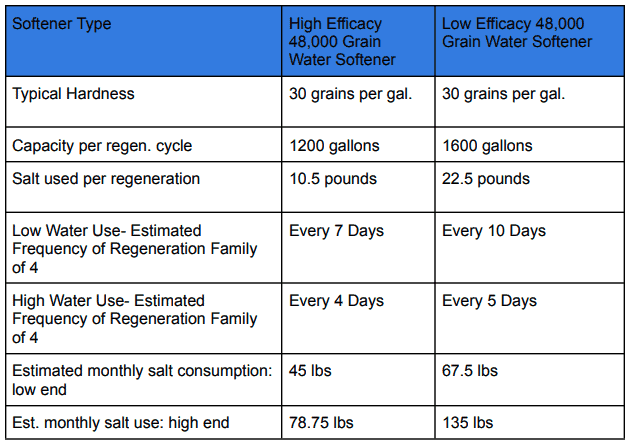
You don’t need to perform a daily salt inspection like you’re guarding Fort Knox. Check the salt level once a month. That’s it. Think of it as a gentle reminder: “Hey, you own an appliance.” If you have a family of four, you’ll likely need to add a full bag of salt every six to eight weeks. If you live alone and your biggest water use is a epic, two-hour TikTok bath, you might stretch that to three months.
Here’s a shocking fact: too much salt is worse than too little. Overfilling can cause salt bridges (that hockey puck effect), or worse, make your softener regenerate too often, wasting water and salt like a teenager using a garden hose for a water fight. Aim for “enough,” not “enough to build a new driveway.”
The Bag Size Deception (And Why You Should Ignore It)
You’ll see bags labeled “40 lbs” or “50 lbs” at the store. People see this and think, “Oh, I’ll just dump the whole bag in!” Don’t. Do. That. Unless you want to lift a 50-pound bag over your head while trying not to drop it on your foot—and then discover you’ve created a salt mountain that impairs performance. Most standard tanks hold about 200-300 pounds of salt total, so a single bag is just a small topping, not a full meal.
 Water Softener System How Much Salt at Glenda Macon blog
Instead, check the manufacturer’s instructions (the manual is that thing you shoved in a drawer three years ago). They usually tell you the ideal salt level in inches. If you can’t find it, a simple rule: keep the salt at least two inches above the water level but never above the top of the tank’s overflow tube. That tube is like a tiny chimney; cover it, and your softener will cough up salt water onto your floor. And salt water on concrete is just a fancy way to make a slippery, stain-prone mess.
The Three Weird Things Nobody Tells You
First, salt quality matters. Don’t buy the cheapest rock salt meant for melting ice on driveways. That stuff is like gravel mixed with dirt and dreams. Use “solar salt” or “evaporated salt” pellets—they’re cleaner and dissolve evenly. Cheap salt has insoluble debris that turns your water softener into a slow, sad sandpaper factory.
Second, your water softener uses salt to clean itself, not to make your water taste salty. It works by swapping calcium and magnesium (hard water) for sodium ions (soft water). The brine solution flushes those minerals away. You’re not drinking salt water; you’re drinking water that’s had a tiny bit of sodium swapped in. One glass of softened water has about as much sodium as two slices of bread. So unless you’re on an ultra-strict low-sodium diet, you’re fine. Your biggest danger is probably the bagel you’re eating with it.
 How Often to Add Salt to Your Water Softener | Team Austin
Third, if you see salt crusts forming on the lid of your tank, you’ve overfilled it. Congratulations, you’ve created a miniature salt flats ecosystem. An interior crust means your tank is too humid, and that can encourage bacterial growth. Yes, bacteria can live in a salt tank. It’s like a tiny, gross, salty beach party. Just remove the crust and reduce your salt level going forward.
The Conclusion: You’re Doing Great
Look, water softeners are not rocket science. They’re more like lawnmowers with a salt addiction. Keep the salt level halfway, check it monthly, and don’t use driveway salt. If you mess up once, the universe will forgive you. Your softener will not hold a grudge. It will just make your next shower feel vaguely un-soft, which is nature’s way of saying, “Hey buddy, refill the tank.”
Now go forth, be brave, and pour that salt with the confidence of a person who knows they’re one step away from having the best hair of their life. And if all else fails? Call a plumber and blame it on your “chronic salt confusion.” They’ve heard it all before.
