How To Get Hard Water Stains Out Of Clothes

So, you’ve just pulled your favorite white t-shirt out of the wash, and it looks like a leopard with a tragic mineral deficiency. Those chalky, crusty, grayish-white patches a...
:max_bytes(150000):strip_icc()/How-to-remove-water-stains-from-fabric-5080446_final-5826f7ba82d644768302f79856e33ef3.png)
So, you’ve just pulled your favorite white t-shirt out of the wash, and it looks like a leopard with a tragic mineral deficiency. Those chalky, crusty, grayish-white patches are the calling cards of hard water stains. In case you’ve been living under a limestone rock, hard water is just regular water that’s been on a bender with calcium and magnesium ions. They cling to your fabric like a needy ex, refusing to leave until you deploy serious countermeasures.
The good news? You don’t need a chemistry degree, a hazmat suit, or a down payment on a water softener. You just need some pantry staples and a willingness to get a little weird with your laundry. Let’s start with the heavy hitter: white vinegar. This acidic superhero dissolves mineral deposits faster than a toddler dissolves your patience in a candy aisle.
The Vinegar Soak: Your First Line of Defense
Fill a basin with hot water (as hot as your hands can stand, which is science’s way of saying “ouch-level warm”). Add one cup of plain white vinegar for every gallon of water. Not the fancy balsamic—save that for your salad.
Must Read
Submerge the stained clothes whole, then let them soak for 30 minutes to an hour. If the stains have been there since the Bush administration, give them an overnight soak. The vinegar fumes might make your kitchen smell like a pickle farm, but that’s a small price to pay for crisp, unstained whites.
After the soak, toss the clothes straight into the washing machine with your regular detergent. But here’s the surprise twist: add another half-cup of vinegar directly to the rinse cycle. It acts as a natural fabric softener and extra mineral-buster. Your clothes will smell like a ghost of vinegar for about ten minutes, then vanish—promise.
When Vinegar Fails: Enter the Lemon Juice Alliance
If your water is especially aggressive (like a bouncer who mistakes minerals for rowdy patrons), you need lemon juice. The citric acid is slightly stronger than vinegar and smells about a thousand times better. Squeeze fresh lemons or buy the bottled stuff from the store—no judgment here.
Mix equal parts lemon juice and water, then apply the solution directly to the stains with a spray bottle. Let it sit in the sun for an hour. The sun’s UV rays and the acid work like a superhero team-up: bleaching the stains while dissolving the crust. It’s basically photosynthesis for your laundry, minus the plant guilt.
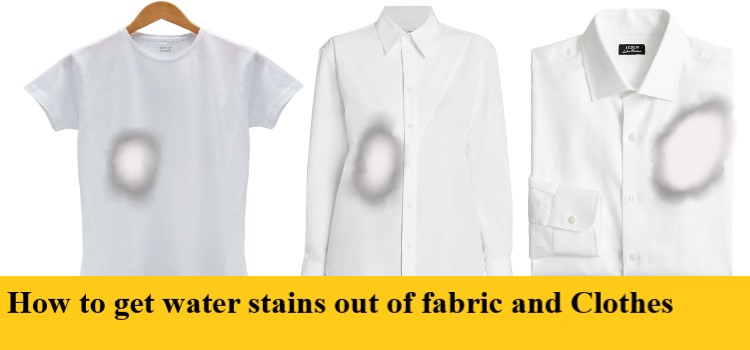 How to Remove Water Stains From Fabric & Clothes: 4 Ways
Pro tip: Don’t get lemon juice on your favorite silk blouse unless you want a polka-dot pattern of “oops.” Stick to cotton and synthetics for this method. If you do, your clothes will emerge weepy and a little bit wrinkly, but stain-free.
The Baking Soda Scrub: For Stubborn Crustaceans
Some mineral deposits are like that one guest who overstays at a party—they need a firm, abrasive push. Enter baking soda. Make a paste with three parts baking soda to one part water. It should look like toothpaste for a giant robot.
Rub the paste into the stain with an old toothbrush (not your current one, you monster). Scrub gently in circles for about two minutes. Baking soda is a mild abrasive, so it’ll physically scrape the minerals off the fibers without hurting the fabric. Think of it as a spa exfoliation, but for your socks.
Let the paste dry completely, then rinse with hot water and wash as usual. If you still see ghosts of stains, repeat the process. And if your clothes start looking like they’re made of chalk, you’ve officially entered the territory of hard water fabric armor, which is not a superpower anyone wants.
The Surprising Secret: Denture Tablets
Yes, you read that right. Denture tablets (the fizzy kind your grandma used for her teeth) are actually effervescent mineral dissolvers. Drop two or three into a sink of hot water with your stained clothes. Watch them fizz like a science fair volcano.
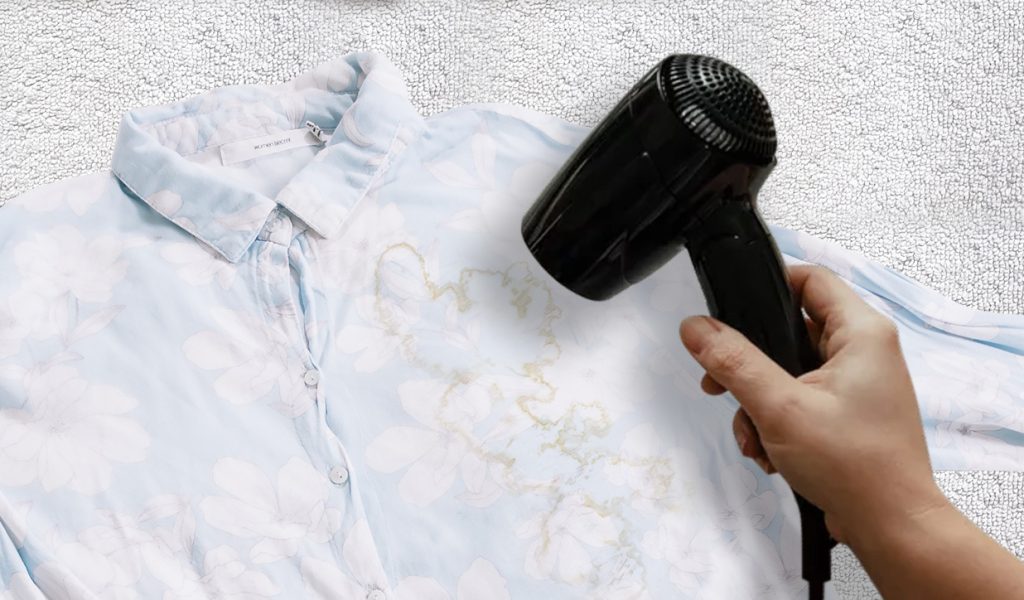 Hard Water Stains On Clothes – How To Remove Water Stains – NKSQU
Let them soak for 30 minutes. The chemical reaction breaks apart the calcium bonds like a tiny demolition crew. You’ll feel like a mad scientist, but your clothes will thank you. This method works especially well on white cotton and synthetic blends. Avoid it on delicate fabrics unless you want to create museum-quality lace.
Prevention: The Only Way to Truly Win
After you’ve defeated the stains, you don’t want them to return. The single best weapon is a commercial water softener—add it to every wash. Or, if you’re cheap (like me), add a half-cup of washing soda (sodium carbonate) to your detergent. It binds to the minerals so they can’t attach to your clothes. Think of it as a bouncer at the laundry club, ejecting the riffraff before they even get past the door.
Also, never use too much detergent. Hard water and excess soap form a sticky, gray scum that looks like a stain but is actually a soap-mineral hybrid. Use about half the recommended amount. Your washer will thank you, and no one wants to explain to guests why your “whites” are actually “limestone off-white.”
Final Myth-Busting: The Borax Truth
You might have heard that Borax is a miracle worker. And it kind of is—for boosting cleaning power. But here’s the surprising fact: Borax doesn’t actually dissolve hard water stains. It softens the water, which prevents new stains. So yes, add it to your wash cycle, but don’t expect it to remove existing crust. That’s a job for vinegar, lemon, or denture tablets—your new laundry hitting squad.
In the end, getting hard water stains out of clothes is 10% chemistry, 40% stubbornness, and 50% the willingness to treat your laundry like a crime scene. You’ve got this. Now go forth and reclaim your wardrobe from the calcium overlords. Your whites will be white again, and your neighbors will wonder if you secretly hired a laundry sorcerer. You don’t have to tell them otherwise.
:max_bytes(150000):strip_icc()/How-to-remove-water-stains-from-fabric-5080446_final-5826f7ba82d644768302f79856e33ef3.png&description=How+To+Get+Hard+Water+Stains+Out+Of+Clothes)