How To Get Rid Of Forever Chemicals In Body

You’ve heard the buzzword. Forever chemicals. PFAS—the scientific shorthand for per- and polyfluoroalkyl substances—are the uninvited guests that simply refuse to leave your b...
You’ve heard the buzzword. Forever chemicals. PFAS—the scientific shorthand for per- and polyfluoroalkyl substances—are the uninvited guests that simply refuse to leave your body. They lurk in your non-stick pan, your waterproof jacket, that takeout container you used last Tuesday. Some studies suggest nearly every American has detectable levels in their blood. But before you spiral into a doom-scroll, take a breath. Getting them out isn’t about a magical juice cleanse; it’s about a smarter, slower lifestyle shift that feels less like detox and more like a daily reset.
The first reality check: you can’t “sweat out” PFAS in a single hot yoga class. These chemicals are stubborn; they bind to proteins in your blood and organs. Think of them as that one friend who crashes on your couch and then starts rearranging your fridge. But—and this is the good part—you can help your body’s natural filtration systems work more efficiently. The liver and kidneys are your primary extraction team. Supporting them is like giving your in-house bouncers a better script for kicking out troublemakers.
Eat to Sweep, Not to Starve
Your diet is your most powerful tool, and it’s not about deprivation. Fiber is your new best friend—think oats, lentils, chia seeds, and leafy greens. Fiber binds to bile acids in your gut, and since PFAS like to hitch a ride on bile, you can effectively shove them out through your digestive tract. It’s like creating a human trash chute. Second, you want to increase your intake of folate (found in spinach, avocado, and asparagus) and vitamin C. Studies hint these nutrients help your body metabolize and flush out toxins more efficiently.
Must Read
Hydration is non-negotiable, but upgrade your game. Invest in a high-quality water filter certified to reduce PFAS. Activated carbon filters are a solid start; reverse osmosis systems are the gold standard. Drink more water so your kidneys can work as the high-pressure hose they are. Pro tip: add a squeeze of lemon—not for magic alkalinity, but for taste, so you actually drink the whole bottle.
The Great Swap-Out
You can’t out-exercise a bad exposure stream. Microwave popcorn bags are lined with PFAS to prevent grease from soaking through. Switch to stovetop popcorn or an air popper—it’s cheaper and makes you feel like a 1950s hipster. Fast-food wrappers and pizza boxes are also culprits. If you’re ordering takeout, transfer your food to ceramic or glass plates immediately. That five-second delay disrupts the chemical transfer from paper to your dinner.
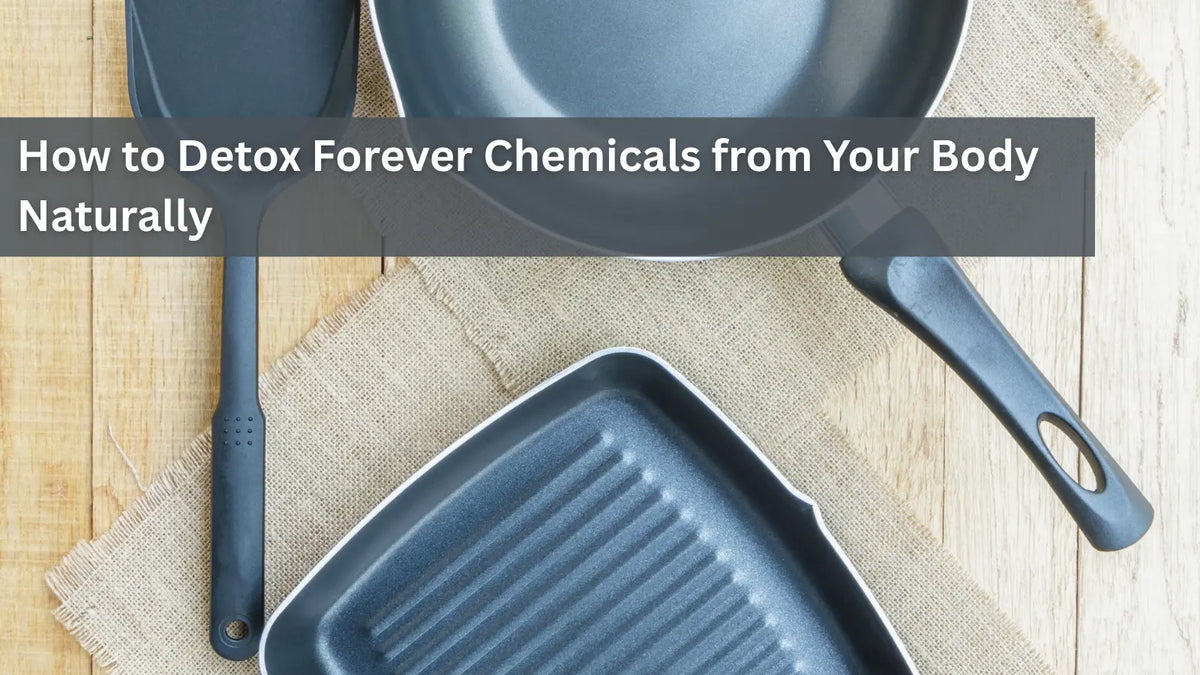
Your non-stick frying pan deserves a funeral. Once it’s scratched, it leaches PFAS directly into your omelet. Swap it for cast iron, stainless steel, or a quality ceramic pan. Cast iron even adds a little iron to your food, which is a win-win. And please, do not dry-clean your clothes unless absolutely necessary. The solvent perc is a whole other chemical villain, but many dry cleaners use PFAS-laden coatings. Look for a “wet cleaning” or “green” cleaner instead.
Fun fact: Dust is a major hidden source. PFAS shed from furniture, carpets, and electronics. Vacuum with a HEPA filter weekly, and damp-mop your floors. It’s boring, but it’s like giving your home a gentle exfoliation. Cultural reference alert: think of it as the Marie Kondo method for toxic chemicals. Does the dust spark joy? No. Say goodbye.
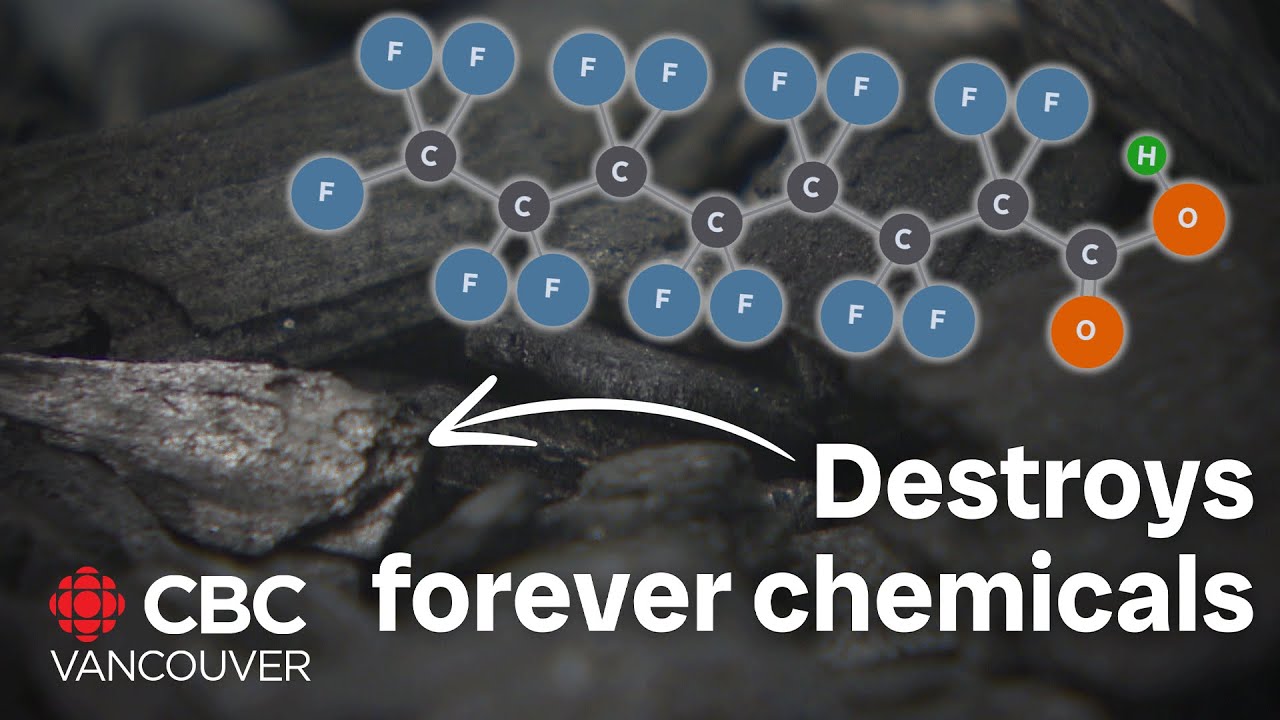 Forever chemicals are everywhere. Now we can get rid of them for good
Your Body’s Secret Weapon: Sweat and Sulfur
While a single sweat session won’t flush PFAS, regular exercise improves circulation and lymphatic drainage, which supports liver function. Saunas? They can help excrete some heavy metals and BPA, but evidence for PFAS is shaky. Still, a good sweat feels like a spiritual reset—and mental health matters in this chemical fight.
Here’s a surprising one: sulfur-rich foods like garlic, onions, and cruciferous vegetables (broccoli, Brussels sprouts) boost your body’s glutathione production. Glutathione is your master detoxifier, a tiny warrior that can bind to PFAS and escort them out. Add a clove of garlic to everything—your dinner, your salad, your mosquito-repelling plans. Your social life might suffer a little, but your cells will thank you.
One more cultural nod: remember the “clean eating” trend of 2014? Turns out, it was onto something. The simple act of eating whole foods—fruits, vegetables, lean proteins—naturally reduces your PFAS load because you’re skipping the processed, packaged junk where chemicals hide. It’s not a trendy diet; it’s a polite but firm conversation with your grocery store.
The Long Game
PFAS are called “forever” for a reason. Their half-life in the human body ranges from two to nine years, depending on the specific type. That’s not a reason to give up; it’s a reason to start today. Think of it like skincare—you won’t erase a decade of sun damage in one peel, but consistent habits build resilience. Reducing exposure while supporting elimination is your only viable strategy.
 Toilet paper adding to 'forever chemicals' in wastewater: study
Check your local water quality report (search your city’s annual Consumer Confidence Report). If PFAS levels are high, consider a filter or even bottled water from a source that tests regularly. Don’t panic; just adapt. And stop buying stain-resistant carpets or waterproofing sprays for shoes. That 1990s “no-stain” promise is a lie wrapped in a convenience.
Finally, a fun little fact: Breastfeeding can help reduce a mother’s PFAS load because these chemicals pass into breast milk. This isn’t a recommendation to have a baby for detox—simply a reminder that our bodies have ancient, smart systems. They know how to move things along when given the chance.
Your daily reflection: This isn’t about perfection. You will eat a takeout burger on a busy Tuesday. You will buy a raincoat that might have a chemical coating. That’s okay. The goal is to make more choices that gently nudge your body’s cleaning crew, not fewer. Start with your water, your leafy greens, and your cast-iron pan. The rest is just a conversation with the world—one that says, “Thanks, but I’ll take mine without the forever add-ons.”
Because life is too short to worry about chemicals that stick around longer than your ex. Live easy, eat fiber, and keep moving. Your body knows the way out.
