Why Is Warm Water Better For You Than Cold

Let’s be honest—there’s something undeniably satisfying about chugging an ice-cold glass of water on a scorching summer day. It feels like instant relief, a crisp reset button...

Let’s be honest—there’s something undeniably satisfying about chugging an ice-cold glass of water on a scorching summer day. It feels like instant relief, a crisp reset button for your soul. But if we’re talking about what your body truly craves for long-term wellness, warm water quietly steals the spotlight.
Here’s the scoop: warm water is not just a cozy beverage for tea lovers. It’s a gentle, internal ally that works with your body’s natural rhythms, rather than shocking them. Think of it as the difference between a slow, restorative stretch and a sudden sprint—both have their place, but one is far kinder to your system.
The Digestive Dance
Your digestive system operates like a finely tuned engine, and warm water acts like a premium fuel. It helps break down food more efficiently, allowing nutrients to be absorbed with less effort.
Must Read
Cold water, on the other hand, can momentarily constrict blood vessels in the gut, slowing down digestion. A warm glass in the morning, often called “hydrotherapy” in Ayurveda, signals your body to start the engine smoothly.
Fun Fact: The Japanese Morning Ritual
In Japan, it’s common to start the day with a cup of sayu—plain warm water sipped slowly. This tradition is believed to kickstart metabolism and flush the digestive tract. It’s a simple, almost meditative practice that costs nothing and pays dividends in comfort.
Circulation and Muscle Magic
Warm water acts as a natural vasodilator, meaning it relaxes and widens your blood vessels. Improved circulation means oxygen and nutrients travel more freely to your muscles and organs.
Have you ever noticed that a warm bath eases sore muscles better than a cold plunge? That’s because heat encourages blood flow, reducing stiffness and tension. Drinking warm water after a workout can similarly help your body transition into recovery mode more gracefully.
Cold water, while excellent for reducing inflammation after an injury, can actually tighten muscle fibers if consumed during exercise. Warm water is the better choice for gentle rehydration and sustained energy.
Practical Tip: Post-Meal Sip
Next time you finish a heavy meal, skip the iced tea. Instead, sip a cup of warm water with a squeeze of lemon. It helps emulsify fats and supports your liver in processing the feast. Your stomach will thank you with less bloating.
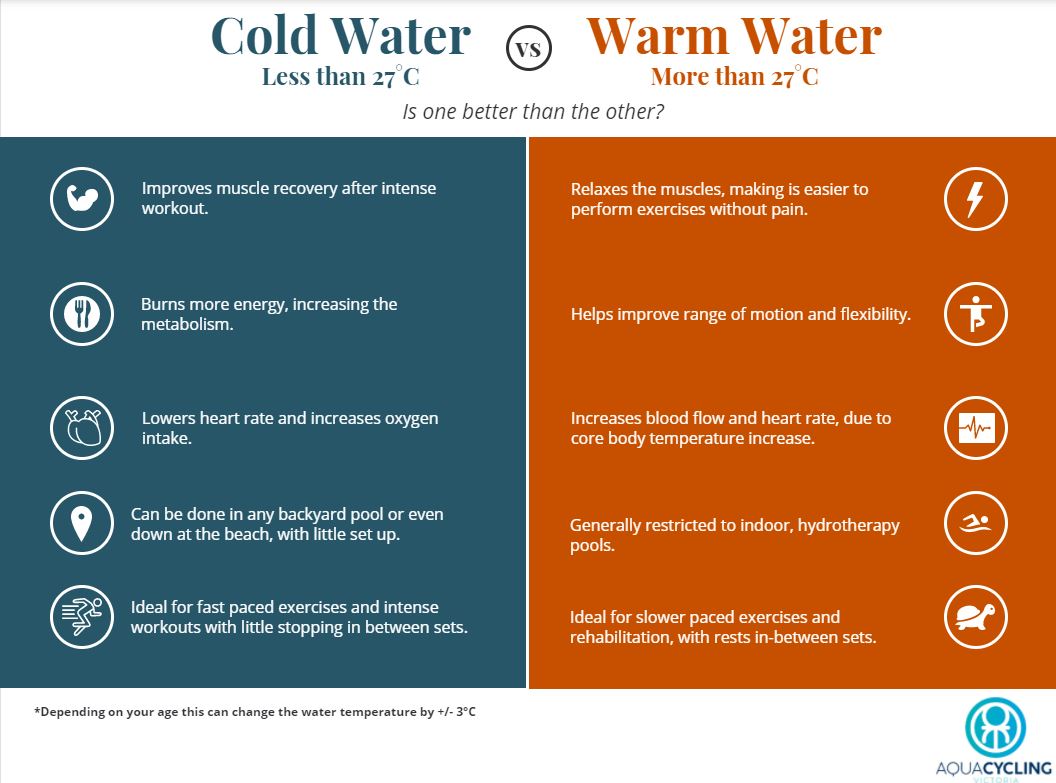 Why Is Cold Water Always On The Right at Matthew Kathryn blog
Nasal Passages and Seasonal Comfort
If you’ve ever had a cold, you know the magic of hot tea for a stuffy nose. Warm water loosens mucus and helps clear sinus congestion far better than cold drinks.
Cold water can actually thicken mucus, making it harder to expel—not ideal when you’re already feeling clogged. A warm drink acts like a gentle internal steam, offering relief that’s both soothing and practical.
This is why traditional remedies from India to Italy recommend warm water with honey and spices for seasonal sniffles. It’s not just folklore; it’s biology in a cup.
Fun Fact: The Science of Temperature
Your body has to work to bring cold liquids up to its core temperature of about 98.6°F (37°C). This process burns a few extra calories, but it also stresses your system if done habitually. Warm water requires almost no energy to absorb, so your body can focus on other tasks—like healing or repairing.
Detox Without the Drama
You’ve probably heard of detox diets involving lemon water or herbal teas. Warm water plays a key role here because it increases body temperature slightly, promoting mild sweating and flushing toxins through the skin and kidneys.
Cold water, by contrast, can slow down these elimination processes. Think of warm water as a gentle spring cleaning for your internal plumbing—no harsh chemicals, no deprivation, just a simple, consistent practice.
In traditional Chinese medicine, warm water is considered “yang” energy—warming, activating, and life-giving. Cold water is “yin”—cooling, but potentially stagnating if overused. Balance is everything.
 Hot And Warm Water Difference
Practical Tip: The Pre-Bed Wind-Down
Swap your last glass of cold water for warm water an hour before sleep. It can relax your nervous system and prepare your body for rest. Pair it with a few deep breaths, and you’ve got a mini ritual that rivals any fancy sleep aid.
But What About Cold Water?
Let’s be fair—cold water isn’t the villain. After an intense run, it can help lower core body temperature and reduce muscle inflammation. In hot climates, it’s a quick way to cool down.
The key is timing and context. Cold water is excellent for acute situations; warm water is better for daily, restorative hydration. Most of us live our lives in the “daily” zone, not the “post-marathon” zone.
Fun Fact: The Olympic Choice
Many elite athletes drink warm water during training sessions to improve blood flow and prevent cramps. They save cold water for extreme heat or post-event recovery. If pros optimize their hydration with this simple switch, maybe we should too.
A Simple Shift for Everyday Life
You don’t need to become a warm-water zealot or throw away your ice cubes. Just consider adding one warm glass—first thing in the morning, or after meals—to your routine. It’s a small, inexpensive habit that aligns with centuries of wisdom and modern science alike.
Think of it as a quiet, comforting agreement with your body: I’ll take things slow, and you’ll work better. Warm water doesn’t promise miracles, but it offers a gentle nudge toward equilibrium.
Next time you reach for a drink, pause for a moment. Ask yourself what your body needs right now—a jolt of cold energy, or a warm, steady embrace? Most days, the answer is warmer than you think.
