How Does Reverse Osmosis Water Filter Work

So, you’ve heard about reverse osmosis, or RO, and you’re thinking, "What in the world is that?" I get it. It sounds like some kind of sci-fi plumbing, right? Like something f...
So, you’ve heard about reverse osmosis, or RO, and you’re thinking, "What in the world is that?" I get it. It sounds like some kind of sci-fi plumbing, right? Like something from a spaceship, not your kitchen sink. But I promise, it’s way simpler than it sounds.
Let’s ditch the jargon and just talk about it like normal people. Imagine you’ve got a super-fancy sieve. Not a colander for pasta, but something way more extreme. This sieve is so fine, it catches almost everything that isn’t pure water.
Think about what’s in your tap water. We’ve got minerals like calcium and magnesium. We’ve got chlorine (you can smell that, right?). Maybe some lead, pesticides, or even tiny bits of plastic. Gross, I know.
Must Read
Reverse osmosis is basically water’s personal bouncer. It’s the guy at the club who says, "Sorry, you’re not on the list," to all those unwanted guests. But how does that bouncer work? Let’s break it down in a fun way.
The Squeeze Is Real
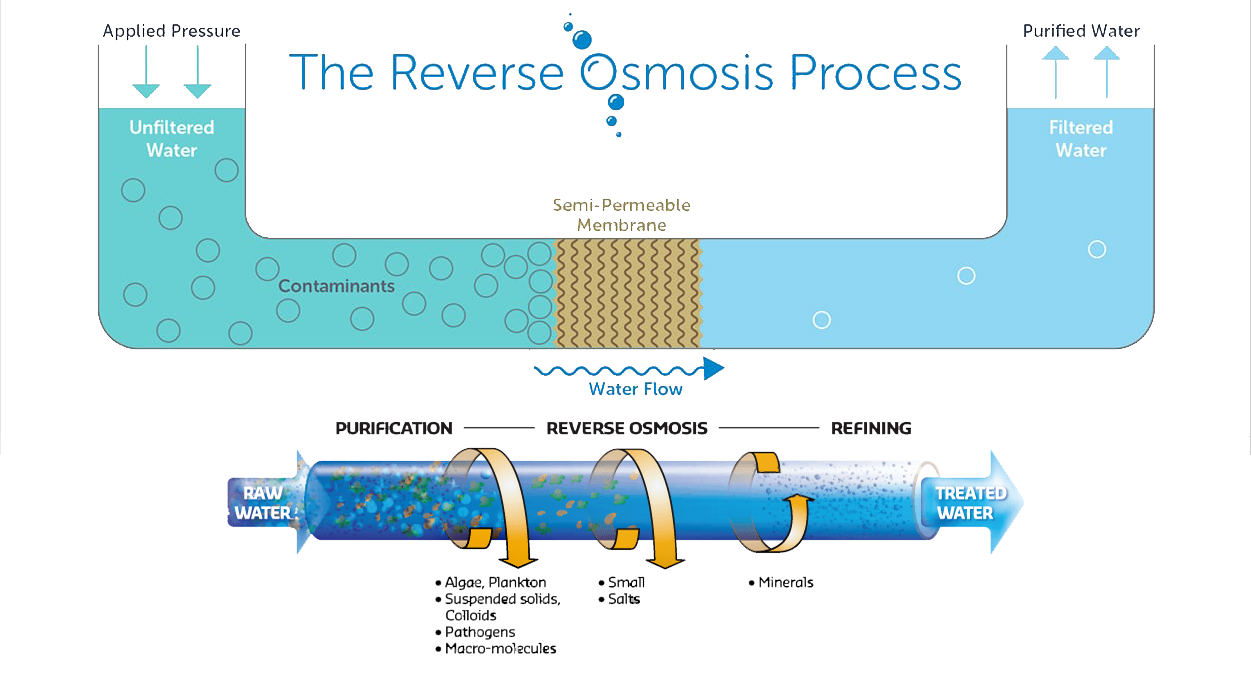
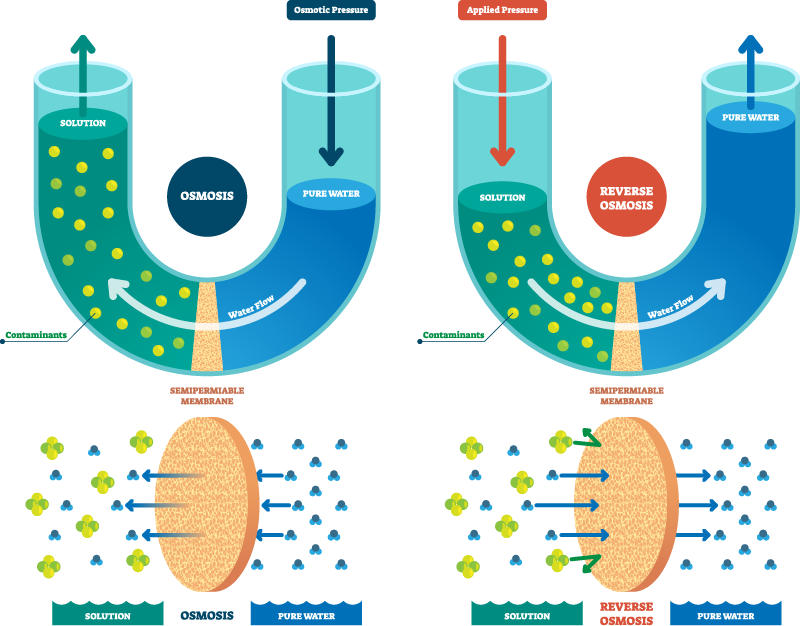
Here’s the secret: RO doesn’t use a filter you can see, like a Brita pitcher. It uses something called a semipermeable membrane. That’s a fancy word for a super-thin sheet with microscopic holes.
These holes are tiny. I mean, laughably small. Only water molecules (H2O) can squeeze through them. Everything else—salts, metals, bacteria—is just too big to fit. It’s like trying to shove a beach ball through a keyhole.
But here’s the twist: water doesn’t just naturally flow through this membrane. You have to force it. That’s the “reverse” part of reverse osmosis. You’re pushing water against its natural flow. It’s stubborn, and we have to be more stubborn.
Pressure Makes Perfect
So, how do you force it? With water pressure. Your home’s water supply already has pressure, but for RO to work, it needs a little boost. That’s why most RO systems have a booster pump or rely on your existing line pressure.
This pressure shoves the water through the membrane. Think of it like a toddler pushing a toy through a fence. The toddler is the pressure, the fence is the membrane, and the toy is the water. The toys that are too big just stay behind.
 How does a reverse osmosis water filtration system work? - Wolverine
And those big toys? They become what’s called concentrate or brine. Basically, all the nasty stuff gets flushed away down a drain. It’s the price you pay for perfect water.
It’s a Whole Process, Not Just a Filter
You might think the membrane does all the work, but nope. A good RO system has a whole party line-up. First, there’s a sediment filter. This catches big chunks like sand, rust, and dirt. It’s like a bouncer checking for weapons.
Then, you have a carbon filter. This one tackles the taste and smell stuff, like chlorine. It’s the barista of the system, making sure the water doesn’t taste like a swimming pool. After that, the water hits the star of the show: the RO membrane.
After the membrane, the water goes into a storage tank. Why? Because the RO process is slow. It’s like a marathon, not a sprint. You can’t get a glass of water instantly; it takes time for the tank to refill.
Finally, water often passes through one more polishing filter right before it comes out of the faucet. This gives it that final, crisp taste. It’s the cherry on top of your hydrating sundae.
What Actually Gets Removed?
Okay, let’s get real for a second. What does this magical membrane actually kick out? A lot. We’re talking about 95% to 99% of total dissolved solids (TDS). That includes lead, arsenic, fluoride, nitrates, and even some viruses.
But here’s the kicker: it also removes good minerals like calcium and magnesium. Some people hate this. They say the water is "dead" or too acidic. Others, including me, think it tastes amazing—clean and smooth.
 Why Reverse Osmosis is the Better Choice for Clean Water – Go Lime
You can always add minerals back in later if you want. There are fancy cartridges for that. But honestly, have you ever tasted fresh RO water? It’s so pure it feels like a hug for your taste buds.
Is It Worth the Fuss?
Let’s be honest: RO systems are a bit dramatic. They waste a lot of water. For every gallon of pure water you get, about 3 to 4 gallons go down the drain. That’s its main downside—it’s a thirsty machine.
They also take up space under your sink. You’ll have a little tank, some tubes, and a separate faucet. Your cabinet might get a bit cluttered. But hey, organization is overrated if the water is this good, right?
And the cost? You need to replace filters every six months to a year. The membrane lasts 2-3 years. It’s not free, but it’s way cheaper than buying bottled water. Plus, you save the planet from plastic bottles. Win-win.
So, Should You Get One?
If your tap water tastes like a chemistry experiment, RO is a game-changer. It’s great for places with hard water or known contaminants. If you live in a city with great municipal water, you might not need it.
But for me? I love knowing that my ice cubes are dead-clear and my coffee tastes like it was brewed by a mountain spring. It’s a little bit of luxury that you experience every single day. And that’s pretty cool.
So, next time you take a sip of that super-clean water, just think: that little drop went through an epic, high-pressure obstacle course just for you. It earned its spot in your glass. Cheers to that, my friend.
