How Much Is A Reverse Osmosis Water System

So, you’re thinking about a reverse osmosis water system. You’ve heard the fancy name. You imagine pure, crisp, mountain-spring water on demand. But then you wonder: How much...
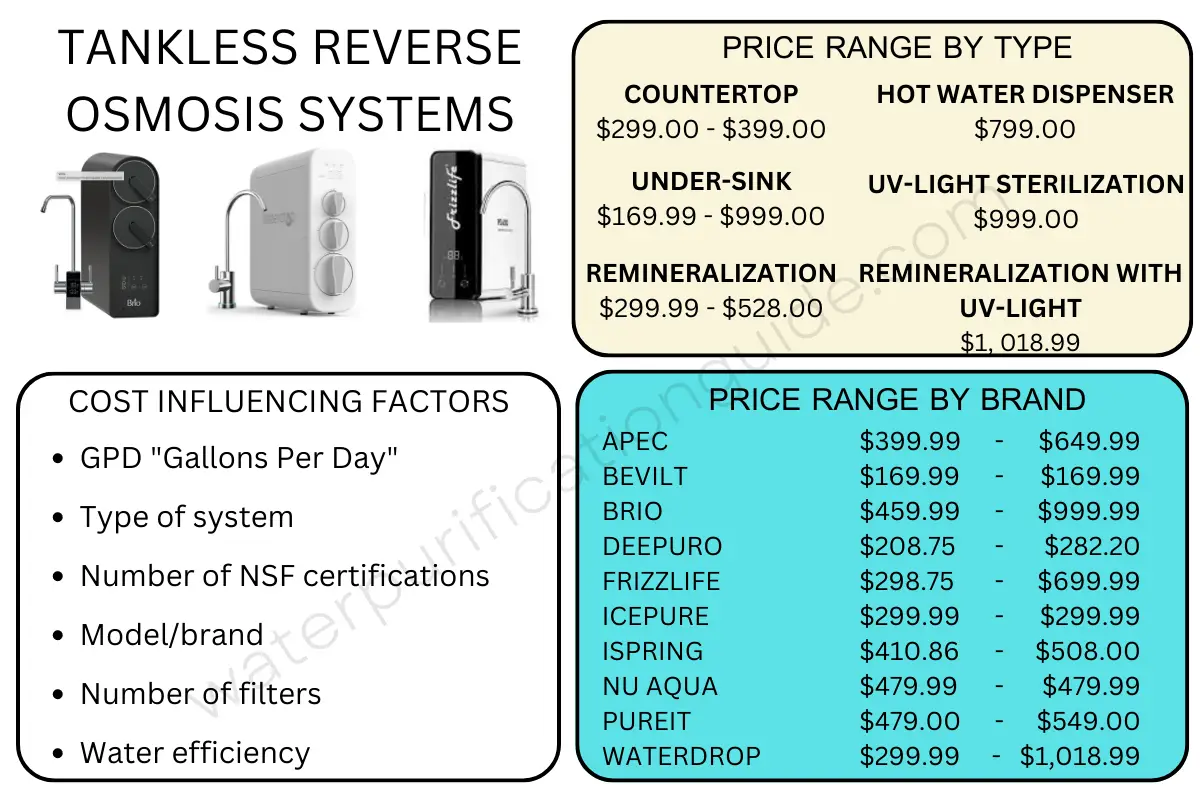
So, you’re thinking about a reverse osmosis water system. You’ve heard the fancy name. You imagine pure, crisp, mountain-spring water on demand. But then you wonder: How much does this magical water-maker actually cost?
Buckle up. It’s a wild ride from cheap to “did I just buy a car?” The truth is wildly different depending on what you want. Let’s break it down, piece by bizarre piece.
The “Wait, That’s It?” Entry Level
You can grab a countertop RO system for under $150. Seriously. It’s a plastic box that plugs in and gurgles like a happy alien. It’s perfect for renters or people scared of drilling holes in their sink.
Must Read
But here’s the funny part: these cheap ones are slow. Like, filling a glass takes a full minute. You’ll develop patience. Or a new hobby watching the drip-drip-drip.
Pros: No installation, cheap, and you can take it to your beach house. Cons: It takes up counter space. And your cat will stare at it constantly.
The Under-Sink Surprise (From $200 to $600)
This is the classic setup. A hidden tank under your sink. A little faucet on your counter. It feels like secret spy gear for your kitchen.
Prices start around $200 for basic models. They remove all the weird stuff—lead, chlorine, that weird “pool” taste. But the funny detail? They waste water. Yep, for every gallon of purified water, they dump 3 to 4 gallons down the drain. Your plants will judge you.
Better models with “zero waste” technology jump to $500–$600. They recycle that backwash water. Your plumbing bill? Not funny. But your conscience feels lighter.
The “Whole House” Monster (From $1,500 to Over $5,000)
Okay, now we’re in rich-uncle territory. A whole-house RO system filters every drop entering your home. Showers feel like bottled water. Your dog drinks like royalty.
The cost? Insane. Systems start at $1,500 and can hit $5,000+ with installation. Why so much? They need huge, scary-looking tanks. And a pump. And a plumber who owns a truck you could live in.
 Best Reverse Osmosis Systems Of 2022 (Reviews & Guide)
Funny fact: If you have well water, you might also need a pre-filter. That’s another $500. Suddenly, your water is cleaner than your social calendar.
The Hidden Costs (The Real Comedy)
Nobody tells you about the ongoing costs. Imagine buying a pet that eats filters. Every 6 to 12 months, you replace the sediment filter. That’s $30–$60. Then the carbon filter. Another $40.
The RO membrane itself? That expensive heart of the system lasts 2–3 years. Replacement? $100–$200. Add a UV light for bacteria? Another $150. Suddenly, your water bill gets a monthly subscription fee.
Pro tip: Some systems have “filter change” alarms that beep at 3 AM. Test your marriage before buying one.
The Funny Middle Ground: “I’ll DIY It”
DIY kits are everywhere. For about $180, you get a pile of tubes that looks like a mutant octopus. You watch a YouTube video. You swear. You realize you ordered the wrong connector.
If you succeed, you save money. If you fail, you flood your kitchen and pay a landlord $400 in damages. The gamble is delicious. Also messy.
What About Those “$30” Faucet Filters?
Don’t be fooled. Those little Brita-style faucet attachments? They are not reverse osmosis. They use carbon or a mesh. They remove some taste, but not the tiny, scary stuff like arsenic or fluoride.
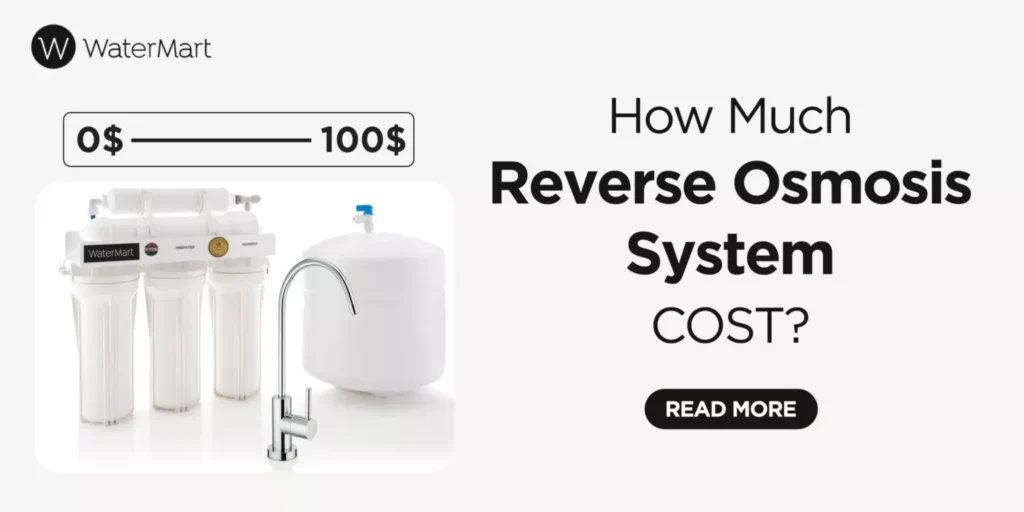 Reverse Osmosis Systems for Kitchens - WaterMart
Real RO strips out everything. Even the good minerals. That’s why some systems add minerals back in. It’s like a water spa that edits your memories.
The Final Funny Math
So, how much? For a decent under-sink setup with installation and first-year filters? Expect $350 to $700. For whole-house? You’re looking at $2,000 to $5,500, easy.
Now here’s the funny part: is it worth it? If your tap water tastes like a swimming pool, yes. If you live in Flint, Michigan, definitely yes. If your water is already great, you just bought a very expensive plastic ornament.
A Quirky Final Thought
Reverse osmosis water is so pure, it can leach minerals from your pipes. Old homes? That pure water might dissolve lead from soldered joints. You buy a system to remove lead, but it makes the water more aggressive. Irony tastes delicious.
Also, the water is so clean, plants hate it. They need the minerals. So your RO water is for you, not your ficus. The ficus gets tap water. It’s a social hierarchy in your kitchen.
Should You Buy One?
If you’re a curious nerd who loves science and clean water, yes. It’s a fun, geeky upgrade. If you want a simple glass of water, just buy a filter pitcher and save the drama.
The final cost? Answer: it depends. But the real investment is in curiosity. You’ll learn about membranes, pressure gauges, and TDS meters. You’ll annoy dinner guests with facts about reverse osmosis.
And that? That’s priceless. Or at least $350 plus shipping.
