What Is Better Distilled Or Purified Water

The other day, I watched my friend, let’s call him Dave, stand in the water aisle of a grocery store for a solid ten minutes. He was staring at two big jugs like they held the...
The other day, I watched my friend, let’s call him Dave, stand in the water aisle of a grocery store for a solid ten minutes. He was staring at two big jugs like they held the secrets to the universe. One said “Distilled,” the other “Purified.” He finally grabbed both, looked at me, and said, “I’m just going to buy both and hope my plants don’t die.” Classic Dave.
I get it. Standing in that aisle, you feel like you’re deciphering a secret code. It’s just water, right? How different can it be? Well, friend, as it turns out, the difference is subtle but important, especially if you care about what’s actually going into your coffee maker… or your body.
Let’s break it down without the chemistry textbook, shall we? Both distilled and purified water have been processed to remove impurities. The big difference is exactly how they strip those unwanted particles out.
Must Read
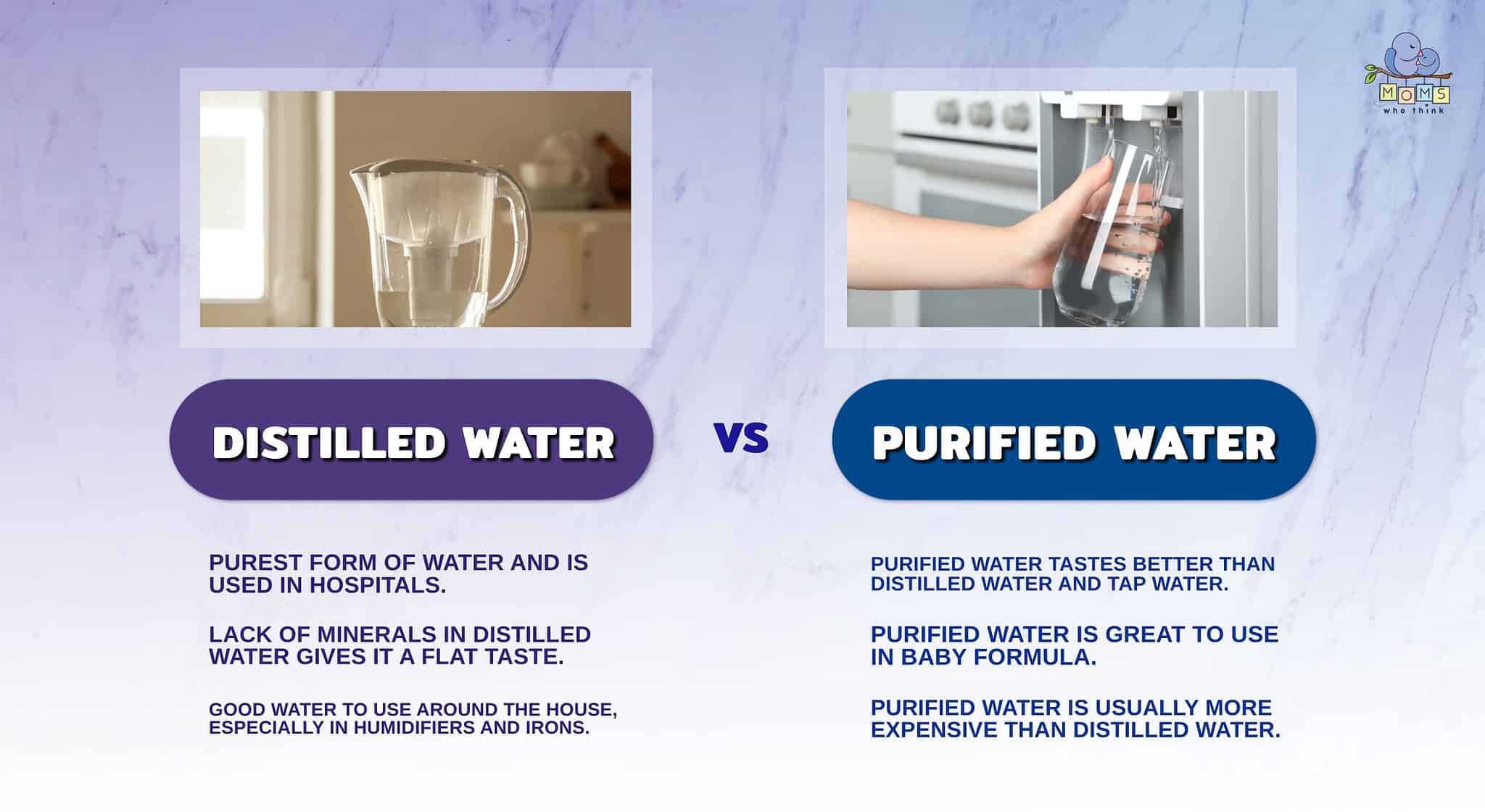
Distilled water is the dramatic one. It starts as regular water, gets boiled into steam, and then that steam is cooled back into liquid. It’s like the water goes on a little vacation to leave all its baggage behind. The result is incredibly pure H₂O.
Distillation is extremely effective at removing almost everything: minerals, bacteria, viruses, heavy metals, you name it. It’s the gold standard for purity when you need it, like in a lab or for a specific medical device. Your car battery probably loves it, too.
But here’s the ironic twist: too pure can be a thing. Because all those minerals are gone, distilled water has a flat taste. It can also pull minerals from whatever it touches, which is why it’s not the best for your fancy stainless steel water bottle long-term. (Yeah, your bottle might start rusting. Oops.)
Purified water is the more sociable cousin. This is a broad category that includes water filtered through reverse osmosis, carbon filters, or deionization. It’s cleaned, but not completely stripped of its personality. It typically keeps a few beneficial minerals like calcium and magnesium.
The result? Purified water tastes smoother and more “drinkable” to most people. It’s less aggressive on your pipes, your appliances, and your digestive system. Most bottled waters marketed as “purified” are actually just regular tap water that went through reverse osmosis.
 What's the Difference: Purified Water Vs Distilled Water? | H2GO Water
So which one is “better”? Let’s think about your use case, because there is no one-size-fits-all answer. It’s like asking if a sports car is better than a pickup truck. It depends on what you’re hauling.
When to choose Distilled:
For your appliances: If you have a CPAP machine, a steam iron, or a car battery, use distilled. The lack of minerals prevents scaling and buildup. Your coffee maker, too, but only if you want to clean it less often.
For specific medical reasons: Some people need ultra-pure water for nasal rinses or for mixing baby formula if you’re worried about contaminants. Distilled is your safest bet here. Your baby deserves the VIP treatment.
For plants that hate minerals: Some carnivorous plants or orchids are divas. They prefer distilled water because regular water can burn their roots. Let them be dramatic; they’re plants.
When to choose Purified:
For drinking every day: This is the winner for your water bottle. The taste is better, and you get trace minerals. Your body will thank you for not being a mineral-scavenging sponge. Hydration without the side of existential void.
 Distilled vs. Purified Water: What’s the Difference? – Waterdrop Europe
For general household use: Filling your humidifier or kettle? Purified water is fine and won’t cause major issues. It’s also cheaper than distilled, since the process is faster.
For cooking and making ice cubes: Distilled water makes weird, cloudy ice cubes because it lacks dissolved gases. Purified water makes clear, tasty ice that doesn’t make your iced tea taste like a hospital. Trust me on this.
The final verdict (no drama, I promise)
If you have one bottle of each on your counter, you’re already ahead of 80% of people who just drink tap. But if I had to pick a “better” for daily life, it’s purified water—specifically reverse osmosis purified. It’s clean enough to be safe, but friendly enough to drink all day.
Distilled is like a surgical tool: amazing for its very specific job, but weird to use for everything else. Purified is like your favorite pair of jeans: comfortable, reliable, and perfectly fine for a road trip. Plus, Dave’s plants? They drank the purified water and lived. The distilled made one fern turn yellow. Case closed.
So next time you’re in that aisle, just ask yourself: What are you actually trying to accomplish? If the answer is “drink good water and not overthink it,” grab purified and walk away. Your brain—and your taste buds—will thank you.
