What Is The Brine Well In A Water Softener

Ever wondered what’s going on inside that giant plastic drum next to your water heater? You know, the one that makes your showers feel silky and your dishes spotless? Well, at...
Ever wondered what’s going on inside that giant plastic drum next to your water heater? You know, the one that makes your showers feel silky and your dishes spotless? Well, at the heart of that magic is something called the brine well.
It sounds like a secret underground lake, right? Honestly, it’s way simpler—and cooler—than that. Think of it as the saltwater command center for your whole house.
So, What Actually Is a Brine Well?
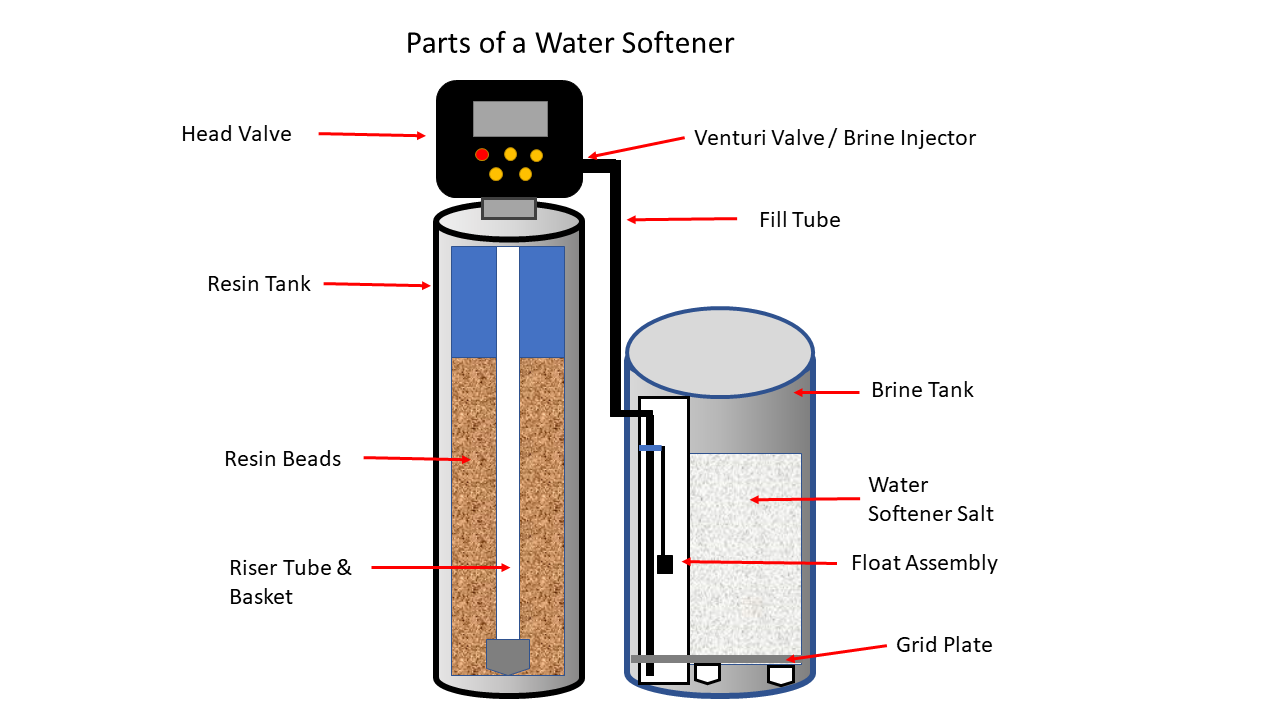
The brine well is just a fancy name for the inner tube or compartment inside your water softener where the salt lives and dissolves. It’s usually a tall, cylindrical chamber that sits inside the larger brine tank.
Must Read
Here’s the trick: the well is open at the bottom. So water can flow in from the tank, dissolve the salt, and create a super-concentrated saltwater solution—aka brine.
Without this little well, your softener would just be a big salty bucket. Not very useful for washing your hair, is it?
Why Should You Care? Because It’s Basically a Science Experiment
Your water softener works by swapping hard minerals (like calcium and magnesium) for sodium. That’s the chemistry part. But to do that, it needs a kick of brine every few days to “regenerate” or clean itself.
The brine well is the VIP lounge where that kick gets prepared. It ensures that only the liquid saltwater—not the chunks of salt—gets sucked up into the softener’s main valve. Imagine trying to drink a milkshake through a straw with big cookie chunks… you’d be frustrated.
That’s the brine well’s job: keep the chunks out, let the liquid flow. It’s the bouncer at the club of water softening.
 Water Softener Brine Tank Parts Diagram and Function
How Does It Actually Work in Everyday Life?
Let’s paint a picture. You add those big bags of salt pellets to the tank. They pile up around the brine well, looking like a tiny snowdrift. When the softener gets hungry for brine, it sends a signal.
Water rushes into the bottom of the tank, dissolves the salt near the well, and the resulting brine gets sucked up through a little float valve inside the well. It’s the same principle as a saltwater aquarium, but for your pipes.
The best part? This whole process happens while you’re asleep. You never even see the brine well work. It’s like a loyal night elf doing all your dirty work in the dark.
Why Is the Brine Well So Cool? A Few Fun Comparisons
Think of the brine well as a giant saltwater straw. Without it, the salty liquid would be muddy and cloggy. With it, you get a clean, concentrated sip every time.
Or imagine your water softener is a car. The brine well is the fuel filter. It makes sure only pure, high-octane saltwater reaches the engine (your resin beads). No one wants sludge in their engine, right?
Here’s another one: it’s like a coffee maker’s water reservoir. You dump the salt in, but the well ensures only the right amount of dissolved “coffee” gets brewed for the regeneration cycle. Too much salt can actually damage the system.
 Salt Sludge In Water Softener _ what is the brown foam and sludge in my
When Things Go Wrong (Yes, It Happens)
Sometimes the brine well can get a little cranky. If the float valve inside gets stuck, your softener might not regenerate properly. You might notice your water suddenly feeling sticky or your dishes having spots.
Or, if the well itself cracks, salt can escape and cause a “salt bridge” (a hard crust of salt blocking the bottom). That’s like putting a lid on your milkshake and forgetting to take it off.
The good news? Most brine wells are super durable and last for years. Just check it once in a while—lift the lid, peek in, and make sure the salt looks like nice, loose crystals. If it looks like a solid rock, it’s time to break it up.
The Takeaway: It’s Salty, It’s Simple, It’s Essential
So next time you pour salt into your water softener, give a little nod to the brine well. It’s the quiet hero making sure your water stays soft, your skin feels smooth, and your pipes don’t get clogged with scale.
It’s not a mystical underground spring—just a clever plastic tube full of salty water. But honestly? That’s its own kind of cool.
You don’t have to be a plumber to appreciate it. Just pour the salt, let the well do its job, and enjoy a better shower tomorrow morning. Cheers to that.
