How To Get Sulphur Smell Out Of Well Water

So, you turn on the tap, expecting a crisp, clean glass of water, and instead you’re hit with a smell that takes you straight to a rotten egg. That’s sulfur, my friend, and it...

So, you turn on the tap, expecting a crisp, clean glass of water, and instead you’re hit with a smell that takes you straight to a rotten egg. That’s sulfur, my friend, and it’s a common—but totally fixable—problem with well water. The good news? That stink is mostly just hydrogen sulfide gas bubbling up from deep underground, not a sign your water is dangerous. It’s more of a polite inconvenience, like a grumpy gremlin living in your pipes.
But why is this interesting, you ask? Well, think of it this way: your well is a direct line to Earth’s secret basement. Sulfur is a naturally occurring element, often created when bacteria feast on decaying organic matter underground. It’s basically the planet’s own little compost experiment. Pretty cool, right? It’s nature’s stinky science project—and we’re about to hack it.
The First Step: Know Your Enemy
Before you start buying gadgets, you need to figure out where the smell is coming from. Is it only from the hot water tap? That’s a huge clue. If it’s only hot water, you might be dealing with a chemical reaction inside your water heater—where a sacrificial anode rod reacts with sulfur bacteria. If both hot and cold smell like a gym sock, the gas is coming straight from your well.
Must Read
Here’s a fun test: run a glass of cold water and sniff it immediately. Then, swirl it for a minute and sniff again. If the smell disappears after swirling, you’ve got a volatile gas that can be vented out easily. If the smell stays, you’ve got a more stubborn resident in your water supply. Either way, you’re now a water detective!
Venting: The Simple Escape Route
For that runaway gas that fades when you swirl, a simple aeration system might be your best friend. Imagine a little fountain inside your well casing or a spray nozzle in a tank that lets the stinky gas “burp” out harmlessly. It’s like shaking a soda bottle to release the carbonation—only you’re releasing rotten-egg air. This method is cheap, low-tech, and surprisingly effective for mild cases.
You can even DIY a simple version with a vent pipe. Just make sure you vent it away from your windows and patio. Your neighbors don’t need to know your water’s secret past.
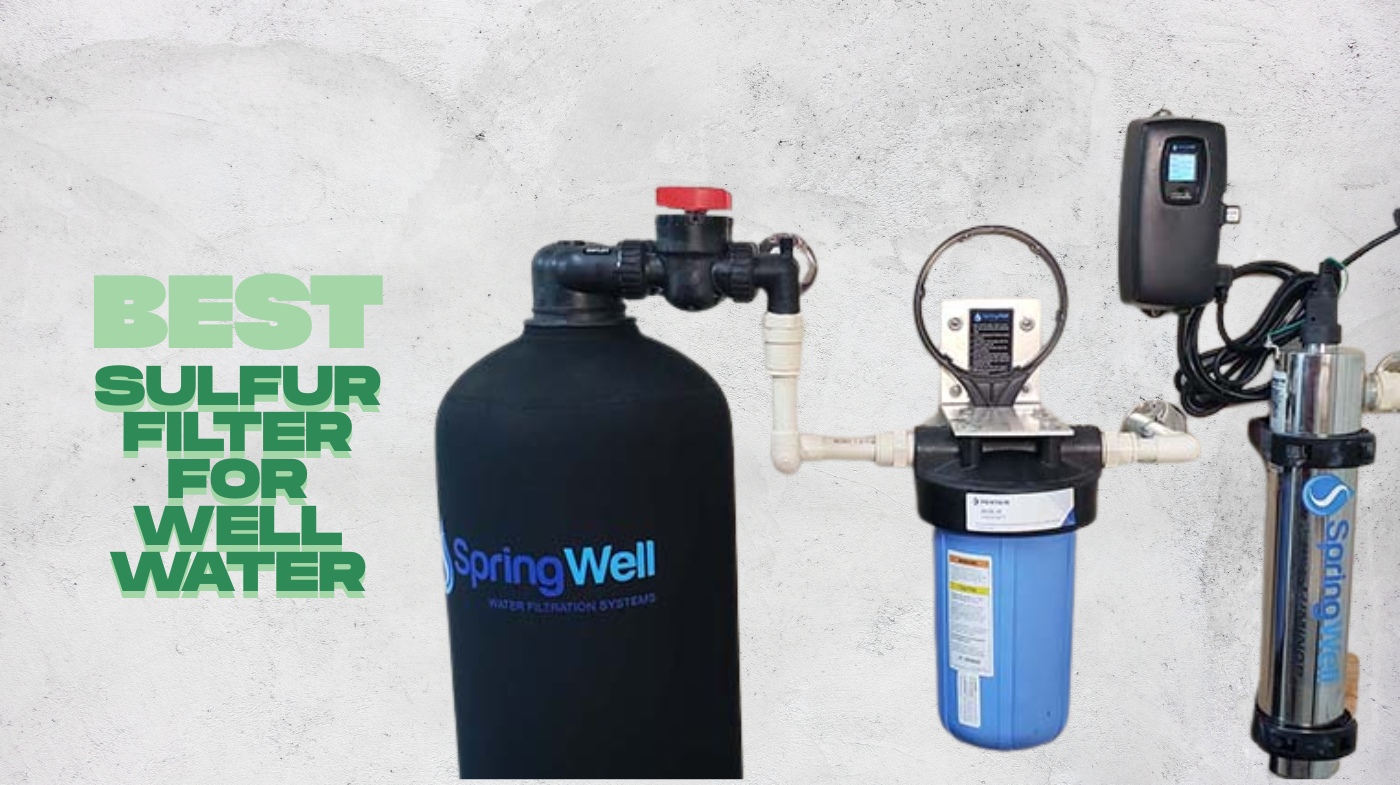 Best Sulfur Filters for Well Water – Odor and Taste Removal – Plumbing Ways
Shock Chlorination: The Deep Clean
When the smell is strong and persistent, you might need to give your well a spa day—or more accurately, a bleach bath. Shock chlorination is exactly what it sounds like: pouring a strong dose of chlorine (like household bleach) directly into your well. This kills the sulfur bacteria that create the gas in the first place.
Think of it as a reset button for your well’s ecosystem. You let that bleach sit for 12 to 24 hours, then flush it out like crazy until the chlorine smell is gone. It’s a bit of a chore—running all your taps and hoses—but it’s like hitting “refresh” on your entire system. Do this once or twice a year, and you’ll keep the gremlins at bay.
The Filtration Finale: Activated Carbon
If the smell returns quickly after shocking, or if you just want a permanent solution, it’s time to bring in the heavy artillery: a whole-house carbon filter. These filters look like big, blue tanks, and inside they contain millions of tiny, porous carbon particles. As water passes through, the carbon traps the sulfur gas and other funky odors.
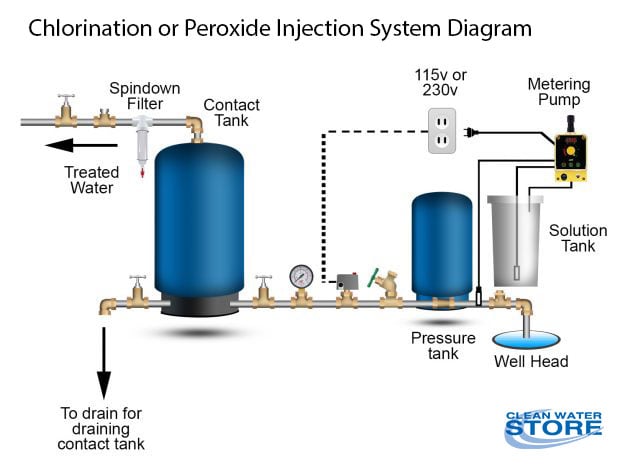 How To Treat Sulfur Odors In Well Water Smells like Rotten Eggs
It’s like running your water through a giant, high-tech Brita pitcher. The carbon eventually gets saturated and needs replacing (every few years), but it’s a set-it-and-forget-it solution. You’ll instantly notice the difference—your water will taste crisp and clean, and your bathroom will stop smelling like a swamp.
When to Call the Pros (and Why It’s Okay)
Look, sometimes you run into a situation that feels like a chemistry puzzle from Mars. If you have iron bacteria turning your water red or a sulfur smell so strong it peels paint, you might need a pro. A water treatment specialist can test your water and recommend a system that injects air, chlorine, or even ozone directly into the line.
Don’t feel bad about calling for backup. Even explorers need a map sometimes. The cost is usually worth the peace of mind—and the sweet, sweet smell of nothing.
At the end of the day, getting sulfur out of your well water is totally doable. It’s just a matter of matching the fix to the stink. So go ahead, give your well a little attention. It might be grumpy now, but with a bit of understanding (and maybe a carbon filter), your tap water will go from smelling like a dragon’s breakfast to tasting like a mountain spring. And isn’t that a cool upgrade?
